5 Yoga Asanas That Can Help You Stay Healthy
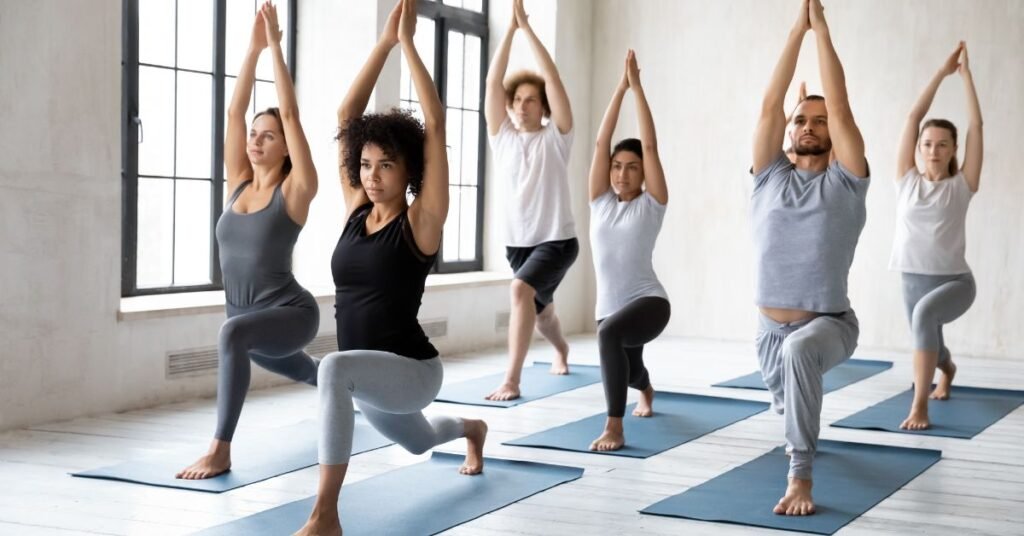
5 Yoga Asanas That Can Help You Stay Healthy In today’s fast paced world, maintaining good health is more important than ever. Amidst our busy schedules and constant hustles, yoga emerges as a sanctuary of wellbeing, offering a holistic approach to health that balances the body, mind, and spirit. This ancient practice, rooted in centuries of tradition, is celebrated for its ability to improve physical health, mental clarity, and emotional stability. Here Are 5 Powerful Yoga Asanas That Can Help You Stay Healthy Tadasana (Mountain Pose) Tadasana, or Mountain Pose, is often considered the foundation of all standing poses. Benefits: Improves Posture: By aligning the spine and engaging the core, Tadasana helps to improve overall posture and reduces the risk of back pain. Enhances Balance and Stability: This pose strengthens the legs and feet, promoting better balance and stability. Boosts Circulation: Standing tall and stretching upwards encourages blood flow throughout the body, aiding in circulation. Increases Awareness: Tadasana fosters a sense of mindfulness and body awareness, grounding you in the present moment. How to Perform Tadasana Stand with your feet together, ensuring that your weight is evenly distributed across both feet. Engage your thigh muscles and lift your kneecaps without hardening your lower belly. Lengthen your tailbone toward the floor and lift your pubis towards your navel. Lift your chest and broaden your collarbones. Allow your arms to hang naturally at your sides, with your palms facing forward. Keep your head in line with your spine, gazing straight ahead. Hold the pose for 30 seconds to 1 minute, breathing deeply. Adho Mukha Svanasana (DownwardFacing Dog) Adho Mukha Svanasana, or DownwardFacing Dog, is one of the most widely recognized yoga poses, known for its multitude of health benefits: Stretches and Strengthens: This pose stretches the shoulders, hamstrings, calves, arches, and hands while strengthening the arms, legs, and back. Relieves Stress: By promoting blood flow to the brain, DownwardFacing Dog helps to calm the mind and alleviate stress. Improves Digestion: The inversion aspect of this pose stimulates the digestive organs, aiding in digestion. Reduces Back Pain: By elongating the spine and relieving tension, this pose can help to reduce back pain and improve overall spinal health. How to Perform Adho Mukha Svanasana Start on your hands and knees, with your wrists directly under your shoulders and your knees under your hips. Spread your fingers wide and press firmly into your palms. Tuck your toes and lift your knees off the floor, extending your hips towards the ceiling. Straighten your legs as much as possible, bringing your heels towards the floor. Keep your head between your upper arms, without letting it hang. Hold the pose for 1 to 3 minutes, breathing deeply. Virabhadrasana II (Warrior II Pose) Virabhadrasana II, or Warrior II Pose, is a powerful standing pose that offers numerous physical and mental benefits: Strengthens Legs and Arms: This pose builds strength in the legs, ankles, and arms. Opens the Hips: Warrior II helps to open the hips, groins, and chest, improving flexibility and mobility. Improves Focus and Stamina: Holding this pose requires concentration and stamina, enhancing mental focus and endurance. Enhances Circulation: The strong, extended stance promotes blood flow throughout the body. How to Perform Virabhadrasana II Begin in Tadasana (Mountain Pose). Step your feet about 4 feet apart. Turn your right foot out 90 degrees and your left foot slightly in. Align your right heel with the arch of your left foot. Raise your arms parallel to the floor, with your palms facing down. Bend your right knee over your right ankle, ensuring your shin is perpendicular to the floor. Extend your arms out to the sides, keeping your shoulders relaxed. Gaze over your right hand. Hold the pose for 30 seconds to 1 minute, then switch sides. Bhujangasana (Cobra Pose) Bhujangasana, or Cobra Pose, is a rejuvenating backbend that provides numerous benefits for overall health and wellbeing: Strengthens the Spine: This pose strengthens the muscles of the spine, buttocks, and arms. Stretches the Chest and Lungs: Cobra Pose opens up the chest, improving lung capacity and respiratory function. Stimulates Abdominal Organs: By compressing the abdomen, this pose stimulates digestive organs, aiding in digestion. Relieves Stress and Fatigue: The gentle backbend helps to alleviate stress and fatigue, promoting a sense of relaxation and wellbeing. How to Perform Bhujangasana Lie face down on the floor, with your legs extended behind you and the tops of your feet resting on the floor. Place your hands under your shoulders, keeping your elbows close to your body. Press into your hands and slowly lift your chest off the floor, extending through your spine. Keep your elbows slightly bent and your shoulders relaxed. Hold the pose for 15 to 30 seconds, breathing deeply. Lower your chest back to the floor on an exhale. Savasana (Corpse Pose) Savasana, or Corpse Pose, is often considered the most important pose in yoga, despite its seemingly simple appearance. This pose offers profound benefits for both the body and mind: Promotes Deep Relaxation: Savasana allows the body to rest deeply, promoting relaxation and stress relief. Enhances Mental Clarity: By calming the mind, this pose enhances mental clarity and focus. Reduces Fatigue: The restorative nature of Savasana helps to reduce fatigue and replenish energy levels. Improves Overall Wellbeing: Regular practice of Savasana can lead to improved mood, reduced anxiety, and a greater sense of wellbeing. How to Perform Savasana Lie flat on your back with your legs extended and your arms at your sides, palms facing up. Allow your feet to fall open naturally. Close your eyes and take slow, deep breaths. Release any tension in your body, allowing it to sink into the floor. Stay in the pose for 5 to 15 minutes, focusing on your breath and letting go of any thoughts or distractions. To come out of the pose, slowly deepen your breath and begin to wiggle your fingers and toes. Roll onto your right side for a few moments before gently coming up to a seated
Yoga for Men: 5 Yoga Asanas for Flexibility and Strength
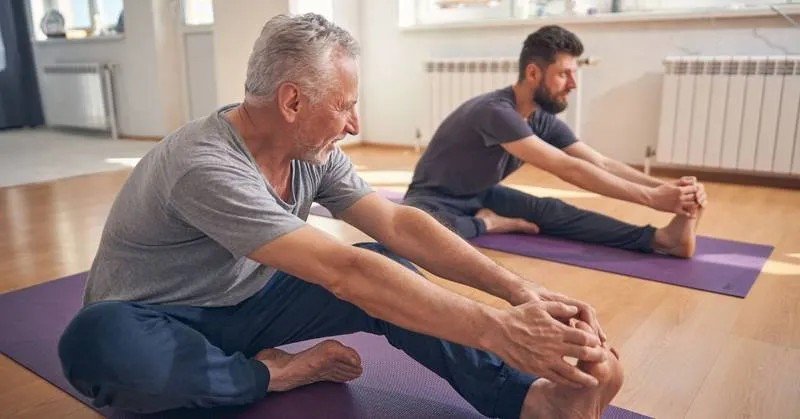
Yoga for Men: 5 Yoga Asanas for Flexibility and Strength In today’s busy world, men often face physical and mental stress. Yoga offers a holistic approach to improve flexibility, strength, and mental clarity. Although traditionally linked with women, yoga benefits men immensely by enhancing muscle tone, posture, and overall fitness. Yoga asanas specifically designed for men to boost flexibility and strength. Whether you’re an athlete or a beginner, these poses will help you tap into yoga’s transformative power. Here Are 5 Yoga Asanas for Men to Improve Flexibility and Strength Downward-Facing Dog (Adho Mukha Svanasana) Downward-Facing Dog is a cornerstone yoga pose that offers a full-body stretch and strengthens various muscle groups. This pose stretches the hamstrings, calves, and shoulders while strengthening the arms and legs. It also improves circulation and energizes the body. How to Perform Start on your hands and knees. Align your wrists under your shoulders and your knees under your hips. Spread your fingers wide and press firmly into your mat. Lift your knees off the ground and straighten your legs as much as you can without locking them. Push your hips up and back, forming an inverted V shape. Hold the position for 5-10 breaths, then release. Read More : Top 10 Benefits Of Yoga For Mens Health And Wellness Warrior II (Virabhadrasana II) Warrior II is excellent for building lower body strength and improving balance. This asana strengthens the legs, hips, and core while stretching the hips and shoulders. It’s an empowering pose that boosts stamina and endurance. How to Perform Stand with your feet wide apart. Turn your right foot out 90 degrees and your left foot slightly in. Raise your arms parallel to the ground, palms facing down. Bend your right knee over your right ankle, keeping your left leg straight. Gaze over your right hand and hold the pose for 5-10 breaths. Repeat on the other side. Triangle Pose (Trikonasana) Triangle Pose is excellent for stretching and strengthening the legs, hips, and spine. It also improves balance and stability while increasing flexibility in the waist and hips. Triangle Pose stimulates abdominal organs, aiding digestion, and can relieve stress. How to Perform Stand with your feet wide apart, about 3-4 feet. Turn your right foot out 90 degrees so your toes point to the top of the mat; the left foot slightly in. Extend your arms parallel to the floor, palms facing down, shoulders relaxed. Shift your hips to the left as you reach your right arm forward, tilting your torso sideways over your right leg. Lower your right hand to your shin, ankle, or the floor outside your right foot. Extend your left arm directly upwards, fingers pointing towards the ceiling. Turn your head to gaze at your left thumb. Hold for 5-10 breaths, then return to standing. Repeat on the other side. Boat Pose (Navasana) Boat Pose is crucial for core strength and balance. It also stimulates the kidneys, thyroid, and prostate glands, which can enhance arousal. This pose strengthens the core muscles, hip flexors, and spine. It also improves balance and concentration, which can enhance overall vitality and energy. How to Perform Sit on the floor with your legs extended in front of you. Lean back slightly, keeping your spine straight. Lift your legs off the ground, forming a V shape with your body. Extend your arms parallel to the ground. Hold the pose for 5-10 breaths, then release. Cobra Pose (Bhujangasana) Cobra Pose is excellent for enhancing flexibility in the spine and strengthening the back. It also stimulates the reproductive organs and increases blood flow, enhancing arousal. Cobra Pose stretches the chest, shoulders, and abdomen while strengthening the spine and glutes. It also stimulates the digestive and reproductive systems. How to Perform Lie on your stomach with your legs extended and the tops of your feet resting on the ground. Place your hands under your shoulders, elbows close to your body. Press into your hands as you lift your chest off the ground, keeping your elbows slightly bent. Hold the pose for 5-10 breaths, then slowly lower down. In conclusion, Yoga is a powerful practice that offers numerous benefits for men, from enhancing flexibility and strength to boosting arousal and overall well-being. Incorporating these asanas into your routine can help you achieve a balanced, strong, and flexible body So, roll out your mat and start experiencing the transformative power of yoga today. Want to learn Yoga? Join us at Body and Mind Yoga Center for an enriching experience that harmonizes body and mind. Your path to wellness begins here. We provide the best yoga classes for men in Dubai with a variety of lessons suited to fit your needs and preferences. Share this post : Previous PostNext Post More than 2 results are available in the PRO version (This notice is only visible to admin users) Most Recent Posts All Posts Yoga Yoga For Kids Yoga For Womens Yoga for Men: 5 Yoga Asanas for Flexibility and Strength Top 10 Benefits of Yoga for Womens 5 Effective Yoga Poses for Pregnant Women Category Have Question Looking for the best yoga classes in Dubai? Visit our state-of-the-art yoga studio and center in Dubai for a rejuvenating and transformative experience. Call Us Now
Top 10 Benefits of Yoga for Womens
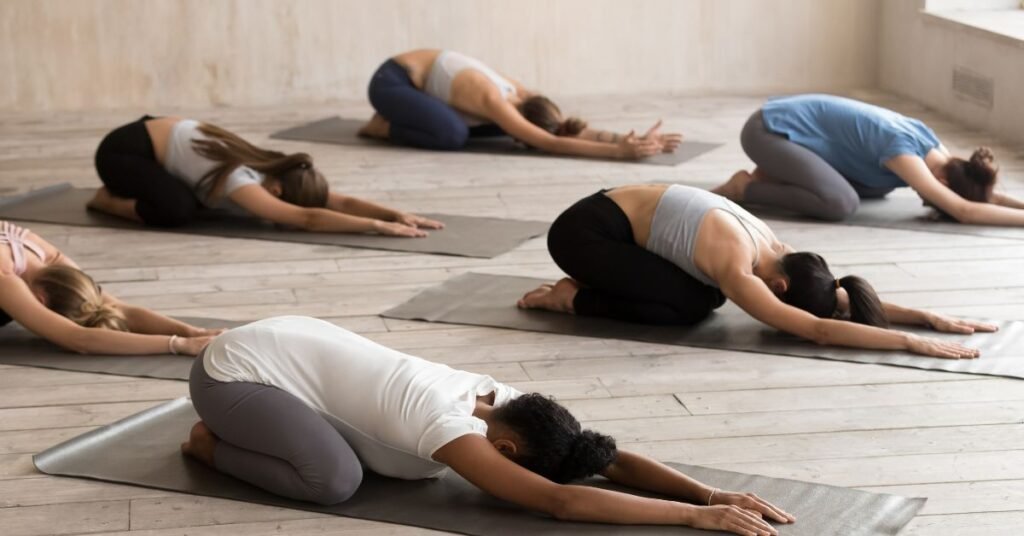
Top 10 Benefits of Yoga for Womens Yoga, an ancient practice that originated in India, has gained widespread popularity globally, especially among women. Its holistic approach to wellness encompasses physical, mental, and emotional well-being. With a focus on achieving balance and harmony, yoga offers numerous benefits tailored to address the unique health concerns of women. Let’s explore ten exceptional advantages that yoga can bring to women’s lives. Benefits Of Yoga For Womens Stress Reduction and Mental Well-being In today’s fast-paced world, stress and anxiety have become commonplace. Yoga serves as a powerful tool in combating these issues. Through a combination of mindful breathing and various asanas, yoga helps reduce stress levels and promotes mental well-being. Its emphasis on mindfulness and meditation techniques enables practitioners to achieve a heightened sense of relaxation and mental clarity. Improved Flexibility and Posture One of the key physical benefits of practicing yoga is improved flexibility and posture. Regular practice of yoga asanas helps in enhancing joint mobility and muscle flexibility. Additionally, it aids in correcting poor posture and alignment issues that may arise due to long hours of sitting or sedentary lifestyles. Over time, the practice of yoga can significantly improve spine health and contribute to overall body flexibility. Enhanced Strength and Muscle Tone Contrary to the misconception that yoga is solely focused on flexibility, it is also an effective way to build strength and muscle tone. By using one’s body weight as resistance, yoga poses help in developing lean muscle mass without adding bulk. Moreover, specific asanas are designed to target core strength, contributing to a toned physique and improved overall muscle strength. Hormonal Balance and Menstrual Health For women dealing with hormonal imbalances and menstrual discomfort, yoga offers a natural and holistic approach to finding relief. Certain yoga poses are known to help regulate hormonal imbalances, promoting a healthier menstrual cycle. Additionally, practicing yoga during menstruation can help alleviate cramps and discomfort, providing women with a natural way to manage menstrual health. Improved Digestion and Detoxification Yoga is beneficial for digestive health as well. By incorporating specific asanas that stimulate the digestive system, it aids in promoting better digestion and alleviating issues such as bloating and constipation. Furthermore, the practice of yoga contributes to the detoxification process, assisting the body in eliminating harmful toxins and waste, thereby promoting overall well-being. Enhanced Circulation and Cardiovascular Health Regular yoga practice has been shown to improve blood circulation and enhance oxygenation throughout the body. Through various poses and breathing techniques, yoga can help reduce blood pressure and heart rate, leading to improved cardiovascular health. As a result, the risk of developing cardiovascular diseases decreases, contributing to better overall heart health. Weight Management and Metabolism Boost For women looking to maintain a healthy weight, yoga can be an excellent addition to their fitness routine. The dynamic nature of certain yoga sessions helps regulate metabolism and aids in efficient calorie burning. In addition to physical benefits, yoga also promotes mindful eating habits and encourages a healthy lifestyle, which further contributes to effective weight management. Relief from Menopausal Symptoms Menopause is a significant phase in a woman’s life that brings various physical and emotional challenges. Yoga can play a pivotal role in providing relief from menopausal symptoms, such as hot flashes and mood swings. It promotes emotional well-being and stability during this transitional phase, while also aiding in managing insomnia and improving sleep quality. Reduce Symptoms of Premenstrual Syndrome Yoga has been found to be a valuable natural remedy in alleviating the symptoms of Premenstrual Syndrome (PMS). Through gentle and targeted yoga poses, women can experience relief from common PMS symptoms such as bloating, mood swings, and fatigue. The practice promotes relaxation and stress reduction, which can contribute to hormonal balance and overall well-being during the menstrual cycle. Incorporating yoga into a regular wellness routine may significantly improve the quality of life for women dealing with PMS. Community and Emotional Support Beyond the physical benefits, yoga fosters a sense of community and emotional support among its practitioners. Yoga classes provide a nurturing environment where women can connect with like-minded individuals, fostering a sense of belonging and support. The practice of yoga in a group setting promotes emotional well-being, empathy, and a stronger social network. In conclusion, the multifaceted benefits of yoga for women are extensive, encompassing physical fitness, mental clarity, emotional stability, and a supportive community. By incorporating yoga into their daily routines, women can experience a holistic transformation in their overall well-being. From stress reduction and improved flexibility to hormonal balance and emotional support, yoga offers a comprehensive approach to achieving and maintaining a healthy and balanced lifestyle. Embrace the power of yoga and embark on a journey to a healthier, happier you. Discover the enriching experience at yoga classes for women in Dubai, where you can embark on a transformative path to wellness and self-discovery. Share this post : Previous PostNext Post More than 2 results are available in the PRO version (This notice is only visible to admin users) Most Recent Posts All Posts Yoga Yoga For Kids Yoga For Womens Top 10 Benefits of Yoga for Womens 5 Effective Yoga Poses for Pregnant Women Top 5 Postnatal Yoga Poses for C-Section Recovery Category Have Question Looking for the best yoga classes in Dubai? Visit our state-of-the-art yoga studio and center in Dubai for a rejuvenating and transformative experience. Call Us Now
Top 5 Postnatal Yoga Poses for C-Section Recovery
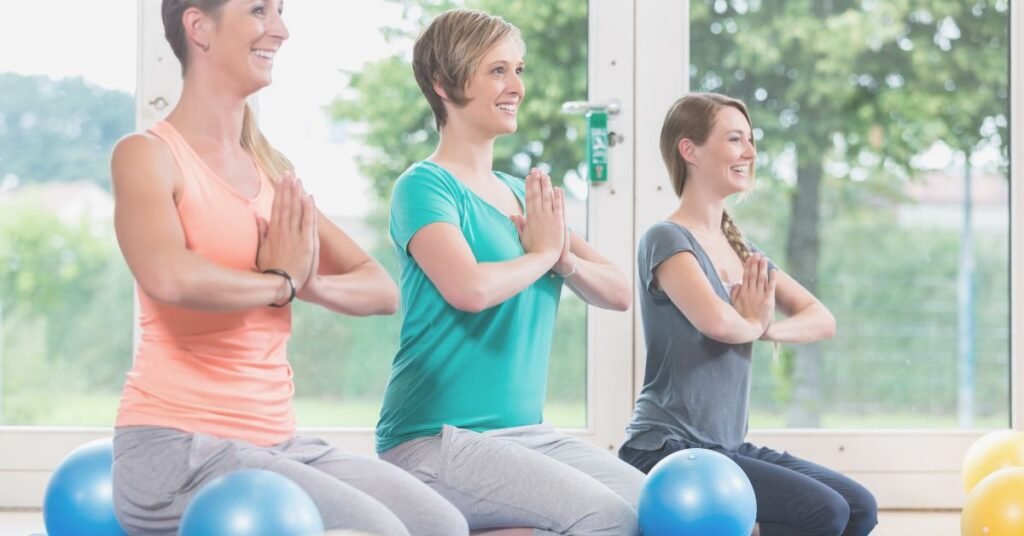
Recovering from a C-section can be tough, but incorporating gentle yoga into your postnatal routine can make a big difference. Yoga helps rebuild strength, increase flexibility, and boost overall well-being. By practicing specific postnatal yoga poses, you can speed up the healing process, reduce discomfort, and improve your mental health. Here are the 5 Postnatal Yoga Poses for C-section Recovery Butterfly Pose (Baddha Konasana) Butterfly Pose (Baddha Konasana) is a seated yoga pose that gently opens the hips and groin while stretching the inner thighs. It promotes relaxation and improves flexibility in the lower body. This pose is particularly beneficial for alleviating tension and enhancing circulation in the pelvic area. How to do it: Sit on the floor with your legs extended. Bend your knees and bring the soles of your feet together, allowing your knees to fall out to the sides. Hold your feet or ankles and sit up tall, lengthening your spine. If comfortable, hinge at your hips to fold forward slightly, keeping your back straight. Hold for a few breaths. Cat-Cow Pose (Marjaryasana-Bitilasana) Cat-Cow Pose (Marjaryasana-Bitilasana) is a gentle, flowing sequence that alternates between arcing and rounding the spine. This movement helps to increase flexibility, relieve tension in the back, and warm up the body. It’s an excellent way to synchronize breath with motion and enhance spinal mobility. How to do it: Start on your hands and knees in a tabletop position, with wrists under shoulders and knees under hips. Inhale, arch your back and lift your head and tailbone towards the ceiling (Cow Pose). Exhale, round your spine, tucking your chin to your chest and drawing your belly to your spine (Cat Pose). Flow between these two poses for 1-2 minutes, synchronizing your breath with the movements. Bridge Pose (Setu Bandhasana) Bridge Pose (Setu Bandhasana) is a backbend that strengthens the back, glutes, and hamstrings while opening the chest and shoulders. This pose helps to improve spinal flexibility and can alleviate back pain. It also promotes relaxation and stimulates the lungs and thyroid gland. How to do it: Lie on your back with your knees bent and feet flat on the floor, hip-width apart. Place your arms by your sides with palms down. Press your feet and arms into the floor as you lift your hips towards the ceiling. Roll your shoulders underneath your body and clasp your hands together if comfortable. Hold the pose for a few breaths, then slowly lower your hips back to the floor. Seated Forward Bend (Paschimottanasana) Seated Forward Bend (Paschimottanasana) is a calming pose that stretches the spine, hamstrings, and shoulders. This pose helps improve digestion and flexibility while promoting relaxation. It’s an effective way to relieve stress and reduce fatigue. How to do it: Sit on the floor with your legs extended straight in front of you. Inhale and lengthen your spine, reaching your arms overhead. Exhale and hinge at your hips to fold forward, reaching for your feet, shins, or ankles. Keep your spine long and avoid rounding your back. Hold for 1-2 minutes, breathing deeply. Child’s Pose (Balasana) Child’s Pose (Balasana) is a restful pose that gently stretches the hips, thighs, and ankles while calming the mind. It provides a soothing relief for the back and neck and encourages relaxation. This pose is often used as a resting position between more challenging poses. How to do it: Start on your hands and knees in a tabletop position. Bring your big toes together and widen your knees apart. Sit back on your heels and extend your arms forward, lowering your torso between your thighs. Rest your forehead on the mat and breathe deeply, holding the pose for 1-3 minutes. Tips for Practicing Postnatal Yoga Listen to Your Body: Pay attention to how your body feels and avoid pushing yourself too hard, especially around the incision area. Modify as Needed: Use props like pillows or blankets to support your body and make the poses more comfortable. Breathe Deeply: Focus on deep, diaphragmatic breathing to promote relaxation and aid in healing. Consult Your Doctor: Before starting any postnatal exercise routine, consult your healthcare provider to ensure it’s safe for you. In conclusion, incorporating postnatal yoga into your recovery routine after a C-section can significantly aid in healing and overall well-being. The suggested poses target key areas to enhance flexibility, reduce tension, and promote relaxation. Always listen to your body, modify poses as needed, and consult your healthcare provider before starting. With mindful practice, yoga can be a gentle yet effective tool for your postpartum recovery journey. Embrace these yoga poses regularly to foster a harmonious blend of strength, flexibility, and tranquility in your wellness routine. Want to learn Yoga? Visit Body and Mind Yoga Center, we provide the best yoga classes for women in Dubai with a variety of lessons suited to fit your needs and preferences.
5 Essential Yoga Stretches for Working Professionals
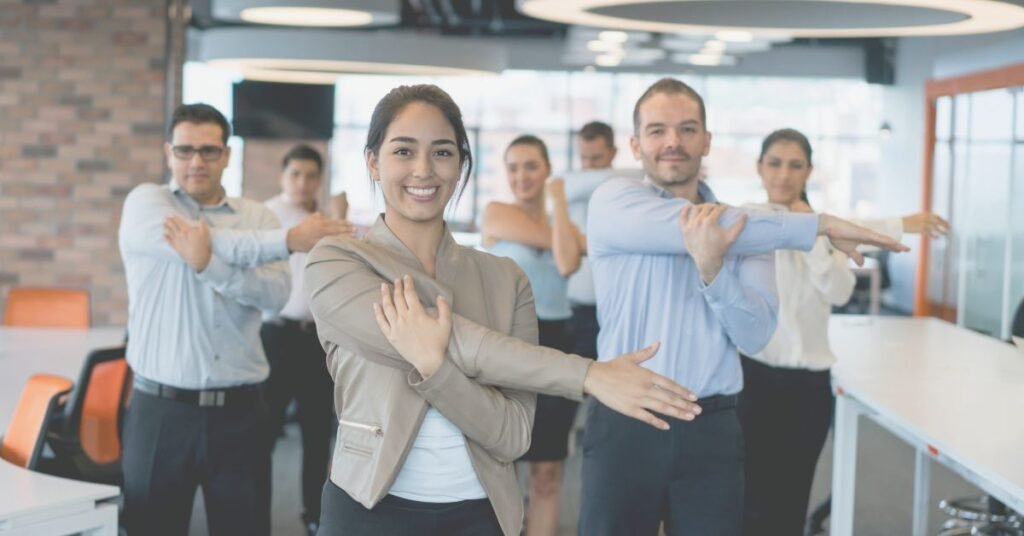
5 Essential Yoga Stretches for Working Professionals In today’s fast paced world, working professionals often spend long hours sitting at desks, staring at computer screens, and dealing with high levels of stress. This sedentary lifestyle can lead to various physical and mental health issues, such as back pain, neck stiffness, and anxiety. Incorporating yoga stretches into your daily routine can be a simple yet effective way to alleviate these problems. Here Are 5 Yoga Stretches for Working Professional Palms Interlaced Overhead Ideal for working professionals, this pose stretches the shoulders and chest, counteracting hunching over desks. It enhances posture and reduces stress from prolonged sitting. How to Do It: Sit or stand comfortably with your back straight. Interlace your fingers and turn your palms to face upward. Extend your arms overhead, reaching towards the ceiling. Keep your shoulders relaxed and avoid hunching them up towards your ears. Hold the stretch for 1530 seconds, breathing deeply. Benefits: Stretches the shoulders, arms, and chest. Improves posture. Increases flexibility in the upper body. Seated Twist This pose offers a gentle spinal twist, perfect for desk-bound workers. It improves digestion, enhances spinal mobility, and alleviates lower back stiffness caused by extended periods of sitting. How to Do It: Sit on the floor with your legs extended in front of you. Bend your right knee and place your right foot on the outside of your left thigh. Place your left elbow on the outside of your right knee and your right hand behind you on the floor. Inhale to lengthen your spine, then exhale and twist to the right, looking over your right shoulder. Hold for 1530 seconds, then switch sides. Benefits: Enhances spinal flexibility. Improves digestion and detoxification. Relieves tension in the lower back. Forward Fold Beneficial for office workers, this pose stretches the hamstrings and lower back, relieving tension from prolonged sitting. It also calms the mind and helps reduce stress. How to Do It: Stand with your feet hipwidth apart. Hinge at the hips and fold your torso over your legs, keeping your back straight as long as possible. Allow your head to hang down and relax your neck. Place your hands on the floor, shins, or ankles, wherever they comfortably reach. Hold for 1530 seconds, breathing deeply. Benefits: Stretches the hamstrings, calves, and lower back. Calms the mind and reduces stress. Improves flexibility in the posterior chain of the body. Neck and Shoulder Stretch Essential for those who work at computers, this stretch targets the neck and shoulders, relieving tension and stiffness. It helps prevent headaches and improves flexibility. How to Do It: Sit or stand with your back straight and shoulders relaxed. Gently tilt your head to the right, bringing your right ear towards your right shoulder. Use your right hand to apply gentle pressure to the left side of your head, deepening the stretch. Hold for 1530 seconds, then repeat on the left side. For a shoulder stretch, interlace your fingers behind your back and gently lift your arms while keeping your back straight. Benefits: Relieves tension and stiffness in the neck and shoulders. Improves flexibility and range of motion. Reduces headaches and neck pain. Wrist Stretches Perfect for those frequently typing or using a mouse, these stretches alleviate tension in the wrists and forearms, preventing repetitive strain injuries like carpal tunnel syndrome. How to Do It: Extend your right arm in front of you with your palm facing up. Use your left hand to gently pull your fingers back towards your body, stretching the underside of your wrist. Hold for 1530 seconds, then switch sides. For the opposite stretch, extend your right arm with your palm facing down and fingers pointing towards the floor. Use your left hand to press gently on the back of your right hand, stretching the top of your wrist. Hold for 1530 seconds, then switch sides. Benefits: Reduces stiffness and tension in the wrists and forearms. Increases flexibility and range of motion. Helps prevent repetitive strain injuries like carpal tunnel syndrome. In conclusion, Incorporating these yoga stretches into your daily routine can transform your workday. By dedicating just a few minutes each day to stretching, you can alleviate common discomforts associated with prolonged sitting and stress, such as back pain, neck stiffness, and wrist strain. Regular practice will enhance your flexibility, posture, and overall stress management, leading to a healthier, more balanced work life. Make yoga a part of your routine for a healthier you! Join us at Body and Mind Yoga Center for an enriching experience that harmonizes body and mind. Your path to wellness begins here. We provide the best Corporate & Office Yoga Classes In Dubai with a variety of lessons suited to fit your needs and preferences. Share this post : Previous PostNext Post More than 2 results are available in the PRO version (This notice is only visible to admin users) Most Recent Posts All Posts Yoga Yoga For Kids Yoga For Womens How Prenatal Yoga Helps Relieve Constipation During Pregnancy? How Yoga Strengthens Pelvic Muscles for Childbirth? 5 Effective Yoga Poses for Pregnant Women Category Have Question Looking for the best yoga classes in Dubai? Visit our state-of-the-art yoga studio and center in Dubai for a rejuvenating and transformative experience. Call Us Now
6 Easy Office Yoga Poses For Corporate Employees

6 Easy Office Yoga Poses For Corporate Employees Working long hours at a desk can often lead to fatigue, stiffness, and a lack of focus. Instead of reaching for another caffeine boost, try incorporating yoga into your workday. Desk yoga poses can help you feel energized, reduce tension, and improve posture—all without leaving your workspace. These simple yoga poses are perfect for corporate employees looking to stay active and refreshed throughout the day. Here Are 6 Easy Office Yoga Poses for Corporate Employees That You Can Do Right at Your Desk Seated Spinal Twist The Seated Spinal Twist, or Ardha Matsyendrasana, is a rejuvenating yoga pose that targets the spine, shoulders, and hips. By gently twisting the spine, it helps to release tension, improve digestion, and increase flexibility. This seated variation is accessible for office settings and provides a moment of relaxation amidst a busy workday. How to Do It: Sit comfortably on the edge of your chair with your feet flat on the floor. Lengthen your spine and place your right hand on the back of the chair. Inhale to elongate your spine, then exhale and twist your torso to the right, placing your left hand on your right knee. With each exhale, deepen the twist gently, ensuring to keep your spine long. Hold the twist for 30 seconds to one minute, then repeat on the other side. Seated Cat-Cow Stretch The Seated Cat-Cow Stretch is a gentle movement that promotes spinal flexibility and relieves tension in the back and neck. By flowing between Cat and Cow poses, you can improve mobility in the spine and create a sense of ease and relaxation. How to Do It: Sit tall in your chair with your feet flat on the floor and hands resting on your knees. Inhale as you arch your back, lifting your chest and tilting your pelvis forward (Cow Pose). Exhale as you round your spine, tucking your chin to your chest and drawing your navel towards your spine (Cat Pose). Continue flowing between Cow and Cat Poses with your breath for several rounds. Take your time with each movement, focusing on the sensation in your spine and allowing any tension to melt away. Chair Forward Fold Chair Forward Fold, a modification of the traditional standing forward bend, offers a soothing stretch for the neck, shoulders, upper back, and hamstrings. This pose helps to release tension accumulated from prolonged sitting and encourages relaxation and rejuvenation. How to Do It: Sit on the edge of your chair with your feet hip-width apart and parallel. Inhale and lengthen your spine, engaging your core. Exhale as you hinge at your hips, folding forward and allowing your torso to rest on your thighs. Let your arms hang freely or hold onto opposite elbows for a deeper stretch. Relax your neck and shoulders, breathing deeply for 30 seconds to one minute. Office Yoga Breathing Exercises Deep belly breathing is a fundamental aspect of yoga that promotes relaxation and stress reduction. In the context of the office, taking a few moments to practice yogic breathing can be transformative. It helps calm the nervous system, lowers stress levels, and enhances overall well-being, making it an accessible and discreet tool for maintaining composure in the workplace. How to Do It: Sit comfortably with your feet flat on the floor and hands resting on your lap. Inhale deeply through your nose, allowing your belly to expand. Exhale slowly through your mouth, contracting your abdominal muscles. Repeat for 3-5 minutes, focusing on the rhythm of your breath. Standing Thigh Stretch The Standing Thigh Stretch targets the quadriceps and hip flexors, which can become tight from prolonged sitting. By stretching these muscles, you can improve flexibility, alleviate discomfort, and promote better posture. How to Do It: Stand tall with your feet hip-width apart and arms at your sides. Shift your weight onto your right foot and bend your left knee, bringing your left heel towards your buttocks. Reach back with your left hand and grasp your left ankle or shin. Keep your knees close together and your torso upright. Hold the stretch for 30 seconds to one minute, then switch sides. Wrist Stretches Wrist stretches are essential for maintaining wrist flexibility and reducing discomfort caused by repetitive motions, such as typing or using a mouse. These stretches help to alleviate tension and promote circulation in the wrists and forearms. How to Do It: Extend your right arm in front of you with your palm facing down. Use your left hand to gently press down on your right fingertips, stretching the wrist. Hold the stretch for a few seconds, then release and repeat on the other side. Next, extend your right arm with your palm facing up. Use your left hand to gently press down on your right fingertips, stretching the wrist in the opposite direction. Hold for a few seconds, then switch sides. Boost Your Energy with Office Yoga Incorporating these easy office yoga poses into your daily routine can make a big difference in how you feel at work. Not only do they help combat stiffness and fatigue, but they also refresh your mind, improve focus, and promote overall well-being. Whether you’re in a corporate office or working remotely, these simple stretches are a game-changer for maintaining energy and productivity throughout your day. At Body and Mind Yoga, we understand the unique challenges corporate employees face and the importance of maintaining physical and mental balance in demanding work environments. Our Corporate Yoga sessions in Dubai are designed to rejuvenate, energize, and foster mindfulness, empowering your team to excel both personally and professionally. Let us help your workplace thrive with wellness— Contact us today to schedule a session and experience the transformative benefits of yoga! Share this post : Previous PostNext Post More than 2 results are available in the PRO version (This notice is only visible to admin users) Most Recent Posts All Posts Yoga Yoga For Kids Yoga For Womens How Prenatal Yoga Helps Relieve
5 Office Yoga Poses to Reduce Stress
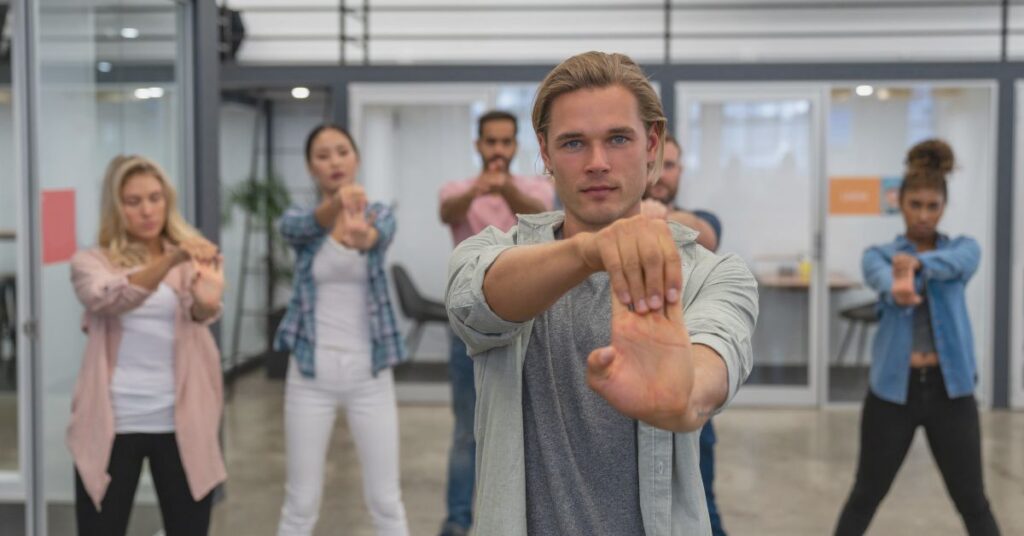
5 Office Yoga Poses to Reduce Stress In today’s fast-paced work environment, stress has become a common companion for many professionals. Long hours sitting at desks, staring at screens, and tight deadlines can take a toll on both physical and mental health. Fortunately, there are simple yet effective ways to alleviate stress and boost productivity right at your desk. One such method is incorporating yoga into your daily routine. Yoga offers a holistic approach to combating stress by combining physical postures, breathing exercises, and mindfulness practices. Even in the confines of an office space, you can harness the power of yoga to relax your mind, stretch your body, and rejuvenate your spirit. Below are five office-friendly yoga poses that you can easily integrate into your workday to reduce stress and enhance your overall well-being. Here are 5 Office Yoga Poses to Reduce Stress Seated Spinal Twist The Seated Spinal Twist, or Ardha Matsyendrasana, is a rejuvenating yoga pose that targets the spine, shoulders, and hips. By gently twisting the spine, it helps to release tension, improve digestion, and increase flexibility. This seated variation is accessible for office settings and provides a moment of relaxation amidst a busy workday. How to Do It: Sit comfortably on the edge of your chair with your feet flat on the floor. Lengthen your spine and place your right hand on the back of the chair. Inhale to elongate your spine, then exhale and twist your torso to the right, placing your left hand on your right knee. With each exhale, deepen the twist gently, ensuring to keep your spine long. Hold the twist for 30 seconds to one minute, then repeat on the other side. Chair Forward Fold Chair Forward Fold, a modification of the traditional standing forward bend, offers a soothing stretch for the neck, shoulders, upper back, and hamstrings. This pose helps to release tension accumulated from prolonged sitting and encourages relaxation and rejuvenation. How to Do It: Sit on the edge of your chair with your feet hip-width apart and parallel. Inhale and lengthen your spine, engaging your core. Exhale as you hinge at your hips, folding forward and allowing your torso to rest on your thighs. Let your arms hang freely or hold onto opposite elbows for a deeper stretch. Relax your neck and shoulders, breathing deeply for 30 seconds to one minute. Wrist Stretches Wrist stretches are essential for maintaining wrist flexibility and reducing discomfort caused by repetitive motions, such as typing or using a mouse. These stretches help to alleviate tension and promote circulation in the wrists and forearms. How to Do It: Extend your right arm in front of you with your palm facing down. Use your left hand to gently press down on your right fingertips, stretching the wrist. Hold the stretch for a few seconds, then release and repeat on the other side. Next, extend your right arm with your palm facing up. Use your left hand to gently press down on your right fingertips, stretching the wrist in the opposite direction. Hold for a few seconds, then switch sides. Seated Cat-Cow Stretch The Seated Cat-Cow Stretch is a gentle movement that promotes spinal flexibility and relieves tension in the back and neck. By flowing between Cat and Cow poses, you can improve mobility in the spine and create a sense of ease and relaxation. How to Do It: Sit tall in your chair with your feet flat on the floor and hands resting on your knees. Inhale as you arch your back, lifting your chest and tilting your pelvis forward (Cow Pose). Exhale as you round your spine, tucking your chin to your chest and drawing your navel towards your spine (Cat Pose). Continue flowing between Cow and Cat Poses with your breath for several rounds. Take your time with each movement, focusing on the sensation in your spine and allowing any tension to melt away. Standing Thigh Stretch The Standing Thigh Stretch targets the quadriceps and hip flexors, which can become tight from prolonged sitting. By stretching these muscles, you can improve flexibility, alleviate discomfort, and promote better posture. How to Do It: Stand tall with your feet hip-width apart and arms at your sides. Shift your weight onto your right foot and bend your left knee, bringing your left heel towards your buttocks. Reach back with your left hand and grasp your left ankle or shin. Keep your knees close together and your torso upright. Hold the stretch for 30 seconds to one minute, then switch sides. Conclusion Incorporating these yoga poses into your daily routine can provide a much-needed break from the demands of office work, allowing you to reduce stress, improve flexibility, and promote overall well-being. Whether you have a few minutes between meetings or need a quick pick-me-up during a busy day, these accessible stretches can help you feel more grounded, relaxed, and focused. Join us at Body and Mind Yoga Center for an enriching experience that harmonizes body and mind. Your path to wellness begins here. We provide the best Corporate & Office Yoga Classes In Dubai with a variety of lessons suited to fit your needs and preferences. Share this post : Previous PostNext Post More than 2 results are available in the PRO version (This notice is only visible to admin users) Most Recent Posts All Posts Yoga Yoga For Kids Yoga For Womens How Prenatal Yoga Helps Relieve Constipation During Pregnancy? How Yoga Strengthens Pelvic Muscles for Childbirth? 5 Effective Yoga Poses for Pregnant Women Category Have Question Looking for the best yoga classes in Dubai? Visit our state-of-the-art yoga studio and center in Dubai for a rejuvenating and transformative experience. Call Us Now
5 Advanced Yoga Poses to Challenge Your Practice
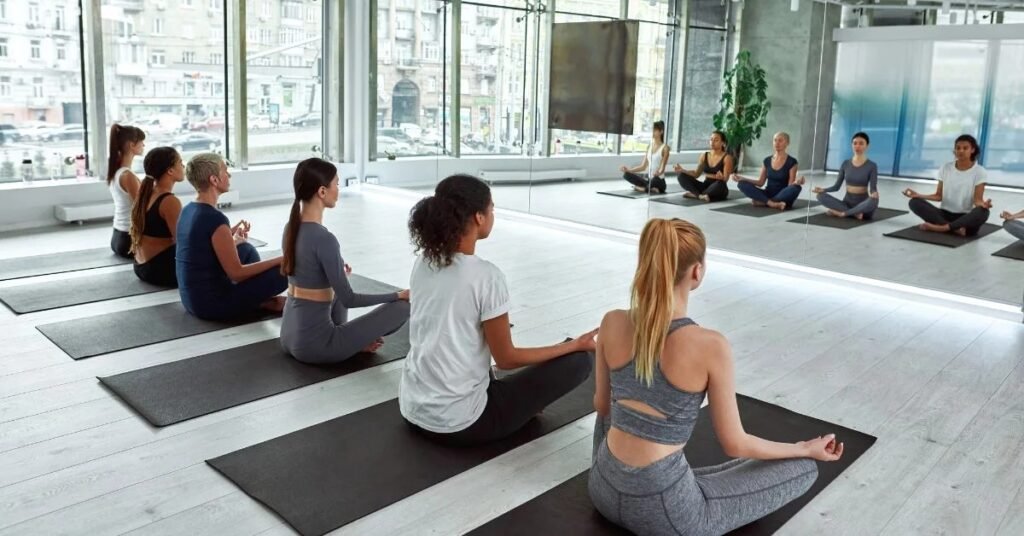
5 Advanced Yoga Poses to Challenge Your Practice Yoga is a holistic discipline that combines physical postures, breathing exercises, and meditation. As practitioners progress, they often seek to challenge themselves with more advanced poses that require greater strength, flexibility, and concentration. In this blog, we will explore advanced yoga asanas that not only push your physical limits but also enhance your mental focus and spiritual growth. Here Are Best 5 Must-do Advanced Yoga Poses Crow Pose (Bakasana) Bakasana, or Crow Pose, is a foundational arm balance that teaches you to find your center of gravity and build confidence in your arm strength. How to Practice: 1.Start in a squat position with your feet a few inches apart. 2.Place your palms flat on the mat shoulder width apart, with your fingers spread wide. 3.Lean forward to place your knees as high up onto your triceps as possible. 4.Shift your weight forward, lifting your feet off the ground one at a time. 5.Engage your core and find your balance, focusing your gaze forward. Benefits: 1.Strengthens the arms and wrists 2.Improves balance and core strength 3.Increases concentration and mental focus Read More : 5 Simple Yoga Poses For Beginners To Do Every Day Lotus Pose (Padmasana) Padmasana, or Lotus Pose, is a classic seated posture known for its benefits in meditation and breathing practices. How to Practice: 1.Sit on the floor with your legs straight out in front. 2.Bend your right knee and place your right foot on your left thigh as high as possible. 3.Repeat with your left leg. 4.Ensure that the soles of your feet face upward, and your heels are close to your abdomen. 5.Place your hands on your knees in a mudra of your choice and sit erect. Benefits: 1.Calms the mind and prepares for deep meditation 2.Stretches the ankles and knees 3.Improves digestion Handstand Pose (Adho Mukha Vrksasana) Adho Mukha Vrksasana, or Handstand, is an exhilarating pose that involves balancing on your hands with your body upright and legs extended towards the sky. How to Practice: 1.Start in Downward Facing Dog. 2.Walk your feet closer to your hands, bringing your shoulders over your wrists. 3.Lift one leg up high, then use your other leg to gently hop up. 4.Engage your core, squeeze your legs together, and point your toes. 5.Find your balance and breathe steadily. Benefits: 1.Strengthens the shoulders, arms, and wrists 2.Improves balance and spatial awareness 3.Energizes the body and increases focus Monkey Pose (Hanumanasana) Hanumanasana, or Monkey Pose, is named after the deity Hanuman and mimics his legendary leap. It is a powerful split that tests the limits of your flexibility. How to Practice: 1.Start in a kneeling position. 2.Extend one leg forward and slowly slide it straight along the floor. 3.Extend the opposite leg backward, keeping it straight and the thigh facing down. 4.Lower your hips towards the floor, keeping your back straight. 5.Place your hands on the ground for balance or raise them overhead to deepen the pose. Benefits: 1.Stretches the hamstrings and groin 2.Enhances flexibility in the hip flexors and legs 3.Calms the mind and soothes the nervous system Scorpion Handstand (Vrschikasana B) Vrschikasana B takes the Handstand further into a backbend, resembling a scorpion’s tail. This pose is one of the most visually striking and physically demanding yoga asanas. How to Practice: 1.Start in a Handstand against a wall for support. 2.Bend your knees and arch your back, aiming to bring your feet towards your head. 3.Push your chest forward and keep your arms strong. 4.Focus on maintaining balance and stability. Benefits: 1.Strengthens the spine and shoulders 2.Improves balance and flexibility 3.Invigorates the mind and increases mental focus In conclusion , these advanced poses are milestones in the journey of yoga practice. They require patience, persistence, and often, guidance from experienced instructors. Remember, the goal of yoga is not just to achieve physical postures but to unify the body, mind, and spirit. As you work on these advanced poses, pay attention to what your body and mind are telling you, and enjoy the profound journey of self discovery and improvement that yoga offers. Join us at Body and Mind Yoga Center for an enriching experience that harmonizes body and mind. Your path to wellness begins here. We provide the best Yoga Classes In Dubai with a variety of lessons suited to fit your needs and preferences. Share this post : Previous PostNext Post More than 2 results are available in the PRO version (This notice is only visible to admin users) Most Recent Posts All Posts Yoga Yoga For Kids Yoga For Womens 5 Advanced Yoga Poses to Challenge Your Practice 5 Yoga Poses to Do Every Day for Better Sleep 5 Yoga Asanas to Boost Immunity Category Have Question Looking for the best yoga classes in Dubai? Visit our state-of-the-art yoga studio and center in Dubai for a rejuvenating and transformative experience. Call Us Now
5 Yoga Poses for Menstrual Cramps
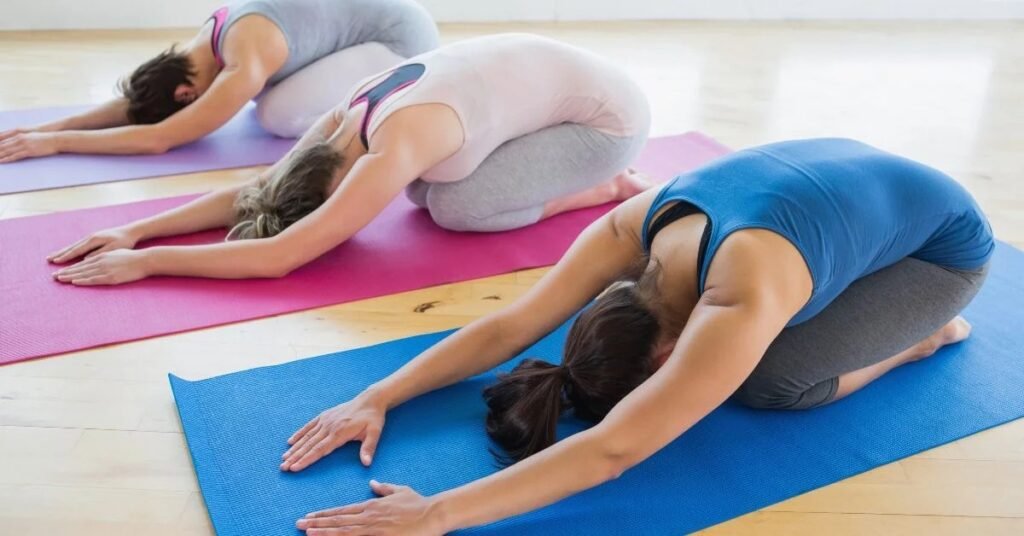
5 Yoga Poses for Menstrual Cramps Menstrual cramps are a common discomfort experienced by many women during their monthly cycle. These cramps can range from mild to severe and often disrupt daily activities. While over-the-counter medications can provide relief, many women seek natural remedies to alleviate menstrual pain. Yoga, with its gentle stretches and calming effects, offers a holistic approach to managing menstrual cramps. Easy Yoga Poses for Menstrual Cramp Relief Child’s Pose (Balasana): Child’s Pose is a restorative yoga pose that gently stretches the lower back, hips, and thighs while promoting relaxation and stress relief. How to Do It: Start by kneeling on the yoga mat with your big toes touching and knees apart. Slowly lower your torso down towards the mat, extending your arms in front of you or placing them alongside your body. Rest your forehead on the mat and focus on deep breathing, allowing your belly to expand with each inhale and contract with each exhale. Hold the pose for 1-3 minutes, gradually releasing any tension in the body. Child’s Pose helps relieve tension in the pelvic area and encourages blood flow to the reproductive organs, providing relief from menstrual cramps. Supine Twist (Supta Matsyendrasana): The Supine Twist is a gentle spinal twist that helps release tension in the back, hips, and abdomen, making it an excellent yoga pose for menstrual cramps. How to Do It: Lie on your back with your knees bent and feet flat on the mat. Extend your arms out to the sides at shoulder height, palms facing down. Exhale as you lower both knees to the left side of your body, keeping your shoulders grounded. Turn your head to the right and gaze towards your right hand. Hold the pose for 1-2 minutes, focusing on deep, rhythmic breathing. Repeat on the opposite side. Supine Twist helps relieve tension in the abdominal muscles and improves digestion, reducing bloating and discomfort associated with menstrual cramps. Cobra Pose (Bhujangasana): Cobra Pose is a gentle backbend that stretches the abdomen, chest, and shoulders while strengthening the spine. This pose can help alleviate menstrual cramps by increasing circulation to the pelvic region. How to Do It: Lie on your stomach with your palms flat on the mat next to your chest. Press into your palms as you lift your chest off the mat, keeping your elbows close to your body. Lengthen through the crown of your head and engage your back muscles. Hold the pose for 15-30 seconds, breathing deeply. Exhale as you release back down to the mat. Cobra Pose not only relieves menstrual cramps but also helps improve posture and alleviate back pain associated with menstruation. Bridge Pose (Setu Bandhasana): Bridge Pose is a gentle inversion that stretches the spine, chest, and neck while strengthening the back, buttocks, and thighs. This pose helps relieve menstrual cramps by increasing blood flow to the pelvic area and reducing stress. How to Do It: Lie on your back with your knees bent and feet hip-width apart, heels close to your buttocks. Press into your feet as you lift your hips towards the ceiling, engaging your glutes and thighs. Interlace your fingers beneath your back and press your arms into the mat for support. Hold the pose for 30 seconds to 1 minute, breathing deeply. Exhale as you slowly lower your hips back down to the mat. Bridge Pose also stimulates the thyroid and abdominal organs, promoting hormonal balance and relieving menstrual discomfort. Legs-Up-the-Wall Pose (Viparita Karani): Legs-Up-the-Wall Pose is a gentle inversion that promotes relaxation and improves circulation throughout the body. This pose can help alleviate menstrual cramps by reducing tension in the pelvic area and calming the nervous system. How to Do It: Sit sideways next to a wall with your hips touching the wall. Lie on your back and swing your legs up against the wall, keeping your buttocks close to the wall. Extend your arms out to the sides with palms facing up, or place your hands on your belly. Close your eyes and focus on deep breathing, allowing your body to relax completely. Hold the pose for 5-10 minutes, letting go of any tension with each exhale. Legs-Up-the-Wall Pose helps reduce inflammation and swelling in the legs and feet, providing relief from menstrual bloating and discomfort. Conclusion: Yoga offers a natural and effective way to manage menstrual cramps while promoting overall health and well-being. By incorporating these five yoga poses into your regular practice, you can find relief from menstrual discomfort and cultivate a deeper connection between mind, body, and spirit. Remember to listen to your body and modify the poses as needed to suit your individual needs and limitations. With consistent practice, you can harness the healing power of yoga to ease menstrual cramps and enhance your quality of life. Embrace these yoga poses regularly to foster a harmonious blend of strength, flexibility, and tranquility in your wellness routine. Want to learn Yoga? Visit Body and Mind Yoga Center, we provide the best yoga classes for women in Dubai with a variety of lessons suited to fit your needs and preferences. Share this post : Previous PostNext Post More than 2 results are available in the PRO version (This notice is only visible to admin users) Most Recent Posts All Posts Yoga Yoga For Kids Yoga For Womens How Prenatal Yoga Helps Relieve Constipation During Pregnancy? How Yoga Strengthens Pelvic Muscles for Childbirth? 5 Effective Yoga Poses for Pregnant Women Category Have Question Looking for the best yoga classes in Dubai? Visit our state-of-the-art yoga studio and center in Dubai for a rejuvenating and transformative experience. Call Us Now
5 Yoga Poses for Pregnancy to Relieve Aches & Pains
Pregnancy is a beautiful and transformative journey, but it’s not without its share of physical discomforts and emotional ups and downs. From backaches and bloating to fatigue, nausea, and mood swings—many women experience a variety of challenges across all three trimesters. The good news? Prenatal yoga offers a safe, natural, and effective way to ease these common discomforts while supporting your overall well-being. When practiced mindfully under expert guidance, yoga can relieve tension, improve flexibility, calm the mind, and prepare the body for labor and delivery. Understanding the Aches and Pains of Pregnancy Pregnancy is a time of incredible transformation, and with it comes a host of physical changes that can often lead to discomfort. As your baby grows, your body adapts to support the extra weight and shifting balance. One of the most common sources of discomfort is back pain, caused by the shift in your center of gravity and the added strain on your lower back and surrounding muscles. Additionally, many women experience pelvic pain, shoulder and neck tension, and swollen ankles as pregnancy progresses. These symptoms are often intensified by hormonal changes that soften the ligaments and joints to prepare for childbirth. While these changes are completely natural, they can lead to instability and aches in various parts of the body, making everyday tasks more challenging. Recognizing these discomforts as a normal part of pregnancy is the first step toward managing them effectively. And that’s where prenatal yoga becomes an essential tool for relief and balance. Read More: 5 Safe Yoga Poses For Pregnant Women To Stay Strong And Relaxed Here are 5 Yoga Poses for Pregnancy to Relieve Aches & Pains Cat-Cow Pose (Marjaryasana/Bitilasana) This gentle, flowing movement between arching and rounding the spine helps relieve back pain, reduce tension in the spine and shoulders, and improve posture and breathing—making it especially helpful as the belly grows. How to Do It: Start on your hands and knees in a tabletop position, with wrists under shoulders and knees under hips. Inhale as you drop your belly, lift your chest, and tilt your tailbone upward (Cow Pose). Exhale as you round your back, tucking the chin toward the chest and tailbone under (Cat Pose). Continue flowing between Cat and Cow with each breath, moving gently. Repeat for 5–10 rounds, moving slowly and mindfully. Read More: 5 Prenatal Yoga Poses For Second Trimester Triangle Pose (Trikonasana) Triangle Pose stretches the sides of the body, hips, and legs, improving digestion, circulation, and balance. It helps relieve tension in the lower back and opens the chest for easier breathing. How to Do It: Stand with feet wide apart; turn your right foot out 90 degrees and left foot slightly in. Extend your arms parallel to the floor, palms down. Inhale and reach your right arm forward, then lower it to your shin or a block; lift the left arm up. Keep your chest open and look up or straight ahead, depending on your neck comfort. Hold for 3–5 breaths, then switch sides. Warrior II Pose (Virabhadrasana II) Warrior II strengthens the legs, hips, and back, while also opening the chest and shoulders. It helps improve stamina, stability, and mental focus—ideal preparation for childbirth. How to Do It: Stand with feet about 3–4 feet apart; turn right foot out, left foot slightly in. Raise arms to shoulder height, palms facing down. Bend your right knee directly over the ankle, keeping the left leg straight. Gaze over your right hand, keeping shoulders relaxed and spine tall. Hold for 5–8 breaths, then repeat on the other side. Read More: 11 Yoga Poses For PCOS And Hormonal Imbalance Butterfly Pose (Baddha Konasana) This seated stretch opens the hips, inner thighs, and pelvic floor, making it especially beneficial during pregnancy. It also helps relax the lower back and improves circulation in the pelvic region. How to Do It: Sit on the floor with a straight spine and bring the soles of your feet together. Let your knees drop gently toward the floor. Hold your feet with your hands, keeping your spine long. Gently flap your knees up and down, or hold still and breathe deeply. Stay in the pose for 1–2 minutes, breathing steadily. Legs Up the Wall (Viparita Karani) This restorative pose improves circulation, reduces swelling in the feet and legs, and calms the nervous system. It’s especially helpful for relieving fatigue, anxiety, and lower back pressure. How to Do It: Sit sideways next to a wall and gently swing your legs up as you lie down on your back. Adjust your hips close to the wall and rest your arms by your sides, palms up. Use a cushion or bolster under your hips if needed for support. Close your eyes and breathe deeply, allowing the body to fully relax. Stay for 5–10 minutes, then slowly roll to your side to come out of the pose. Embrace a Healthier, More Comfortable Pregnancy with Yoga Pregnancy brings moments of joy, excitement, and transformation—but it also comes with its fair share of physical discomforts. Fortunately, practicing gentle and safe yoga can offer tremendous relief from common pregnancy-related aches and pains like backaches, pelvic pressure, fatigue, and swelling. Yoga poses shared above are not only simple and effective but also adaptable to all three trimesters. When practiced regularly and under proper guidance, they can help you feel stronger, more relaxed, and better prepared—both physically and emotionally—for childbirth. Always listen to your body, move mindfully, and consult with your healthcare provider before starting any new exercise routine during pregnancy. And most importantly, give yourself grace as you nurture both your body and your baby during this beautiful journey. Join us at Body and Mind Yoga Center, where our specialized prenatal yoga classes in Dubai provide a nurturing environment for mothers-to-be to connect with their bodies and their growing babies.

