Can Yoga Improve Posture? Poses for Better Alignment and Body Awareness
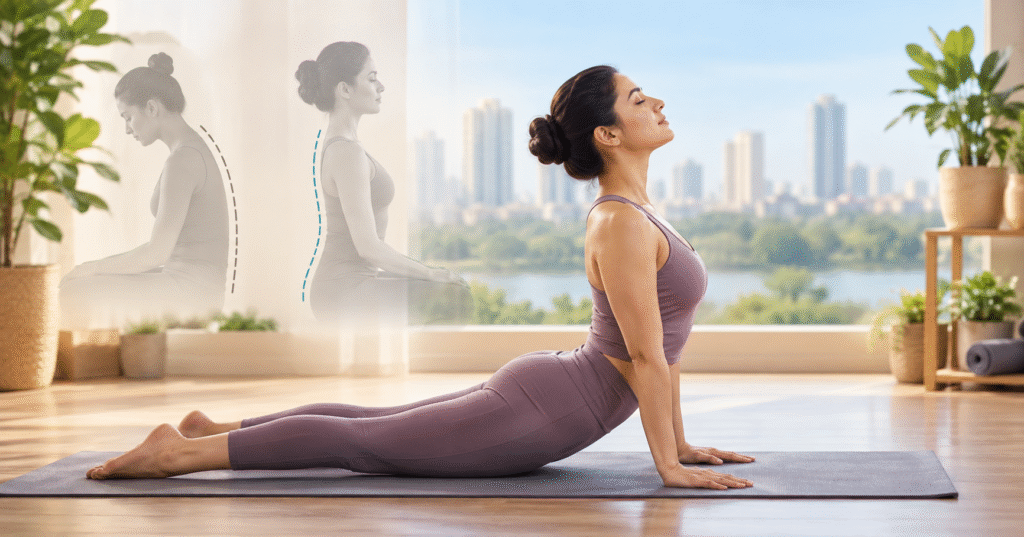
Good posture is more than simply sitting or standing up straight—it reflects how well your body is aligned and how efficiently you move throughout the day. Long hours at a desk, frequent screen use, and limited physical activity can gradually contribute to rounded shoulders, a forward head position, and stiffness in the back and hips. Yoga can help address these habits by combining mindful movement, flexibility, strength, balance, and body awareness. With regular practice, certain yoga poses can help you understand your alignment and develop greater control over how you hold and move your body. What Is Good Posture and Proper Alignment? Good posture means positioning your body in a way that allows your muscles, joints, and spine to work efficiently without unnecessary strain. It is not about keeping your back rigid or forcing your shoulders backward. Instead, healthy posture involves maintaining a natural alignment between the head, shoulders, spine, pelvis, hips, knees, and feet. Proper alignment helps distribute your body weight more evenly and allows you to move with greater ease and stability. For example, when standing, your head should remain comfortably over your shoulders, your shoulders relaxed, your spine maintain its natural curves, and your weight balanced between both feet. Posture also changes depending on what you are doing. Sitting, walking, exercising, and standing require slightly different positions. Yoga can help you become more aware of these positions, making it easier to recognize unnecessary tension, imbalances, or habits that may affect your alignment. Can Yoga Really Improve Posture? Yes, regular yoga practice can support better posture by improving strength, flexibility, balance, and body awareness. Rather than simply telling you to “sit up straight,” yoga helps you understand how your body is positioned and how different muscles work together to maintain alignment. Many yoga poses strengthen the core, back, hips, and legs, which are important for supporting the spine and maintaining a stable posture. At the same time, stretches and mobility-focused poses can help release tightness in areas such as the chest, shoulders, hips, and hamstrings that may contribute to poor alignment. Yoga also places emphasis on mindful movement and controlled breathing. This can help you become more aware of habits such as rounding your shoulders, leaning forward, or shifting your weight unevenly. With consistent practice, this greater body awareness may help you carry better alignment into everyday activities such as sitting at a desk, walking, standing, and lifting. However, yoga is not a quick fix for every posture problem. Results can vary depending on the cause of poor posture, your daily habits, physical condition, and consistency. Combining yoga with regular movement and an ergonomically supportive environment can make it easier to develop healthier posture habits over time. Common Causes of Poor Posture Poor posture often develops gradually through everyday habits rather than from a single cause. Spending long periods in the same position, limited physical activity, and muscle imbalances can all affect how the body naturally holds itself. Understanding these common causes can help you identify habits that may be affecting your alignment. Long Hours of Sitting Sitting at a desk for extended periods can encourage rounded shoulders, a forward head position, and reduced movement in the spine and hips. Without regular breaks, these positions can become habitual. Excessive Screen and Smartphone Use Looking down at a phone or leaning toward a computer screen can place the head and neck in a forward position. Repeating this posture for hours each day may contribute to neck and upper-back tension. Weak Core and Back Muscles The core and back muscles help provide stability and support for the spine. When these muscles are weak or not properly engaged, maintaining an upright posture may become more difficult. Tight Muscles and Limited Flexibility Tightness in the chest, shoulders, hips, and hamstrings can restrict natural movement and affect alignment. Regular stretching and mobility exercises can help maintain a more comfortable range of motion. Lack of Regular Movement Staying in one position for too long can cause stiffness and reduce body awareness. Regular walking, stretching, and changing positions throughout the day can help keep the body mobile. Yoga Poses for Better Posture and Alignment Certain yoga poses can help strengthen the muscles that support your spine, improve flexibility, and develop greater awareness of your body alignment. Here are five beginner-friendly poses to include in a posture-focused yoga routine. Mountain Pose (Tadasana) Mountain Pose teaches you how to stand with balanced alignment while engaging your core and keeping your spine naturally upright. How to Do It: Stand tall with your feet hip-width apart. Distribute your weight evenly across both feet. Keep your spine long and gently engage your core. Relax your shoulders and keep your head aligned over your spine. Take slow, steady breaths while holding the position for 30–60 seconds. Cat-Cow Pose (Marjaryasana-Bitilasana) Cat-Cow gently mobilizes the spine and helps you become more aware of spinal movement and alignment. How to Do It: Start on your hands and knees with wrists below shoulders. Inhale and gently lower your belly while lifting your chest. Exhale and round your spine toward the ceiling. Move slowly between the two positions with your breath. Repeat for 5–10 comfortable cycles. Cobra Pose (Bhujangasana) Cobra Pose strengthens the back muscles while opening the chest and shoulders, which can support a more upright posture. How to Do It: Lie on your stomach with your legs extended behind you. Place your palms beside your chest with elbows close to your body. Inhale and gently lift your chest using your back muscles. Keep your shoulders relaxed and avoid forcing your arms straight. Hold for 15–30 seconds, then slowly lower down. Bridge Pose (Setu Bandhasana) Bridge Pose strengthens the glutes, legs, and back while encouraging awareness of pelvic and spinal alignment. How to Do It: Lie on your back with your knees bent and feet flat on the floor. Keep your feet hip-width apart and arms beside your body. Press your feet into the floor and gently lift your hips. Keep your knees aligned
Morning Yoga vs Evening Yoga: Which Is Better for Your Body and Mind?
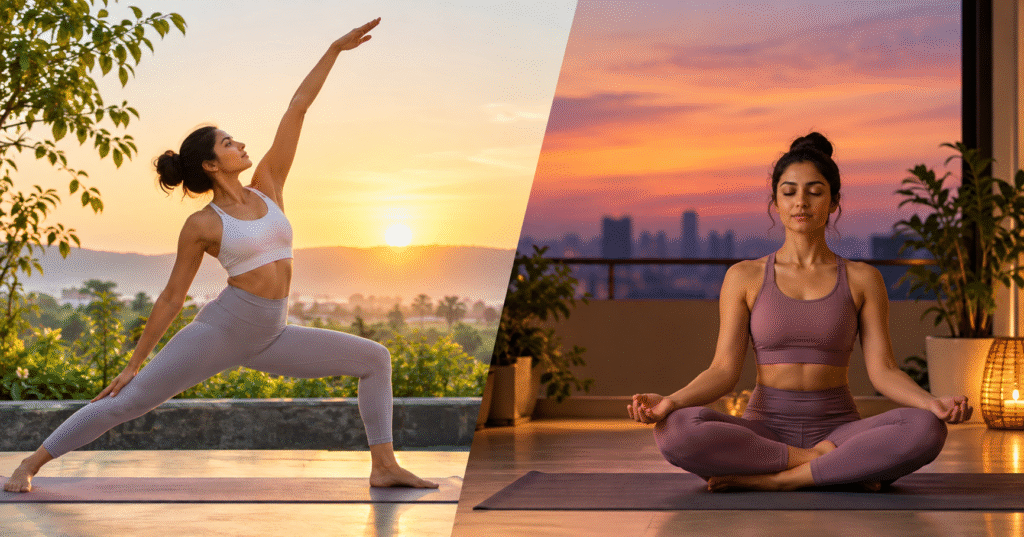
Yoga can be practised at almost any time of the day, but many people wonder whether morning yoga or evening yoga is better for the body and mind. The truth is that both can offer valuable benefits, but the ideal time depends on your lifestyle, energy levels, goals, and daily routine. Some people enjoy starting their day with movement and mindfulness, while others prefer yoga as a way to release tension and slow down after a busy day. Understanding the differences can help you choose the best time to do yoga for your needs. What Makes Morning Yoga Different? Morning yoga can be a refreshing way to begin the day. After several hours of sleep, the body may feel stiff, making gentle movement useful for gradually waking up the muscles and joints. A morning practice can also create a quiet period before work, family responsibilities, and other activities begin. Depending on the style of yoga, your practice can range from gentle stretching to a more energetic sequence. For example, Sun Salutations and flowing yoga sequences can help you feel more awake, while breathing exercises and meditation can encourage a calm and focused mindset. Benefits of Practising Morning Yoga Helps You Start the Day With Movement Morning yoga gives you an opportunity to move your body before spending hours sitting, commuting, or working. Gentle stretches can help you ease into the day. Supports Flexibility and Mobility The body can feel tight after sleeping. A suitable yoga routine can gradually move different muscle groups and joints through comfortable ranges of motion. Encourages Mental Focus Starting the morning with mindful movement and breathing can create a few uninterrupted moments to focus on yourself before the day becomes busy. Can Help You Feel More Energised A moderately active yoga session can be a refreshing alternative to immediately starting the day with screens, emails, or other responsibilities. Can Become a Consistent Routine For some people, practising yoga before other commitments makes it easier to maintain a regular schedule. Completing your practice early means there is less chance of unexpected tasks interfering with it later. What Makes Evening Yoga Different? Evening yoga offers a different experience. Instead of preparing the body and mind for the day ahead, it can provide an opportunity to transition away from work and daily responsibilities. After spending the day sitting, travelling, exercising, or managing everyday activities, the body may carry physical tension. A gentle evening yoga session can focus on stretching, breathing, relaxation, and mindful movement. The intensity can also be adjusted according to your needs. A relaxing practice may be more suitable close to bedtime than a highly vigorous session. Benefits of Practising Yoga in the Evening Helps Release Daily Tension Gentle yoga can give you time to stretch areas that may feel tight after a long day, such as the shoulders, hips, back, and legs. Creates a Transition From Work to Personal Time If you spend most of your day working, an evening yoga session can act as a boundary between work and relaxation. Encourages Relaxation Slower movements, comfortable stretches, breathing exercises, and meditation can make an evening practice feel calming. Fits Busy Morning Schedules Not everyone has enough time for yoga before work or family responsibilities. Evening classes can be a practical option for people who have more free time later in the day. Can Be Part of a Bedtime Routine A gentle practice can help you shift into a quieter state before bed. If you practise in the evening for relaxation, choose slower movements rather than an intense workout immediately before sleeping. Morning or Evening Yoga: Which Is Better for You? There is no single best time to do yoga for everyone. Your ideal practice time depends on what you want to achieve and when you can practise consistently. If you want to feel more energised: Morning yoga may fit naturally into your routine. If you want to relax after work: Evening yoga may be more appropriate. If flexibility is your priority: Both morning and evening practices can support flexibility when performed regularly and comfortably. If stress management is your goal: Either time can work. A calming evening session may be particularly appealing after a demanding day. If consistency is your biggest challenge: Choose the time that you can realistically maintain. A regular 20-minute practice is more practical than choosing an “ideal” time that you rarely follow. Can You Practise Yoga Twice a Day? Yes, some people may choose to include short yoga sessions in both the morning and evening. For example, you could begin the day with 15–20 minutes of gentle movement and breathing, then finish the day with 10–15 minutes of relaxing stretches or meditation. However, practising twice a day does not mean every session needs to be intense. Your practice should match your experience, physical condition, and recovery needs. Tips for Choosing the Best Time for Yoga Consider Your Daily Schedule Look at your work, family, travel, and other commitments. Choose a time when you are least likely to be interrupted. Pay Attention to Your Energy Levels If you naturally feel active in the morning, you may enjoy a more energetic practice then. If your mornings are difficult, an evening session may be easier to maintain. Match the Practice to the Time An energetic flow may be suitable earlier in the day, while a slower practice may work better when you are preparing to relax. Start With a Realistic Routine You don’t need to begin with a long session. Start with 15–20 minutes and gradually increase your practice if it feels comfortable. Focus on Consistency The benefits of yoga come from regular practice rather than simply choosing a particular time of day. Find a routine that fits your lifestyle and stick with it. Finding the Right Time for Your Yoga Practice The ideal time to practise yoga is not determined by the clock, but by how well it aligns with your lifestyle, goals, and daily routine. Morning yoga can encourage energy, mobility, and
Prenatal Yoga for Stress and Anxiety During Pregnancy
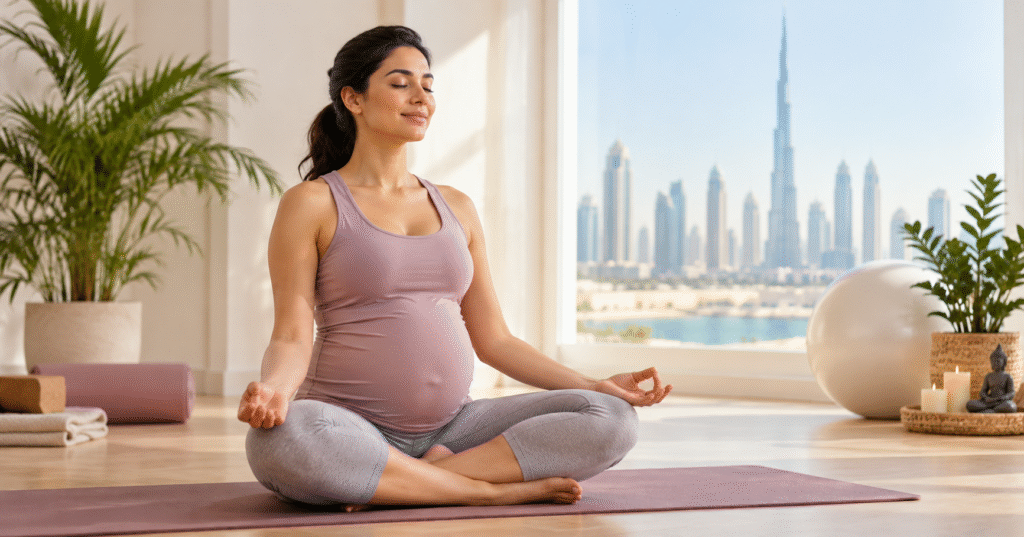
Pregnancy is a beautiful and transformative experience, but it can also bring physical discomfort, emotional changes, and concerns about childbirth, health, and the future. Feeling stressed or anxious from time to time is common during pregnancy. Finding safe and gentle ways to manage these feelings can support overall wellbeing. Prenatal yoga is one approach that may help pregnant women relax their bodies, calm their minds, and stay connected with their changing bodies. When practiced appropriately and with guidance from a qualified prenatal yoga instructor, it can be adapted to different stages of pregnancy. How Can Pregnancy Affect Stress and Anxiety? Pregnancy involves significant physical and emotional changes. Hormonal fluctuations, changing sleep patterns, morning sickness, body changes, work responsibilities, and concerns about labor or becoming a parent can contribute to stress. Some common experiences may include: Feeling overwhelmed or restless Difficulty relaxing Changes in sleep Muscle tension Racing thoughts Worry about childbirth Concerns about the baby’s health Mood changes Occasional stress is normal, but persistent or severe anxiety should be discussed with a healthcare professional. What Is Prenatal Yoga? Prenatal yoga is a modified form of yoga designed specifically for pregnancy. It generally combines gentle physical movements, breathing exercises, relaxation techniques, and mindfulness. Unlike some general yoga practices, prenatal yoga focuses on movements and positions that can be adapted as the pregnancy progresses. The goal is not to achieve difficult poses but to encourage comfortable movement, relaxation, body awareness, and breathing. 7 Ways Prenatal Yoga May Help With Stress and Anxiety Encourages Relaxation Gentle yoga movements can provide time away from daily responsibilities and create an opportunity to slow down. Combining comfortable stretches with controlled breathing may help create a calming routine, particularly when practiced in a quiet environment. Supports Mindful Breathing Breathing exercises are an important part of many prenatal yoga sessions. Slow, comfortable breathing can help you focus your attention on the present moment rather than constantly thinking about worries or upcoming changes. A prenatal yoga instructor can teach pregnancy-appropriate breathing techniques and help you practice them comfortably. Helps Release Physical Tension Stress can sometimes cause tension in areas such as the shoulders, neck, back, and hips. Gentle prenatal yoga movements may help improve mobility and release some of this physical tension. The exercises can be modified according to the stage of pregnancy and individual comfort. Creates Time for Self-Care Pregnancy can involve appointments, work, family responsibilities, and preparation for the baby’s arrival. It can be easy to put personal wellbeing aside. A regular prenatal yoga session creates dedicated time for relaxation and self-care. Even a short, consistent practice can become a calming part of your weekly routine. Improves Body Awareness Your body changes considerably during pregnancy. Prenatal yoga encourages you to pay attention to how your body feels rather than forcing it into positions. This can help you become more aware of your posture, breathing, movement, and comfort levels. Listening to your body is particularly important during pregnancy. May Support Better Sleep Physical discomfort and an active mind can make it difficult to relax before bedtime. Gentle stretching, breathing exercises, and relaxation practices may help create a calming evening routine. Better relaxation can support healthy sleep habits, although prenatal yoga should not be considered a treatment for persistent sleep problems. Provides a Sense of Connection Prenatal yoga can provide a quiet opportunity to connect with yourself and your changing body. For some women, practicing mindfulness and breathing can also create a sense of connection with their pregnancy and preparation for motherhood. Simple Prenatal Yoga Practices for Relaxation Depending on your individual health and pregnancy stage, a qualified instructor may include gentle practices such as: Comfortable seated breathing Gentle neck and shoulder movements Cat-Cow movements adapted for pregnancy Supported child’s pose when appropriate Gentle hip-opening movements Side stretches Pelvic floor awareness Guided relaxation Pregnancy-friendly meditation Not every pose is appropriate for every pregnant woman. Exercises should always be adapted to your comfort, trimester, physical condition, and healthcare guidance. When Should You Start Prenatal Yoga? There is no single starting point that is right for every pregnancy. Some women begin prenatal yoga early in pregnancy, while others start later. If you are new to yoga or have any pregnancy-related concerns, speak with your doctor or qualified healthcare provider before beginning an exercise program. A prenatal yoga instructor can then help modify movements based on your experience and stage of pregnancy. Is Prenatal Yoga Safe for Everyone? Prenatal yoga can be suitable for many healthy pregnancies when appropriately modified, but it is not automatically suitable for everyone. Before starting, discuss exercise with your healthcare provider, particularly if you have a high-risk pregnancy, pregnancy complications, or any medical concerns. During practice, avoid pushing through pain or discomfort. Stop exercising and seek medical advice if you experience concerning symptoms such as vaginal bleeding, significant dizziness, chest pain, difficulty breathing, fluid leakage, painful contractions, or other symptoms that your healthcare provider has told you to watch for. Tips for Practicing Prenatal Yoga for Anxiety To make your practice more comfortable and relaxing: Choose a qualified prenatal yoga instructor: Pregnancy requires modifications that may not be covered in a general yoga class. Focus on breathing rather than performance: Prenatal yoga is not about achieving advanced poses. Listen to your body: Your comfort can change from one day to another during pregnancy. Use supportive props: Bolsters, blocks, cushions, and chairs can help make certain movements more comfortable. Stay hydrated: Drink enough fluids before and after your session. Practice consistently: A regular, manageable routine may be more useful than an occasional long session. Keep your healthcare provider informed: Follow any exercise restrictions or recommendations specific to your pregnancy. Prenatal Yoga and Professional Support for Anxiety Yoga can be one part of a broader approach to emotional wellbeing during pregnancy. It should not replace professional care when anxiety is persistent, severe, or affecting daily life. If you are experiencing frequent panic, overwhelming worry, difficulty functioning, or other significant emotional symptoms, speak with your healthcare provider or a
How Yoga Supports a Healthy Pregnancy?
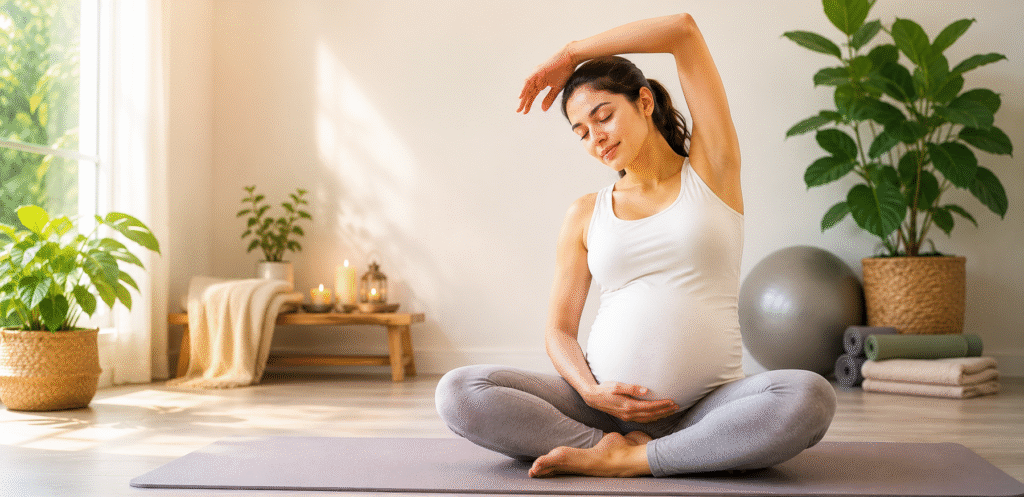
Pregnancy is a beautiful journey filled with exciting changes, but it can also bring physical discomfort, emotional stress, and new challenges for the body. Yoga during pregnancy can be a gentle way to support your overall well-being by encouraging flexibility, relaxation, better posture, and mindful breathing. With the right prenatal yoga practices and proper guidance, expecting mothers can stay active while adapting to the changes that come with each trimester. What Is Prenatal Yoga? Prenatal yoga is a gentle form of yoga designed specifically to support women during pregnancy. It includes modified poses, breathing exercises, and relaxation techniques that can help improve flexibility, strength, balance, and overall comfort. Unlike regular yoga, prenatal yoga focuses on movements that are appropriate for the changing body and different stages of pregnancy. With guidance from a qualified instructor, it can be a safe and supportive way to stay active during pregnancy. Benefits of Yoga During Pregnancy Helps Reduce Back Pain and Body Discomfort As the baby grows, changes in posture and weight can put extra pressure on the lower back, hips, and legs. Gentle prenatal yoga stretches can help release muscle tension and improve mobility. Regular practice may make everyday movements more comfortable and support better posture. Supports Flexibility and Strength Prenatal yoga uses gentle movements that help maintain flexibility as the body changes throughout pregnancy. It can also strengthen muscles that support the back, hips, legs, and pelvic area. Improved strength and mobility can help the body manage physical changes more comfortably. Promotes Relaxation and Reduces Stress Pregnancy can bring emotional changes and everyday stress, making relaxation especially important. Yoga combines gentle movement with mindful breathing, helping expecting mothers slow down and release tension. A regular practice can create a calming routine and encourage greater emotional well-being. Improves Breathing and Body Awareness Breathing exercises are an important part of prenatal yoga and can encourage calm, controlled breathing. They also help expecting mothers become more aware of their posture, movement, and physical sensations. These skills can support relaxation and help women feel more connected to their changing bodies. Helps Prepare the Body for Labor Certain prenatal yoga practices focus on gentle hip and pelvic mobility, comfortable positioning, and controlled breathing. These practices may help expecting mothers become more familiar with movement and relaxation techniques that can be useful during labor. However, yoga should complement—not replace—medical guidance and recommended prenatal care. Safe Yoga Poses During Pregnancy Cat-Cow Pose (Marjaryasana-Bitilasana) Cat-Cow is a gentle movement that can help release tension in the back and improve spinal mobility. It can also encourage comfortable movement as your belly grows. How to Do It: Start on your hands and knees with your wrists under your shoulders. Keep your knees comfortably apart and your spine neutral. Inhale and gently lift your chest while allowing your back to curve slightly. Exhale and gently round your spine without compressing your belly. Repeat slowly for several comfortable breaths. Bound Angle Pose (Baddha Konasana) Bound Angle Pose gently stretches the inner thighs and hips. Using cushions or yoga blocks can make the pose more comfortable during pregnancy. How to Do It: Sit comfortably with your spine upright. Bring the soles of your feet together in front of you. Allow your knees to gently move outward without forcing them down. Place cushions under your knees if additional support is needed. Hold the position while breathing slowly and comfortably. Supported Child’s Pose A modified Child’s Pose can provide a relaxing stretch for the back, hips, and shoulders. A bolster or pillows can be placed under the upper body to create space for the growing belly. How to Do It: Kneel comfortably with your knees wider than your hips. Place a bolster or pillows lengthwise in front of you. Slowly lean forward and rest your chest and head on the support. Keep your belly comfortable and avoid putting pressure on it. Breathe slowly and remain in the pose for as long as it feels comfortable. Supported Squat (Malasana) A supported squat can gently encourage mobility in the hips and pelvis. Holding onto a sturdy support or using a yoga block can improve balance and comfort. How to Do It: Stand with your feet slightly wider than hip-width apart. Hold a sturdy support if you need help with balance. Slowly bend your knees and lower your hips toward a comfortable squat. Keep your chest lifted and avoid forcing your knees or hips. Hold briefly while breathing comfortably, then slowly return to standing. Side-Lying Relaxation Pose Side-lying relaxation is a comfortable option for resting and practicing mindful breathing, particularly as pregnancy progresses. Pillows can be used between the knees and under the belly for additional support. How to Do It: Lie comfortably on your side with your head supported by a pillow. Place a pillow between your knees for better alignment. Add a small pillow under your belly if needed. Relax your shoulders and keep your breathing slow and natural. Stay in the position for several minutes while focusing on relaxation. Embrace a Healthier Pregnancy with Prenatal Yoga Prenatal yoga can be a gentle and beneficial way to support your physical and emotional well-being throughout pregnancy. Regular practice may help improve flexibility, strength, relaxation, breathing, and overall body awareness as your body changes. Choosing pregnancy-safe poses and practicing under the guidance of a qualified prenatal yoga instructor can help you enjoy these benefits safely. Always listen to your body and consult your healthcare provider before beginning or continuing a yoga practice during pregnancy. At Body & Mind Yogi, our expert-led prenatal yoga classes in Dubai are designed to help expecting mothers stay active, reduce pregnancy discomfort, and prepare for a healthier, more confident pregnancy journey. Join us to experience safe, guided yoga practices that support both you and your growing baby.
5 Yoga Poses for Pregnancy to Relieve Muscle Cramps
Pregnancy is a beautiful journey, but it also brings a variety of physical changes that can leave many moms-to-be dealing with uncomfortable muscle cramps, especially in the legs, hips, and lower back. As your body adapts to support your growing baby, gentle movement and mindful stretching can help ease tension and improve overall comfort. Prenatal yoga offers a safe and natural way to relax tight muscles, boost circulation, and promote better sleep. Yoga poses that can help relieve muscle cramps and support your well-being throughout each trimester. Is Yoga During Pregnancy Really Helpful? Pregnancy brings exciting changes, but it can also come with physical discomfort, emotional ups and downs, and plenty of questions about what’s best for both mother and baby. One practice that’s often recommended is prenatal yoga—but is yoga during pregnancy really helpful? The answer is yes, when practiced safely and under proper guidance. Prenatal yoga combines gentle stretches, breathing exercises, and relaxation techniques that can help reduce stress, ease common pregnancy aches, improve flexibility, and prepare the body for labor. In this article, we’ll explore the benefits of yoga during pregnancy, how it supports overall well-being, and what expecting mothers should keep in mind before stepping onto the mat. Here Are 5 Yoga Poses for Pregnancy to Relieve Muscle Cramps Cat-Cow Pose (Marjaryasana-Bitilasana) Cat-Cow Pose is a gentle stretch that helps relieve tension in the lower back, hips, and abdominal muscles. It promotes better blood circulation and improves spinal flexibility, which can help reduce muscle cramps during pregnancy. The rhythmic movement also encourages relaxation and reduces stress. This pose is safe for most pregnant women when performed slowly. How To Do It: Start on all fours with your hands under your shoulders and knees under your hips. Inhale and arch your back gently while lifting your chest and tailbone (Cow Pose). Exhale and round your spine while tucking your chin slightly (Cat Pose). Continue moving between the two positions slowly with your breath. Repeat for 8–10 breaths. Butterfly Pose (Baddha Konasana) Butterfly Pose stretches the inner thighs, hips, and pelvic muscles, helping ease cramping and stiffness. It improves circulation to the lower body and promotes relaxation. This pose can also help prepare the body for labor by increasing flexibility in the pelvic area. Practicing it regularly may reduce discomfort caused by prolonged sitting. How To Do It? Sit comfortably on the floor with your back straight. Bring the soles of your feet together and let your knees fall outward. Hold your feet or ankles with both hands. Gently flap your knees up and down or simply hold the stretch. Breathe deeply and stay in the position for 1–2 minutes. Child’s Pose (Balasana) Child’s Pose is a restorative posture that helps relieve muscle tension in the back, hips, and thighs. It encourages relaxation and reduces stress, which can contribute to muscle cramps. During pregnancy, widening the knees creates more space for the belly and enhances comfort. This pose also promotes deep breathing and mental calmness. How To Do It? Kneel on the mat and spread your knees wider than hip-width apart. Sit your hips back toward your heels. Stretch your arms forward and lower your chest gently. Rest your forehead on the mat or a pillow for support. Hold for 30–60 seconds while taking slow breaths. Goddess Pose (Utkata Konasana) Goddess Pose strengthens the legs and opens the hips, improving circulation and reducing muscle tightness. It helps relieve cramps in the thighs and pelvic region while promoting stability and balance. This posture also encourages better posture and prepares the body for childbirth. Practicing it mindfully can increase flexibility and endurance during pregnancy. How To Do It? Stand with your feet wider than shoulder-width apart. Turn your toes outward at a comfortable angle. Bend your knees and lower your hips slightly into a squat position. Bring your hands together at your chest or raise your arms to shoulder height. Hold the pose for 20–30 seconds while breathing deeply, then slowly return to standing. Vrikshasana (Tree Pose) Vrikshasana, or Tree Pose, is a gentle standing posture that helps improve balance, stability, and posture during pregnancy. It strengthens the legs, ankles, and core muscles while promoting better blood circulation, which can help reduce muscle cramps and fatigue. Practicing this pose also enhances concentration and encourages a sense of calm and relaxation. For extra support, pregnant women can perform Tree Pose near a wall or hold onto a chair. How To Do It? Stand tall with your feet together and your arms relaxed by your sides. Shift your weight onto your left foot and slowly place the sole of your right foot on your left calf or inner thigh (avoid placing it directly on the knee). Bring your palms together in front of your chest in a prayer position. Focus on a fixed point in front of you and breathe deeply while maintaining your balance. Hold the pose for 20–30 seconds, then slowly lower your foot and repeat on the other side. Nurturing Your Well-Being Throughout Pregnancy Pregnancy is a time of constant change, and taking care of your body becomes more important than ever. Incorporating gentle movement into your daily routine can help you stay active, reduce physical discomfort, and create moments of calm amid the many changes happening within. Beyond providing relief from occasional aches and cramps, mindful exercise encourages a deeper connection between you and your growing baby. With consistency, proper guidance, and attention to your body’s needs, you can support a healthier, more comfortable, and more positive pregnancy journey. Join us at Body and Mind Yoga Center, where our specialized online prenatal yoga classes in Dubai provide a nurturing environment for mothers-to-be to connect with their bodies and their growing babies.
5 Yoga Poses for Pregnancy to Relieve Aches & Pains
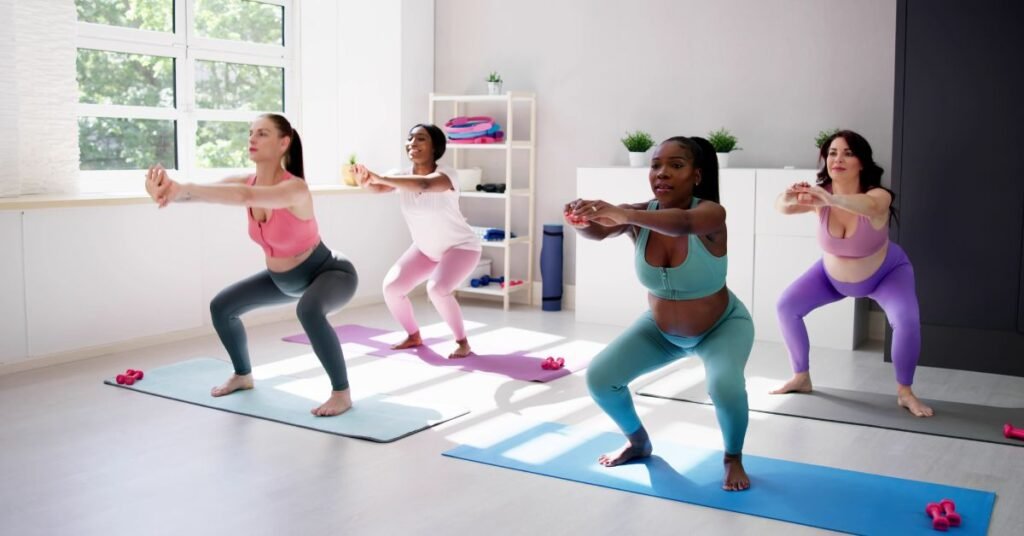
Pregnancy is a beautiful and transformative journey, but it’s not without its share of physical discomforts and emotional ups and downs. From backaches and bloating to fatigue, nausea, and mood swings—many women experience a variety of challenges across all three trimesters. The good news? Prenatal yoga offers a safe, natural, and effective way to ease these common discomforts while supporting your overall well-being. When practiced mindfully under expert guidance, yoga can relieve tension, improve flexibility, calm the mind, and prepare the body for labor and delivery. Understanding the Aches and Pains of Pregnancy Pregnancy is a time of incredible transformation, and with it comes a host of physical changes that can often lead to discomfort. As your baby grows, your body adapts to support the extra weight and shifting balance. One of the most common sources of discomfort is back pain, caused by the shift in your center of gravity and the added strain on your lower back and surrounding muscles. Additionally, many women experience pelvic pain, shoulder and neck tension, and swollen ankles as pregnancy progresses. These symptoms are often intensified by hormonal changes that soften the ligaments and joints to prepare for childbirth. While these changes are completely natural, they can lead to instability and aches in various parts of the body, making everyday tasks more challenging. Recognizing these discomforts as a normal part of pregnancy is the first step toward managing them effectively. And that’s where prenatal yoga becomes an essential tool for relief and balance. Read More: 5 Safe Yoga Poses For Pregnant Women To Stay Strong And Relaxed Here are 5 Yoga Poses for Pregnancy to Relieve Aches & Pains Cat-Cow Pose (Marjaryasana/Bitilasana) This gentle, flowing movement between arching and rounding the spine helps relieve back pain, reduce tension in the spine and shoulders, and improve posture and breathing—making it especially helpful as the belly grows. How to Do It: Start on your hands and knees in a tabletop position, with wrists under shoulders and knees under hips. Inhale as you drop your belly, lift your chest, and tilt your tailbone upward (Cow Pose). Exhale as you round your back, tucking the chin toward the chest and tailbone under (Cat Pose). Continue flowing between Cat and Cow with each breath, moving gently. Repeat for 5–10 rounds, moving slowly and mindfully. Read More: 5 Prenatal Yoga Poses For Second Trimester Triangle Pose (Trikonasana) Triangle Pose stretches the sides of the body, hips, and legs, improving digestion, circulation, and balance. It helps relieve tension in the lower back and opens the chest for easier breathing. How to Do It: Stand with feet wide apart; turn your right foot out 90 degrees and left foot slightly in. Extend your arms parallel to the floor, palms down. Inhale and reach your right arm forward, then lower it to your shin or a block; lift the left arm up. Keep your chest open and look up or straight ahead, depending on your neck comfort. Hold for 3–5 breaths, then switch sides. Warrior II Pose (Virabhadrasana II) Warrior II strengthens the legs, hips, and back, while also opening the chest and shoulders. It helps improve stamina, stability, and mental focus—ideal preparation for childbirth. How to Do It: Stand with feet about 3–4 feet apart; turn right foot out, left foot slightly in. Raise arms to shoulder height, palms facing down. Bend your right knee directly over the ankle, keeping the left leg straight. Gaze over your right hand, keeping shoulders relaxed and spine tall. Hold for 5–8 breaths, then repeat on the other side. Read More: 11 Yoga Poses For PCOS And Hormonal Imbalance Butterfly Pose (Baddha Konasana) This seated stretch opens the hips, inner thighs, and pelvic floor, making it especially beneficial during pregnancy. It also helps relax the lower back and improves circulation in the pelvic region. How to Do It: Sit on the floor with a straight spine and bring the soles of your feet together. Let your knees drop gently toward the floor. Hold your feet with your hands, keeping your spine long. Gently flap your knees up and down, or hold still and breathe deeply. Stay in the pose for 1–2 minutes, breathing steadily. Legs Up the Wall (Viparita Karani) This restorative pose improves circulation, reduces swelling in the feet and legs, and calms the nervous system. It’s especially helpful for relieving fatigue, anxiety, and lower back pressure. How to Do It: Sit sideways next to a wall and gently swing your legs up as you lie down on your back. Adjust your hips close to the wall and rest your arms by your sides, palms up. Use a cushion or bolster under your hips if needed for support. Close your eyes and breathe deeply, allowing the body to fully relax. Stay for 5–10 minutes, then slowly roll to your side to come out of the pose. Embrace a Healthier, More Comfortable Pregnancy with Yoga Pregnancy brings moments of joy, excitement, and transformation—but it also comes with its fair share of physical discomforts. Fortunately, practicing gentle and safe yoga can offer tremendous relief from common pregnancy-related aches and pains like backaches, pelvic pressure, fatigue, and swelling. Yoga poses shared above are not only simple and effective but also adaptable to all three trimesters. When practiced regularly and under proper guidance, they can help you feel stronger, more relaxed, and better prepared—both physically and emotionally—for childbirth. Always listen to your body, move mindfully, and consult with your healthcare provider before starting any new exercise routine during pregnancy. And most importantly, give yourself grace as you nurture both your body and your baby during this beautiful journey. Join us at Body and Mind Yoga Center, where our specialized prenatal yoga classes in Dubai provide a nurturing environment for mothers-to-be to connect with their bodies and their growing babies.
Can You Practice Yoga Every Day During Pregnancy?
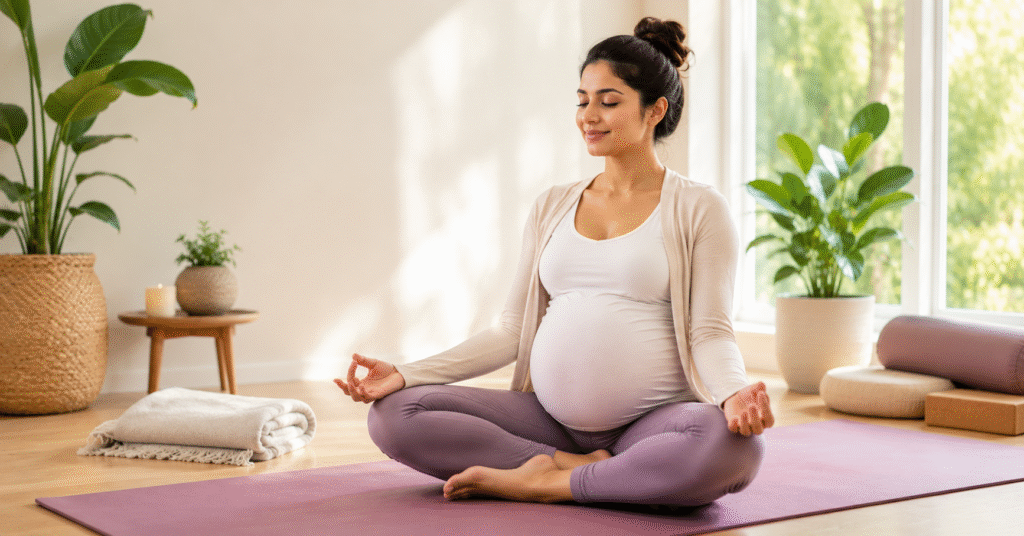
Pregnancy is a beautiful journey, but it also brings physical and emotional changes that can affect your daily comfort and well-being. Many expectant mothers turn to prenatal yoga to ease common pregnancy discomforts, improve flexibility, and prepare the body and mind for childbirth. A common question, however, is: Can you practice yoga every day during pregnancy? The short answer is yes—daily prenatal yoga can be safe and beneficial for most healthy pregnancies, provided you practice pregnancy-safe poses, avoid overexertion, and follow your healthcare provider’s advice. Gentle daily movement can help reduce back pain, improve posture, relieve stress, promote better sleep, and support overall physical and mental health throughout pregnancy. Is It Safe to Do Prenatal Yoga Every Day? Yes, prenatal yoga is generally safe to practice every day for women with a healthy, uncomplicated pregnancy, provided it is gentle and approved by their healthcare provider. Daily sessions can improve flexibility, reduce muscle tension, support better posture, and promote relaxation without placing excessive strain on the body. It’s important to listen to your body, avoid poses that cause discomfort, and modify your practice as your pregnancy progresses. If you have a high-risk pregnancy or any medical concerns, consult your doctor before making prenatal yoga part of your daily routine. What Are the Benefits of Daily Pregnancy Yoga? Helps Relieve Common Pregnancy Discomforts Gentle prenatal yoga can ease back pain, hip tightness, swollen feet, and muscle stiffness by improving flexibility and reducing tension in the body. Improves Strength, Balance, and Posture Regular practice strengthens the core, pelvic floor, and leg muscles while promoting better posture, helping your body adapt to your growing baby bump. Reduces Stress and Promotes Better Sleep Breathing exercises and mindfulness techniques used in prenatal yoga help lower stress levels, reduce anxiety, and improve sleep quality during pregnancy. Prepares the Body for Labour and Delivery Daily yoga improves pelvic flexibility, body awareness, and breathing control, which can support a smoother labour and make relaxation techniques easier to use during childbirth. Boosts Overall Physical and Emotional Well-Being Consistent prenatal yoga increases circulation, supports healthy energy levels, and encourages a positive connection between you and your baby, contributing to better overall well-being throughout pregnancy. Which Yoga Poses Are Safe to Practice Every Day? Cat-Cow Pose (Marjaryasana-Bitilasana) Cat-Cow gently mobilises the spine, relieves lower back pain, and improves flexibility. It also helps reduce stiffness and encourages better posture throughout pregnancy. How to Do It: Start on your hands and knees with your wrists under your shoulders and knees under your hips. Inhale as you gently arch your back, lift your chest, and look slightly upward (Cow Pose). Exhale as you round your spine, tuck your chin toward your chest, and gently draw your belly inward (Cat Pose). Continue moving slowly between the two positions, matching each movement with your breath. Repeat for 8–10 slow breaths, keeping the movements smooth and comfortable. Butterfly Pose (Baddha Konasana) Butterfly Pose stretches the hips, inner thighs, and groin while improving pelvic flexibility. Practising it daily can help prepare the body for labour and ease hip discomfort. How to Do It: Sit comfortably on a yoga mat with your spine straight. Bring the soles of your feet together and let your knees fall outward. Hold your feet or ankles gently with both hands. Inhale to lengthen your spine, then exhale and gently relax your knees toward the floor without forcing them. Stay in the pose for 30–60 seconds while taking slow, deep breaths. Seated Side Stretch This gentle stretch opens the sides of the body and rib cage, making breathing more comfortable as your baby grows. It also relieves tightness in the shoulders and waist. How to Do It: Sit cross-legged or on a cushion with your back straight. Place your left hand on the floor beside you for support. Inhale and raise your right arm overhead. Exhale as you gently bend your upper body to the left, feeling a stretch along your right side. Hold for 3–5 breaths, return to the centre, and repeat on the opposite side. Mountain Pose (Tadasana) Mountain Pose strengthens the legs, improves balance, and promotes proper posture. It helps reduce strain on the lower back caused by the extra pregnancy weight. How to Do It : Stand with your feet hip-width apart and distribute your weight evenly. Relax your shoulders and keep your arms resting naturally by your sides. Engage your core gently and lengthen your spine. Inhale deeply while lifting through the crown of your head, keeping your chin parallel to the floor. Hold the pose for 30–60 seconds, breathing slowly and maintaining steady balance. Child’s Pose (Modified Balasana) A supported Child’s Pose relaxes the back, hips, and pelvis while promoting deep breathing and stress relief. Keep your knees wide apart and use a cushion or bolster for added comfort during pregnancy. How to Do It: Kneel on the mat with your knees wider than hip-width apart. Bring your big toes together and slowly sit your hips back toward your heels. Lean your upper body forward, allowing space for your growing belly. Stretch your arms forward or rest them alongside your body, using a pillow or bolster for support if needed. Relax in the pose for 30–60 seconds while taking slow, deep breaths. Final Thoughts on Practicing Yoga Every Day During Pregnancy Practising prenatal yoga every day can be a safe and effective way to support a healthy pregnancy when done correctly. A gentle daily routine can help reduce common pregnancy discomforts, improve strength and flexibility, promote relaxation, and prepare your body for labour. Always listen to your body, modify poses as your pregnancy progresses, and seek guidance from your healthcare provider or a certified prenatal yoga instructor before starting or continuing a daily practice. Consistency, proper technique, and safety are the keys to enjoying the many benefits of pregnancy yoga. Join us at Body and Mind Yoga Center for an enriching experience that harmonizes body and mind. Your path to wellness begins here. We provide the best
Prenatal Yoga to Prepare for Labor and Delivery
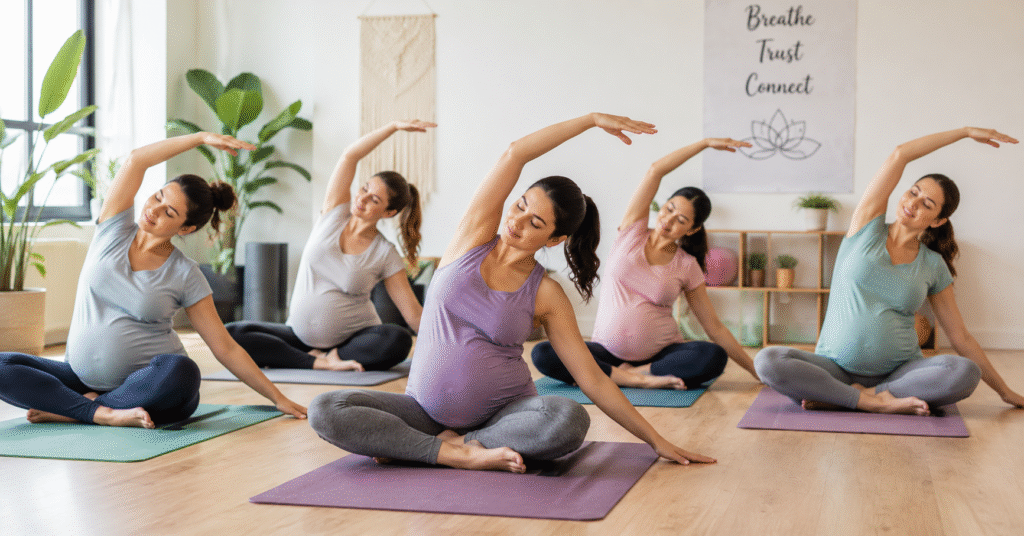
Preparing for labor and delivery is about more than packing a hospital bag—it’s about helping your body and mind feel strong, flexible, and confident for the journey ahead. As your due date approaches, your body undergoes significant changes that can affect your posture, breathing, mobility, and overall comfort. Incorporating prenatal yoga into your pregnancy routine is a gentle and effective way to support these changes while preparing for childbirth. Prenatal yoga combines safe stretching, strengthening exercises, breathing techniques, and relaxation practices specifically designed for expectant mothers. Regular practice can help improve pelvic flexibility, strengthen the muscles used during labor, reduce pregnancy-related discomfort, and teach breathing techniques that may make contractions easier to manage. It also encourages mental calmness, helping you approach labor with greater confidence and less anxiety. Why Prenatal Yoga is Vital for Labour Preparation? Builds Strength and Endurance Labour can be physically demanding, often lasting several hours. Prenatal yoga helps strengthen key muscle groups, including the legs, hips, core, back, and shoulders, which support your body throughout pregnancy and childbirth. Improved muscular endurance can help you maintain different labor positions more comfortably and reduce fatigue during delivery. Gentle strengthening exercises also make it easier to carry your growing baby while supporting better posture. Improves Pelvic Floor Support A healthy pelvic floor plays an important role during pregnancy, labor, and postpartum recovery. Prenatal yoga includes gentle exercises that help you become more aware of your pelvic floor muscles, teaching you when to engage and when to relax them. This balance can support the baby’s descent during labor, improve bladder control during pregnancy, and aid recovery after childbirth. Rather than simply strengthening these muscles, prenatal yoga focuses on flexibility and coordination, which are equally important for a smoother birth experience. Promotes Better Balance and Flexibility As your baby grows, your center of gravity shifts, making balance more challenging and increasing pressure on your joints. Prenatal yoga improves overall flexibility and helps maintain mobility in the hips, pelvis, and spine while enhancing balance through safe, pregnancy-friendly movements. Better flexibility can make it easier to move comfortably during labor, while improved balance supports everyday activities and may reduce the risk of falls. Regular practice also helps relieve muscle tightness and promotes greater comfort throughout pregnancy. 5 Prenatal Yoga Poses to Prepare for Labor and Delivery Butterfly Pose (Baddha Konasana) Butterfly Pose gently opens the hips and inner thighs while improving flexibility in the pelvic region. It encourages better circulation, reduces tension in the lower body, and helps prepare the pelvis for childbirth. How to Do It: Sit on the floor with your back straight and legs extended. Bend your knees and bring the soles of your feet together. Hold your feet or ankles and let your knees gently fall toward the floor. Lengthen your spine, relax your shoulders, and breathe deeply. Hold for 30–60 seconds, then slowly release. Cat-Cow Pose (Marjaryasana-Bitilasana) Cat-Cow is a gentle spinal movement that relieves back pain and improves spinal mobility. It also encourages optimal baby positioning by creating more space in the pelvis. How to Do It: Begin on your hands and knees with your wrists under your shoulders and knees under your hips. Inhale, arch your back, lift your chest, and look slightly upward (Cow Pose). Exhale, round your spine, tuck your chin, and gently draw your belly inward (Cat Pose). Move slowly between the two positions with each breath. Continue for 8–10 gentle rounds. Garland Pose (Malasana) Garland Pose is a deep squat that naturally opens the hips and stretches the pelvic floor. It helps build strength in the legs while increasing flexibility in preparation for labor. How to Do It: Stand with your feet slightly wider than hip-width apart, toes turned outward. Slowly lower into a comfortable squat while keeping your heels on the floor if possible. Bring your palms together at your chest and gently press your elbows against your knees. Keep your chest lifted, spine long, and breathe deeply. Hold for 20–30 seconds, then slowly stand back up. Wide-Knee Child’s Pose (Balasana) This restorative pose gently stretches the hips, lower back, and pelvis while promoting deep breathing and relaxation. It’s an excellent pose for reducing stress and relieving pregnancy discomfort. How to Do It: Kneel on the mat and separate your knees wider than your hips. Bring your big toes together and slowly sit your hips back toward your heels. Walk your hands forward and lower your chest comfortably between your thighs. Rest your forehead on the mat or a yoga block while breathing slowly. Hold for 30–60 seconds before gently returning to a seated position. Goddess Pose (Utkata Konasana) Goddess Pose strengthens the legs, hips, and pelvic muscles while improving stability and endurance. It also increases hip mobility, making it a valuable pose for labor preparation. How to Do It: Stand with your feet wider than shoulder-width apart and turn your toes outward. Bend your knees until they are comfortably aligned over your ankles. Keep your chest lifted, spine straight, and engage your core. Place your hands on your hips or bring your palms together at your chest. Hold the pose for 20–30 seconds while breathing steadily, then straighten your legs to return to standing. Your Journey to a Healthier Labor Starts with Prenatal Yoga Preparing for labor is about building strength, flexibility, confidence, and a sense of calm—and prenatal yoga supports all of these. With regular, guided practice, you can improve your physical readiness, learn effective breathing techniques, and reduce stress as your due date approaches. Always practice under the guidance of a qualified prenatal yoga instructor and consult your healthcare provider to ensure each pose is safe for your stage of pregnancy. Join us at Body and Mind Yoga Center for an enriching experience that harmonizes body and mind. Your path to wellness begins here. We provide the best Yoga classes In Dubai with a variety of lessons suited to fit your needs and preferences.
Pregnancy Yoga for Constipation Relief
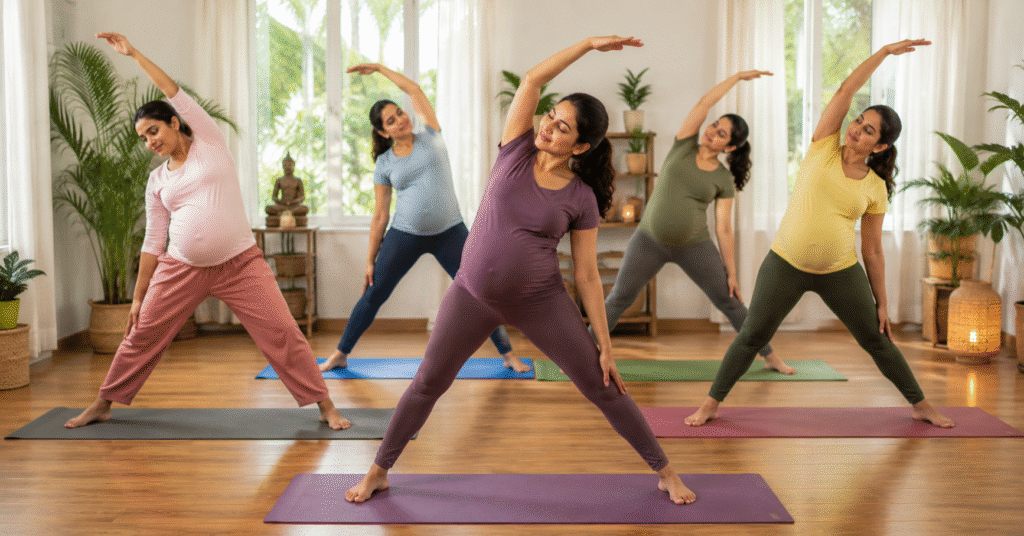
Pregnancy brings many physical and hormonal changes, and constipation is one of the most common digestive issues expectant mothers experience. Rising progesterone levels slow down digestion, while the growing uterus can put pressure on the intestines, making bowel movements less frequent and uncomfortable. Although dietary changes, hydration, and regular movement play an important role, pregnancy yoga can also be a safe and effective way to support healthy digestion and ease constipation. Gentle prenatal yoga poses help stimulate the digestive system, improve blood circulation, reduce bloating, and encourage natural bowel movements without putting unnecessary strain on your body. Combined with mindful breathing, these exercises can also reduce stress, which is another factor that can affect digestive health during pregnancy. Why Is Constipation Common During Pregnancy? Constipation is one of the most common digestive problems during pregnancy, affecting many women at different stages of their pregnancy. It occurs when bowel movements become less frequent, stools become hard, or passing stool becomes difficult. Several natural changes in the body contribute to this condition. Hormonal Changes During pregnancy, your body produces higher levels of the hormone progesterone. This hormone helps relax the muscles of the uterus to support your growing baby, but it also relaxes the muscles in the digestive tract. As a result, food moves more slowly through the intestines, allowing more water to be absorbed from the stool, which can make it hard and difficult to pass. Growing Uterus As your baby grows, the uterus expands and places increasing pressure on the intestines and rectum. This added pressure can slow the movement of waste through the digestive system, making constipation more likely, especially during the second and third trimesters. Iron Supplements Many pregnant women are prescribed iron supplements to support healthy red blood cell production and prevent anaemia. While these supplements are important, they can also contribute to constipation in some women by making stools firmer and slowing bowel movements. Changes in Diet and Activity Morning sickness, food aversions, and changes in appetite may reduce your intake of fibre-rich foods such as fruits, vegetables, and whole grains. At the same time, fatigue or physical discomfort may lead to reduced physical activity. Both factors can slow digestion and increase the risk of constipation. Dehydration Pregnancy increases your body’s need for fluids. If you do not drink enough water, your body absorbs more moisture from the intestines, leaving stools dry and harder to pass. Which Pregnancy Yoga Poses Are Safe for Constipation Relief? Cat-Cow Pose (Marjaryasana-Bitilasana) The Cat-Cow Pose is one of the safest and most effective yoga poses during pregnancy. It gently stretches the spine and massages the abdominal organs, helping to stimulate digestion and relieve bloating. How to Do It Start on your hands and knees with your wrists directly under your shoulders and your knees under your hips. Inhale as you lift your head and tailbone, allowing your belly to move gently downward (Cow Pose). Exhale as you tuck your chin towards your chest and gently round your back (Cat Pose). Continue moving slowly between Cat and Cow, matching each movement with your breath. Repeat for 8–10 slow breaths, then return to a neutral spine. Child’s Pose (Balasana – Wide-Knee Variation) A wide-knee Child’s Pose provides a gentle stretch for the lower back and pelvic area while allowing space for your growing belly. It also promotes relaxation, which can support healthy digestion. How to Do It Kneel on the mat and spread your knees wider than hip-width to make room for your baby bump. Bring your big toes together and slowly sit your hips back towards your heels. Stretch your arms forward with your palms resting on the mat. Rest your forehead on the mat or place a yoga block or cushion beneath it for support. Breathe deeply and hold the pose for 30–60 seconds before slowly sitting back up. Garland Pose (Supported Malasana) A supported squat helps encourage bowel movements by gently opening the pelvic floor and improving the natural alignment of the digestive tract. Use yoga blocks or a chair for support if needed. How to Do It Stand with your feet slightly wider than shoulder-width apart and toes pointing out comfortably. Slowly bend your knees and lower into a gentle squat, keeping your heels on the floor if possible. Place your hands together at your chest or hold a chair or yoga block for support. Keep your chest lifted and your spine straight while breathing slowly. Hold for 20–30 seconds, then press through your feet to slowly stand back up. Bound Angle Pose (Baddha Konasana) This gentle seated pose improves blood flow to the pelvic region and supports digestive health while stretching the inner thighs and hips. How to Do It Sit comfortably on the floor or on a folded blanket with your back straight. Bring the soles of your feet together and allow your knees to fall gently out to the sides. Hold your feet or ankles while keeping your shoulders relaxed. Sit tall and take slow, deep breaths without pressing your knees downward. Stay in the pose for 1–2 minutes, then gently straighten your legs. Seated Side Stretch A gentle side stretch creates space around the abdomen, improves circulation, and encourages healthy movement within the digestive organs without compressing the belly. How to Do It Sit comfortably on the floor with your legs crossed or on a cushion for extra support. Place one hand on the floor beside you for balance. Raise your opposite arm overhead and lengthen your spine. Slowly bend towards the supporting hand, feeling a gentle stretch along the side of your body. Hold for 20–30 seconds while breathing deeply, then repeat on the opposite side. Final Thoughts on Pregnancy Yoga for Constipation Relief Pregnancy yoga offers a gentle and natural way to relieve constipation by improving digestion, reducing bloating, and encouraging regular bowel movements. When combined with a fibre-rich diet, proper hydration, and light physical activity, it can help you feel more comfortable throughout your pregnancy. Always practise under the guidance
How Prenatal Yoga Can Help Reduce Swollen Feet During Pregnancy?
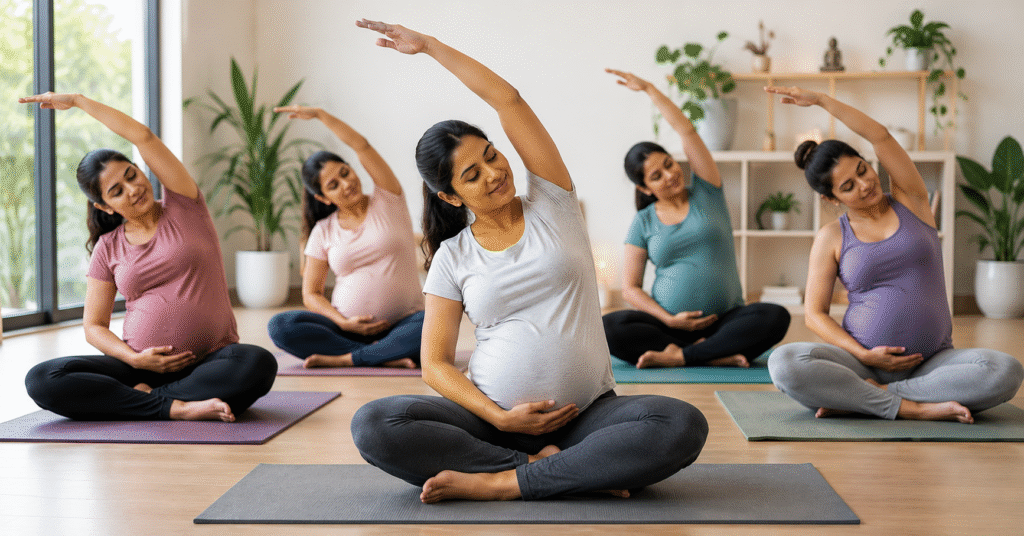
Pregnancy is an incredible journey, but it also brings physical changes that can sometimes feel uncomfortable. One of the most common complaints among expecting mothers is swollen feet and ankles, especially during the second and third trimesters. As your body retains more fluids and your growing baby puts extra pressure on your blood vessels, swelling—also known as edema—can become a part of daily life. The good news is that gentle movement can make a significant difference. Prenatal yoga is a safe and effective way to improve circulation, reduce fluid buildup, and ease the discomfort of swollen feet while supporting your overall physical and emotional well-being. With pregnancy-friendly stretches, breathing techniques, and relaxation practices, prenatal yoga helps your body adapt to these changes naturally. Why Swollen Feet and Ankles Occur During Pregnancy? Swollen feet and ankles are a common part of pregnancy, especially during the second and third trimesters. This swelling, known as edema, happens because your body goes through several natural changes to support your growing baby. While mild swelling is usually normal, understanding why it happens can help you manage it more effectively. Increased Fluid Retention During pregnancy, your body produces and retains more fluids to support your baby’s growth and development. This extra fluid helps nourish the placenta, increase blood volume, and prepare your body for labor. As a result, some of this fluid naturally collects in the tissues of your feet, ankles, and legs, causing noticeable swelling. Hot weather, standing for long periods, or being physically inactive can make fluid retention even more noticeable. Growing Uterus and Decreased Circulation As your baby grows, your uterus expands and places additional pressure on the veins that carry blood from your lower body back to your heart. This pressure can slow blood circulation and make it more difficult for fluids to move efficiently through your body. Gravity also causes fluid to settle in the feet and ankles, particularly after a long day of standing or sitting. Gentle activities like walking and prenatal yoga can help improve circulation and reduce this buildup of fluid. How Prenatal Yoga Helps Alleviate Swelling? Prenatal yoga is one of the safest and most effective forms of exercise during pregnancy. It combines gentle stretches, mindful breathing, and controlled movements that help reduce swelling in the feet and ankles while supporting your overall health. Here’s how it works: Improves Blood Circulation One of the primary benefits of prenatal yoga is improved blood circulation. Gentle yoga poses encourage healthy blood flow throughout the body, helping oxygen and nutrients reach your muscles and tissues more efficiently. Better circulation also helps prevent blood from pooling in the legs and feet, which can reduce swelling and the feeling of heaviness. Regular practice supports your body’s natural ability to move fluids effectively, keeping your lower limbs more comfortable. Encourages Gentle Movement for Fluid Drainage Swelling often occurs when fluid accumulates in the tissues of the feet and ankles. Prenatal yoga incorporates slow, controlled movements that activate the muscles in your legs and feet, encouraging the lymphatic system to drain excess fluid more efficiently. Simple stretches, ankle rotations, and calf exercises help relieve stiffness and reduce fluid buildup without putting unnecessary strain on your body. Even a short daily yoga session can make a noticeable difference in easing discomfort. Supports Overall Prenatal Wellness Beyond reducing swelling, prenatal yoga promotes overall physical and emotional well-being throughout pregnancy. It helps improve posture, strengthens the muscles that support your growing belly, reduces back and hip discomfort, and enhances flexibility. Deep breathing and relaxation techniques also help lower stress levels, improve sleep quality, and prepare your body and mind for labor. By supporting both your physical comfort and mental wellness, prenatal yoga contributes to a healthier and more enjoyable pregnancy experience. Safe Yoga Poses for Reducing Swollen Feet and Ankles Cat-Cow Pose (Marjaryasana-Bitilasana) The Cat-Cow pose gently mobilizes the spine while improving blood circulation throughout the body. It also helps relieve lower back tension and reduces pressure on the pelvic area, allowing better circulation to the legs and feet. How to Do It: Start on your hands and knees with your wrists under your shoulders and knees under your hips. Inhale as you gently arch your back, lift your chest, and look slightly upward (Cow Pose). Exhale as you round your spine, tuck your chin toward your chest, and draw your belly inward (Cat Pose). Continue flowing slowly between the two positions with your breath for 8–10 rounds. Return to a neutral spine and rest in a comfortable position. Bound Angle Pose (Baddha Konasana) Also known as the Butterfly Pose, this gentle seated stretch opens the hips and encourages healthy blood flow to the pelvic region and lower limbs. Sitting with good posture during this pose can also reduce pressure on swollen ankles. How to Do It : Sit comfortably on a yoga mat with your back straight. Bring the soles of your feet together and let your knees fall gently outward. Hold your feet or ankles while keeping your spine long and shoulders relaxed. Take slow, deep breaths and remain in the pose for 30–60 seconds without forcing your knees downward. Slowly straighten your legs and relax. Legs-on-a-Chair Pose Instead of the traditional Legs-Up-the-Wall pose—which may not be comfortable during later stages of pregnancy—rest your calves on a chair while lying on your left side or reclining with support. Elevating your legs encourages excess fluid to move away from the feet and ankles. How to Do It : Place a sturdy chair in front of you and sit beside it. Lie on your left side or recline comfortably with pillows supporting your upper body. Rest your lower legs and calves on the chair so they are slightly elevated. Relax your arms by your sides and breathe deeply for 5–10 minutes. Gently lower your legs and sit up slowly to avoid dizziness. Garland Pose (Supported Malasana) Using yoga blocks or a sturdy chair for support, a modified Garland Pose gently stretches the hips while improving

