5 Yoga Poses to Help You with PCOS
Polycystic Ovary Syndrome (PCOS) is a common hormonal condition that affects millions of women and can lead to symptoms such as irregular periods, weight gain, stress, fatigue, acne, and fertility challenges. While medical treatment and a balanced diet are essential for managing PCOS, incorporating yoga into your daily routine can provide powerful support for both physical and emotional well-being. Yoga helps reduce stress, improve blood circulation, balance hormones, and support healthy metabolism—all of which play an important role in managing PCOS symptoms. Certain yoga poses can also stimulate the endocrine system, enhance ovarian function, and promote relaxation, helping you feel more energized and in control of your health. Can Yoga Help Manage PCOS Naturally? Yes, yoga can be an effective complementary practice for managing Polycystic Ovary Syndrome (PCOS) naturally. Although it is not a cure, regular yoga practice can help reduce stress, improve blood circulation, support hormonal balance, and enhance overall physical and emotional well-being. Since stress can worsen PCOS symptoms, incorporating yoga and mindful breathing into your routine may help regulate cortisol levels and promote relaxation. Certain yoga poses can also improve insulin sensitivity, boost metabolism, and support healthy weight management—key factors in managing PCOS. Poses such as Butterfly Pose, Cobra Pose, Bridge Pose, and Surya Namaskar may help stimulate the reproductive organs and endocrine system. When combined with a balanced diet, regular exercise, and proper medical care, yoga can be a powerful natural tool for reducing PCOS symptoms and improving quality of life. How Long Should You Practice Yoga for PCOS? Consistency is more important than intensity when it comes to practicing yoga for PCOS. Most experts recommend practicing yoga for 30 to 60 minutes a day, at least 4 to 5 times a week, to experience noticeable benefits. Even shorter sessions of 20–30 minutes can help reduce stress, improve flexibility, and support hormonal balance when practiced regularly. Results vary from person to person, but many women begin to notice improvements in stress levels, energy, sleep quality, and menstrual regularity after several weeks of consistent practice. Combining yoga with a healthy diet, regular physical activity, and medical guidance can further enhance its benefits and support long-term management of PCOS symptoms naturally. Here are The 5 Yoga Poses to Help You with PCOS Butterfly Pose (Baddha Konasana) Butterfly Pose is one of the most beneficial yoga poses for women with PCOS. It helps improve blood circulation to the pelvic region, relieves stress, and supports hormonal balance. Regular practice may also help ease menstrual discomfort and promote relaxation. How to Do It Sit on the floor with your legs stretched out. Bend your knees and bring the soles of your feet together. Hold your feet with both hands. Keep your spine straight and gently flap your knees up and down. Continue for 1–2 minutes while breathing deeply. Cobra Pose (Bhujangasana) Cobra Pose helps stimulate the abdominal organs and improve blood flow to the ovaries. It may support hormonal health, reduce fatigue, and strengthen the lower back. This gentle backbend also helps relieve stress and improve posture. How to Do It Lie flat on your stomach with your legs extended. Place your palms under your shoulders. Inhale and slowly lift your chest off the floor. Keep your elbows slightly bent and shoulders relaxed. Hold for 15–30 seconds and return to the starting position. Bridge Pose (Setu Bandhasana) Bridge Pose strengthens the back, stretches the hips, and stimulates the thyroid gland, which plays a role in hormonal regulation. It also helps reduce anxiety and promotes relaxation. Practicing this pose regularly may support overall reproductive health. How to Do It Lie on your back with your knees bent and feet flat on the floor. Keep your feet hip-width apart. Press your feet into the floor and lift your hips upward. Keep your arms by your sides and breathe deeply. Hold for 20–30 seconds before slowly lowering your hips. Child’s Pose (Balasana) Child’s Pose is a calming yoga posture that helps reduce stress and tension, both of which can worsen PCOS symptoms. It gently stretches the hips, thighs, and lower back while encouraging relaxation. This pose is ideal for reducing anxiety and improving emotional well-being. How to Do It Kneel on the floor and sit back on your heels. Separate your knees slightly and bring your big toes together. Bend forward and stretch your arms in front of you. Rest your forehead on the mat. Hold the pose for 1–2 minutes while breathing slowly. Cat-Cow Pose (Marjaryasana-Bitilasana) Cat-Cow Pose improves flexibility, stimulates the abdominal organs, and promotes better blood circulation. It can help relieve stress, improve posture, and support hormonal balance. This gentle movement is excellent for beginners and can be included in a daily PCOS yoga routine. How to Do It Start on your hands and knees in a tabletop position. Inhale and arch your back while lifting your head and tailbone (Cow Pose). Exhale and round your spine while tucking your chin toward your chest (Cat Pose). Move slowly with your breath. Repeat the sequence for 8–10 rounds. Embracing Yoga as a Natural Way to Manage PCOS Managing PCOS naturally requires a holistic approach, and yoga can be a valuable addition to your daily routine. These five yoga poses may help improve blood circulation, reduce stress, support hormonal balance, and promote overall well-being. While yoga is not a cure for PCOS, regular practice combined with a healthy diet, adequate sleep, and medical guidance can help manage symptoms more effectively. Start slowly, listen to your body, and stay consistent to experience the long-term benefits of yoga for PCOS. Join us at Body and Mind Yoga Center, where our specialized online prenatal yoga classes in Dubai provide a nurturing environment for mothers-to-be to connect with their bodies and their growing babies.
Prenatal Yoga for Pelvic Floor and Core Strength
Pregnancy brings incredible changes to the body, making it essential to nurture strength, stability, and flexibility throughout each trimester. One area that deserves special attention is the pelvic floor and core, which play a vital role in supporting your growing baby, maintaining posture, and preparing the body for labor and postpartum recovery. Prenatal yoga offers a gentle yet effective way to strengthen these muscles while promoting relaxation, reducing discomfort, and improving overall well-being. Through mindful movements and breathwork, expectant mothers can build a strong foundation that supports both physical and emotional health. Here are The Prenatal Yoga for Pelvic Floor and Core Strength Malasana (Garland Pose) Malasana is a deep squat that naturally opens the hips and lengthens the pelvic floor muscles, helping your body prepare for the birthing position. This pose improves mobility in the lower back, hips, and ankles, which are essential during labor. Practicing it regularly can also ease pelvic discomfort and support better alignment for the baby. How to Do It: Stand with feet wider than hip-width. Turn your toes slightly outward. Bend your knees and lower into a deep squat. Bring palms together at your chest, elbows pressing into knees. Lengthen your spine and breathe deeply. Bridge Pose (Setu Bandhasana) Bridge Pose strengthens the glutes, lower back, and pelvic floor, making it easier for your body to support childbirth. It also helps counteract the heaviness in the pelvis by gently lifting and opening the front body. This pose can reduce lower back pain, improve posture, and enhance circulation in the pelvic region. How to Do It: Lie on your back with knees bent and feet hip-width apart. Place arms beside your body, palms down. Press through your feet to lift your hips upward. Engage your glutes and pelvic floor gently. Hold for a few breaths, then slowly lower down. Cat-Cow Pose (Marjaryasana–Bitilasana) Cat-Cow is a flowing movement that releases tension in the spine while promoting flexibility in the back and core. This gentle sequence helps the baby settle into an optimal birthing position by improving pelvic mobility. It also boosts circulation and relieves discomfort caused by pregnancy-related posture changes. How to Do It: Come onto hands and knees in a tabletop position. Inhale: Drop your belly and lift your chest (Cow). Exhale: Round your spine and tuck your chin (Cat). Continue alternating movements with your breath. Repeat for 8–10 rounds, moving slowly and smoothly. Bound Angle Pose (Baddha Konasana) Bound Angle Pose provides a soothing stretch to the inner thighs and hips while gently relaxing the pelvic floor. It helps relieve tightness from sitting or carrying extra pregnancy weight. Regular practice improves pelvic circulation and supports a more comfortable labor experience. How to Do It: Sit tall and bring the soles of your feet together. Let your knees fall outward comfortably. Hold your feet or ankles with your hands. Lengthen your spine and relax your shoulders. Stay for several breaths, gently pressing knees toward the floor. Child’s Pose (Balasana) Child’s Pose is a deeply calming posture that encourages pelvic floor relaxation and reduces tension in the back and hips. It helps create space in the lower abdomen, promoting a sense of ease and grounding. This pose also supports emotional relaxation, helping you stay centered and calm during pregnancy. How to Do It: Kneel on the floor with knees wide apart. Lower your hips back toward your heels. Extend your arms forward and rest your forehead on the mat. Relax your belly and pelvic area completely. Breathe slowly and stay as long as comfortable. Final Thoughts on Prenatal Yoga for Pelvic Floor and Core Strength Prenatal yoga is a gentle and empowering practice that helps expectant mothers strengthen the pelvic floor and core while promoting relaxation and overall well-being. By incorporating safe, mindful movements and breathing techniques into your routine, you can support your changing body, ease common pregnancy discomforts, and prepare for labor and postpartum recovery. Remember to listen to your body, move at your own pace, and consult your healthcare provider before starting any new exercise program. Join us at Body and Mind Yoga Center, where our specialized prenatal yoga classes in Dubai provide a nurturing environment for mothers-to-be to connect with their bodies and their growing babies.
Yoga for Leg Cramps During Pregnancy: What Helps Instantly?
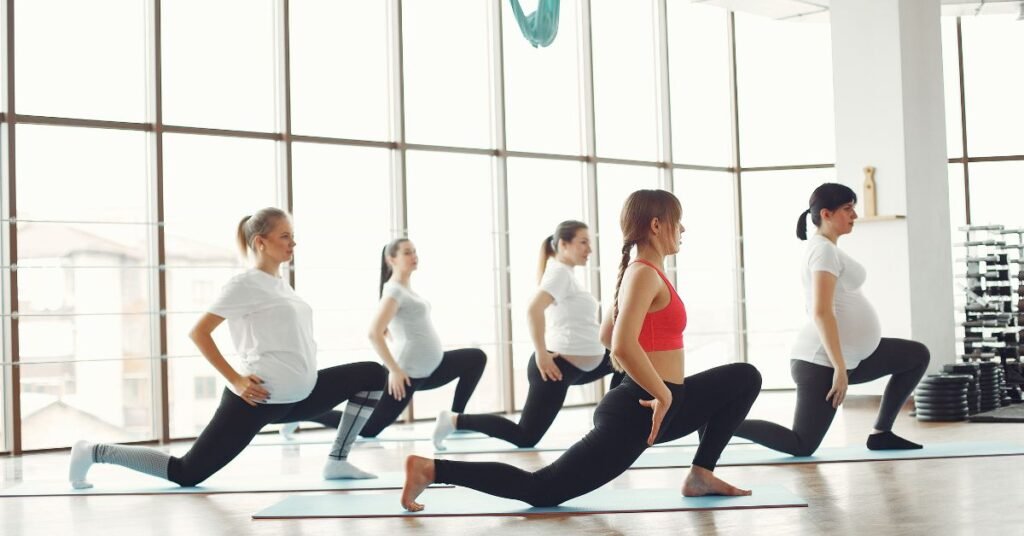
Pregnancy brings many exciting changes, but it can also come with unexpected discomforts—one of the most common being leg cramps. These sudden, painful muscle contractions often occur at night and can disrupt sleep, making an already challenging time even more exhausting. While factors such as increased weight, changes in circulation, and nutritional imbalances may contribute to leg cramps during pregnancy, gentle yoga can offer quick and natural relief. Yoga poses and stretching techniques that may help ease leg cramps instantly, improve blood flow, reduce muscle tension, and promote overall comfort during pregnancy. Whether you’re experiencing occasional cramps or frequent discomfort, these pregnancy-safe yoga practices can help you feel more relaxed and supported throughout your journey. Understanding Leg Cramps During Pregnancy Leg cramps are a common pregnancy symptom, especially during the second and third trimesters. They often occur in the calves, feet, or thighs and can strike suddenly, particularly at night. While the exact cause is not always clear, factors such as increased pressure on blood vessels, changes in circulation, muscle fatigue, dehydration, and low levels of certain minerals like magnesium or calcium may contribute to these painful spasms. Although leg cramps are usually harmless, they can be uncomfortable and disrupt sleep, making it important for expectant mothers to find safe and effective ways to manage and prevent them. Is Yoga During Pregnancy Really Helpful? Yes, yoga can be highly beneficial during pregnancy when practiced safely and under proper guidance. Prenatal yoga combines gentle stretching, controlled breathing, and relaxation techniques that help improve flexibility, circulation, and muscle strength while reducing stress and physical discomfort. For pregnant women experiencing leg cramps, yoga may help by increasing blood flow to the legs, relieving muscle tension, and promoting better posture and body alignment. Regular practice can also support overall well-being, improve sleep quality, and prepare the body for labor and delivery, making it a valuable addition to a healthy pregnancy routine. Here Are 5 Yoga Asanas to Relieve Legs Cramps During Pregnancy Butterfly Pose (Baddha Konasana) Butterfly Pose is a gentle seated stretch that helps improve blood circulation in the lower body and reduces tension in the thighs and calves. It can ease stiffness in the hips and groin while promoting relaxation. This pose is particularly beneficial during pregnancy because it supports pelvic flexibility and may help reduce leg discomfort. Practice it slowly and avoid forcing the stretch. How to Do It Sit on a yoga mat with your back straight. Bend your knees and bring the soles of your feet together. Hold your feet with both hands. Gently move your knees up and down like butterfly wings. Continue for 30–60 seconds while breathing deeply. Cat-Cow Pose (Marjaryasana-Bitilasana) Cat-Cow Pose helps improve circulation throughout the body while relieving muscle tightness and improving spinal flexibility. The gentle movement encourages blood flow to the legs, which may help reduce cramping. It also eases lower back discomfort commonly experienced during pregnancy. Move slowly and coordinate each movement with your breath. How to Do It Start on your hands and knees in a tabletop position. Inhale and arch your back while lifting your head and tailbone (Cow Pose). Exhale and round your spine, tucking your chin toward your chest (Cat Pose). Continue flowing between the two positions slowly. Repeat for 8–10 breaths. Standing Calf Stretch A Standing Calf Stretch directly targets the calf muscles, where pregnancy-related cramps often occur. This simple stretch helps lengthen tight muscles and improve blood circulation in the lower legs. Regular practice may reduce the frequency and intensity of nighttime leg cramps. Use a wall for support to maintain balance. How to Do It Stand facing a wall and place both hands on it. Step one foot back while keeping the heel on the floor. Bend the front knee slightly and lean forward. Feel a gentle stretch in the back calf. Hold for 20–30 seconds and switch sides. Legs-Up-the-Wall Pose (Modified Viparita Karani) This restorative pose helps reduce swelling, fatigue, and muscle tension in the legs. Elevating the legs encourages healthy blood circulation and may provide quick relief from cramping. During pregnancy, use a modified version by keeping your hips comfortable and avoiding strain. Always stop if you feel dizzy or uncomfortable. How to Do It Sit sideways next to a wall. Slowly turn and extend your legs up against the wall. Keep your back and shoulders relaxed on the floor. Rest your arms comfortably by your sides. Stay in the pose for 3–5 minutes while breathing gently. Child’s Pose (Modified Balasana) Modified Child’s Pose is a calming stretch that relaxes the entire body, including the legs, hips, and lower back. It helps release muscle tension and encourages deep breathing, which can reduce discomfort associated with cramps. Using a wide-knee variation makes it more comfortable during pregnancy. This pose is excellent for relaxation before bedtime. How to Do It Kneel on the floor with your knees wider than hip-width apart. Sit your hips back toward your heels comfortably. Stretch your arms forward and lower your chest gently. Rest your forehead on the mat or a cushion. Hold the pose for 30–60 seconds while breathing deeply. Final Thoughts on Yoga for Leg Cramps During Pregnancy Leg cramps can be an uncomfortable and frustrating part of pregnancy, but incorporating gentle yoga into your daily routine may help provide relief and improve overall comfort. Poses such as Butterfly Pose, Cat-Cow, Standing Calf Stretch, Legs-Up-the-Wall, and Modified Child’s Pose can help enhance circulation, reduce muscle tension, and support relaxation. Along with staying hydrated, maintaining a balanced diet, and getting adequate rest, these pregnancy-safe yoga asanas can contribute to better physical well-being throughout your pregnancy journey. Always listen to your body and consult your healthcare provider before beginning any new exercise routine to ensure it is safe for you and your baby. Join us at Body and Mind Yoga Center, where our specialized online prenatal yoga classes in Dubai provide a nurturing environment for mothers-to-be to connect with their bodies and their growing babies.
Is It Safe to Do Yoga Daily During Pregnancy?
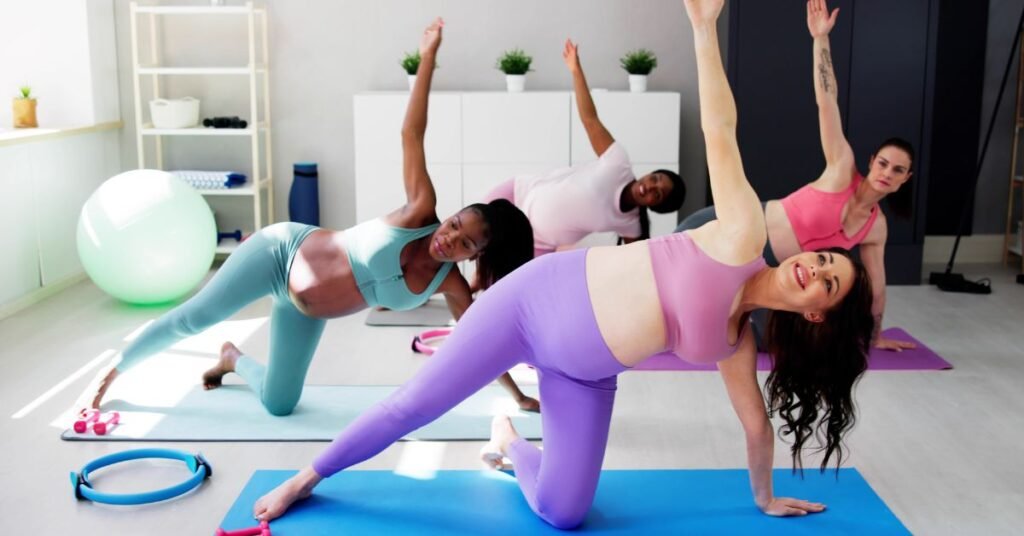
Pregnancy is a beautiful journey filled with excitement, changes, and plenty of questions about staying healthy and active. One common concern many expecting mothers have is whether practicing yoga every day is safe during pregnancy. Since yoga is known for improving flexibility, reducing stress, and promoting overall wellness, it’s no surprise that many women turn to it for support during this special phase of life. But is daily yoga truly beneficial for both mother and baby? The answer depends on factors like the stage of pregnancy, the type of yoga practiced, and individual health conditions. In this blog, we’ll explore the safety of doing yoga daily during pregnancy, its potential benefits, precautions to keep in mind, and expert tips to ensure a safe and comfortable practice throughout all three trimesters. What Is Prenatal Yoga? Prenatal yoga is a specially designed form of yoga created to support women during pregnancy by focusing on gentle stretching, controlled breathing, relaxation, and safe physical postures. Unlike regular yoga, prenatal yoga avoids intense movements and positions that may put pressure on the abdomen, making it safer and more comfortable for expecting mothers. It helps improve flexibility, reduce stress, ease common pregnancy discomforts like back pain and swelling, and prepare the body and mind for labor and childbirth. Prenatal yoga classes are usually tailored to each trimester, ensuring both mother and baby remain safe while promoting overall well-being throughout pregnancy. Is Prenatal Yoga Safe For All Trimesters? Yes, prenatal yoga is generally considered safe for all three trimesters when practiced correctly and under proper guidance. In the first trimester, gentle yoga can help reduce fatigue, nausea, and stress, while in the second trimester, it supports flexibility, balance, and posture as the body changes. During the third trimester, prenatal yoga focuses more on relaxation, breathing techniques, and preparing the body for labor and delivery. However, certain poses and movements should be avoided at different stages of pregnancy, such as deep twists, intense backbends, or exercises that put pressure on the abdomen. It is always important for pregnant women to consult their healthcare provider before starting prenatal yoga and to practice with a certified instructor who understands pregnancy-safe modifications. Can Prenatal Yoga Help During Labour And Delivery? Yes, prenatal yoga can be very helpful during labour and delivery by improving breathing control, flexibility, and mental relaxation. The breathing techniques learned in prenatal yoga can help mothers stay calm, manage contractions better, and reduce anxiety during childbirth. Prenatal yoga also strengthens the pelvic muscles, lower back, and legs, which can support the body during labour. Regular practice may improve stamina and body awareness, helping women feel more confident and prepared for the delivery process. When Is The Best Time To Start Pregnancy Yoga Classes? The best time to start pregnancy yoga classes is usually during the second trimester, after the first 12 weeks of pregnancy. This is because early pregnancy can bring fatigue, nausea, and a higher risk of complications for some women. However, women who were already practicing yoga before pregnancy may continue with gentle modifications during the first trimester after consulting their doctor. Starting prenatal yoga in the second trimester helps the body adjust safely to physical changes while improving flexibility, posture, and relaxation. It is important to choose classes specifically designed for pregnant women and guided by a certified prenatal yoga instructor. Here are Best Prenatal Yoga Poses Practice During Pregnancy Child Pose (Balasana) Child Pose, or Balasana, is one of the most relaxing yoga asanas. It is a gentle stretch for the hips, thighs, and back. This asana is an excellent way to calm your mind and release tension in the body, making it the perfect pose to start your morning. How to Do It: Begin on your hands and knees in a tabletop position. Align your wrists under your shoulders and knees under your hips. Exhale and slowly lower your hips back towards your heels. Your big toes should touch while your knees can be as wide apart as comfortable. Stretch your arms forward on the mat, palms facing down, or keep them alongside your body with palms facing up. Allow your forehead to rest gently on the mat, relaxing your neck. Hold this position for 30 seconds to a minute, breathing deeply. Bridge Pose (Setu Bandhasana) Bridge Pose is a gentle backbend that strengthens the legs, glutes, and lower back. It is also known to open the chest and improve flexibility in the spine, making it a great way to wake up your body in the morning. How to Do It: Begin by lying on your back with your knees bent and feet flat on the mat, hip-width apart. Your arms should rest alongside your body, palms facing down. Press your feet into the mat and slowly lift your hips towards the ceiling, creating a gentle arch in your back. Clasp your hands under your back and press your arms into the mat for additional support. Keep your thighs parallel and ensure that your knees do not splay outwards. Hold the pose for 30 seconds, breathing deeply, before slowly lowering your hips back to the mat. Cobra Pose (Bhujangasana) Cobra Pose is a powerful heart opener that stretches the chest, shoulders, and abdomen while strengthening the spine. This pose is a great way to energize your body and improve your posture, especially if you tend to spend long hours sitting. How to Do It: Begin by lying face down on the mat with your legs extended straight behind you and your palms placed under your shoulders. Press your feet and legs firmly into the mat, keeping your thighs engaged. Inhale as you slowly lift your chest off the mat, using the strength of your back and arms. Keep your elbows slightly bent and your shoulders relaxed. Lift your chest as high as comfortable while keeping your lower ribs grounded. Hold the pose for 15 to 30 seconds, breathing deeply, before gently lowering back down to the mat. Boat Pose (Navasana) Boat Pose
How Prenatal Yoga Affects Hormones and Stress Levels?
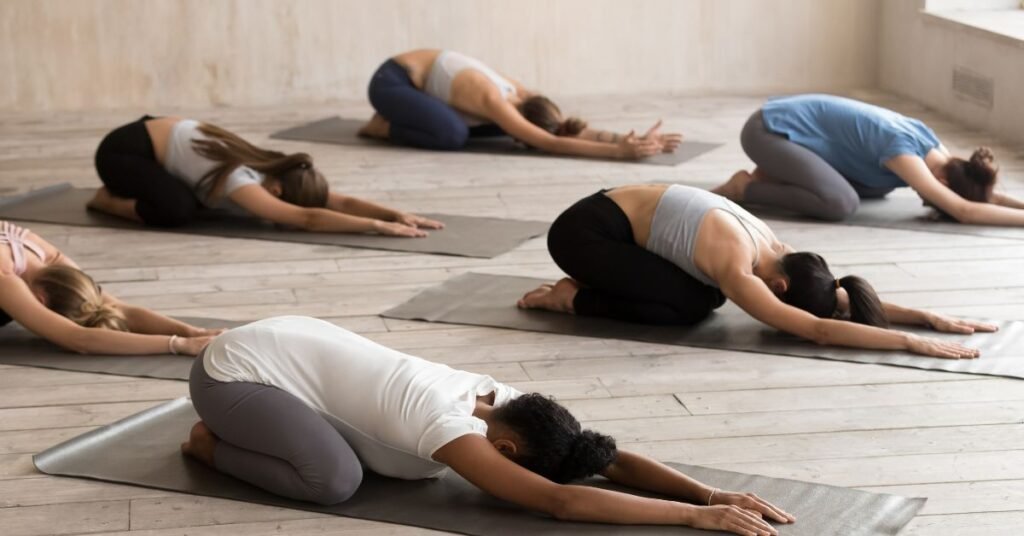
Pregnancy is a transformative journey that brings profound physical, emotional, and hormonal changes. As the body adapts to support a growing baby, fluctuations in hormones such as estrogen, progesterone, cortisol, and relaxation can influence everything from mood and energy levels to sleep quality and stress responses. While these changes are a natural part of pregnancy, they can sometimes leave expectant mothers feeling overwhelmed, anxious, or physically uncomfortable. Prenatal yoga has emerged as a gentle yet effective practice for supporting maternal well-being during this important stage of life. Combining mindful movement, controlled breathing, relaxation techniques, and meditation, prenatal yoga is specifically designed to meet the unique needs of pregnant women. Beyond improving flexibility and reducing physical discomfort, research suggests that regular prenatal yoga practice may help regulate stress hormones, promote emotional balance, and encourage a healthier mind-body connection. What Is Prenatal Yoga? Prenatal yoga is a specialized form of yoga designed to support the physical and emotional well-being of pregnant women. It combines gentle stretches, safe yoga poses, breathing exercises, and relaxation techniques that accommodate the body’s changing needs during pregnancy. The practice helps improve flexibility, reduce common pregnancy discomforts, and promote better posture and circulation. Additionally, prenatal yoga encourages mindfulness and stress management, helping expectant mothers feel more relaxed and prepared for childbirth. How Prenatal Yoga Affects Hormones and Stress Levels? Lowers Cortisol (Stress Hormone) Levels Prenatal yoga helps reduce the production of cortisol, the hormone associated with stress. Through controlled breathing and relaxation techniques, the body enters a calmer state, decreasing feelings of anxiety and tension. Increases Oxytocin Production Regular prenatal yoga practice may stimulate the release of oxytocin, often called the “love hormone.” Higher oxytocin levels can promote emotional well-being, strengthen maternal bonding, and create a greater sense of calm. Boosts Endorphin Levels Gentle movement and mindful exercise encourage the release of endorphins, the body’s natural mood-enhancing chemicals. These hormones help reduce stress, improve mood, and support emotional balance during pregnancy. Improves Sleep-Related Hormone Regulation Prenatal yoga promotes relaxation and better sleep quality, which supports the natural regulation of hormones involved in sleep and recovery. Better rest can reduce fatigue, irritability, and stress throughout pregnancy. Calms the Nervous System Breathing exercises and meditation activate the parasympathetic nervous system, often referred to as the “rest-and-digest” system. This response lowers heart rate, reduces stress hormone activity, and promotes overall relaxation. Enhances Emotional Stability By balancing stress hormones and encouraging mindfulness, prenatal yoga helps manage mood swings and emotional fluctuations caused by pregnancy-related hormonal changes. This can lead to improved mental well-being and greater resilience to daily stressors. Here 5 Prenatal Yoga Poses for Stress Relief and Hormonal Balance Bridge Pose (Setu Bandhasana) Bridge Pose strengthens the back, stimulates the thyroid gland, and improves blood circulation to the pelvic region. It helps balance hormones related to metabolism and reproductive health while calming the mind. How to Do It: Lie on your back with knees bent and feet hip-width apart. Place your arms beside your body, palms facing down. Inhale and lift your hips toward the ceiling. Keep your shoulders and neck relaxed as you hold the pose. Exhale slowly and lower your hips back down. Cobra Pose (Bhujangasana) Cobra Pose activates the adrenal glands, enhances blood flow, and energizes the body. It reduces stress and fatigue, promoting hormonal harmony and emotional balance. How to Do It: Lie flat on your stomach with palms under your shoulders. Keep your legs together and toes pointed. Inhale and gently lift your chest off the floor, keeping your elbows slightly bent. Open your chest and look upward without straining the neck. Exhale and slowly return to the starting position. Child’s Pose (Balasana) This restorative pose relaxes the body, calms the mind, and reduces cortisol levels. It is excellent for stress relief, which helps stabilize hormonal activity naturally. How to Do It: Kneel on the mat and sit back on your heels. Separate your knees slightly, keeping your big toes together. Exhale and bend forward, resting your forehead on the mat. Stretch your arms forward or place them alongside your body. Breathe deeply and stay in this pose for a few minutes. Butterfly Pose (Baddha Konasana) Butterfly Pose enhances circulation in the pelvic area, supporting reproductive and hormonal health. It also eases menstrual discomfort and promotes relaxation. How to Do It: Sit on the floor with your legs extended. Bend your knees and bring the soles of your feet together. Hold your feet with your hands and sit upright. Inhale deeply, then exhale as you gently press your knees toward the ground. Maintain steady breathing while holding the pose for 30–60 seconds. Legs-Up-the-Wall Pose (Viparita Karani) This gentle inversion improves blood flow, relieves fatigue, and calms the nervous system. It supports hormonal balance by reducing stress and improving circulation to the endocrine glands. How to Do It: Sit close to a wall and lie on your back. Swing your legs up so they rest vertically against the wall. Keep your arms relaxed at your sides with palms facing up. Close your eyes and breathe slowly and deeply. Stay in the pose for 5–10 minutes, then gently roll to one side to exit. Prenatal Yoga Supports Hormonal and Emotional Health Prenatal yoga offers more than just physical exercise—it supports hormonal balance and helps manage stress during pregnancy through mindful movement, breathing techniques, and relaxation practices. By reducing cortisol levels, promoting positive hormones like oxytocin and endorphins, and calming the nervous system, prenatal yoga can enhance both emotional and physical well-being. Regular practice may help expectant mothers feel more relaxed, confident, and connected to their changing bodies. When practiced safely, prenatal yoga can be a valuable tool for creating a healthier and more positive pregnancy experience. Join us at Body and Mind Yoga Center, where our specialized prenatal yoga classes in Dubai provide a nurturing environment for mothers-to-be to connect with their bodies and their growing babies.
When to Start Prenatal Yoga & How Often to Practice?
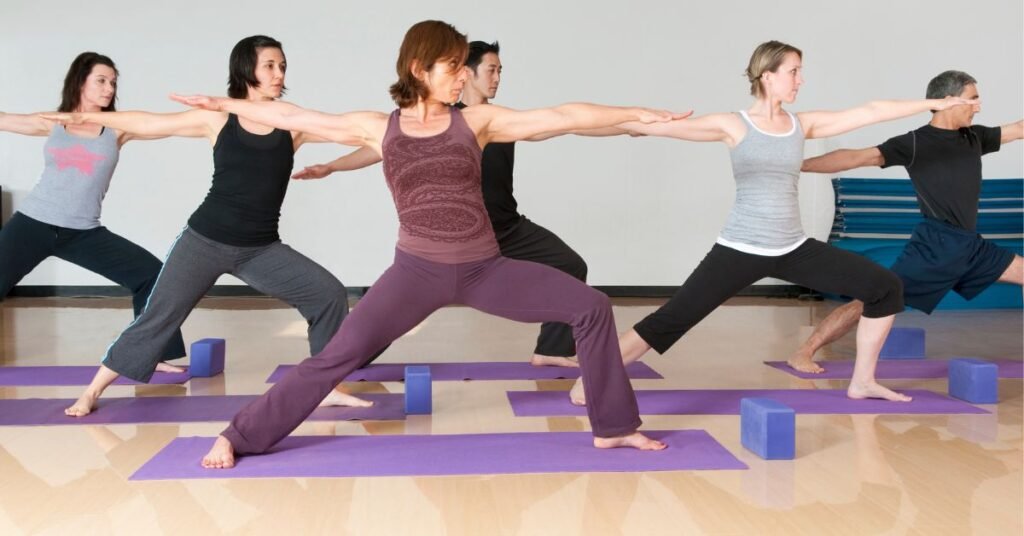
Prenatal yoga is a gentle, supportive practice designed to help expectant mothers stay active, calm, and connected throughout pregnancy. As your body changes and your baby grows, it’s natural to wonder when it’s safe to begin prenatal yoga and how often you should practice to get the most benefit without overdoing it. Whether you’re new to yoga or adapting an existing practice for pregnancy, understanding the right timing and frequency can make your journey more comfortable and confident. Why Prenatal Yoga Important in a Healthy Pregnancy? Prenatal yoga plays an important role in supporting a healthy pregnancy by gently strengthening the body, improving flexibility, and easing common discomforts such as back pain, swelling, and fatigue. Beyond the physical benefits, it encourages mindful breathing and relaxation, which can help reduce stress, improve sleep, and prepare the mind for labor and childbirth. By fostering a deeper connection between mother and baby, prenatal yoga also supports emotional well-being, helping expectant mothers feel more balanced, confident, and empowered throughout their pregnancy journey. When to Start Prenatal Yoga? Most expectant mothers can begin prenatal yoga as early as the first trimester, provided they have their healthcare provider’s approval and are feeling comfortable enough to exercise. Many women choose to start during the second trimester, when early pregnancy symptoms like nausea and fatigue often ease and energy levels improve. Regardless of when you begin, the key is to listen to your body, move gently, and choose classes or routines specifically designed for pregnancy to ensure safety and maximum benefit for both mother and baby. How Often Should You Do Prenatal Yoga Classes? For most healthy pregnancies, practicing prenatal yoga two to three times per week offers an ideal balance of movement, strength, and relaxation. This frequency helps maintain flexibility, reduce pregnancy-related aches, and build stamina without placing unnecessary strain on the body. Some women may enjoy gentle daily sessions focused on stretching and breathing, while others may prefer fewer classes depending on energy levels and trimester. As always, consistency matters more than intensity, and it’s best to adjust your routine based on how your body feels and any guidance from your healthcare provider. 5 Safe and Commonly Recommended Prenatal Yoga Poses Cat–Cow Pose Cat–Cow gently stretches the spine and relieves tension in the back and neck. It also encourages mindful breathing and improves spinal flexibility during pregnancy. How to Do It: Start on all fours with wrists under shoulders and knees under hips. Inhale, drop your belly, lift your chest, and look slightly upward (Cow). Exhale, round your spine and gently tuck your chin (Cat). Move slowly between Cow and Cat with your breath. Repeat for 5–10 rounds, staying relaxed. Child’s Pose This calming pose helps reduce lower back tension and promotes relaxation. A wide-knee variation makes it comfortable and safe for a growing belly. How to Do It: Kneel on the mat with knees wide apart and big toes touching. Sit back on your heels and slowly fold forward. Rest your torso between your thighs, supporting your head with a block or pillow. Extend arms forward or place them alongside your body. Breathe deeply and hold for 5–8 breaths. Goddess Pose Goddess Pose strengthens the legs and pelvic floor while improving balance and stability. It also helps prepare the body for labor by opening the hips. How to Do It: Stand with feet wide apart and toes turned slightly outward. Bend your knees, lowering into a squat-like position. Keep your spine upright and shoulders relaxed. Bring hands to your heart or raise arms with elbows bent. Hold for several breaths, then slowly straighten the legs. Squat Pose (Malasana) A supported squat strengthens the lower body and improves pelvic flexibility. It can be especially helpful in preparing for childbirth when practiced mindfully. How to Do It: Stand with feet wider than hips and toes slightly turned out. Lower into a squat, keeping heels grounded (use a block under heels if needed). Bring hands together at the chest for balance. Keep your chest lifted and spine long. Hold for a few breaths, then rise slowly. Seated Butterfly Pose This gentle seated pose helps open the hips and ease tension in the lower back while promoting relaxation. It is simple, calming, and safe for most stages of pregnancy. How to Do It: Sit upright on a mat or cushion with your spine tall. Bring the soles of your feet together and let your knees drop outward comfortably. Hold your feet or ankles gently with your hands. Keep your chest open and shoulders relaxed as you breathe deeply. Stay in the pose for 5–10 slow breaths, then release gently. Embrace Prenatal Yoga for a Healthy and Balanced Pregnancy Prenatal yoga is a gentle yet powerful way to support your body and mind throughout pregnancy. By starting at the right time, practicing at a comfortable frequency, and choosing safe, pregnancy-friendly poses, you can enjoy improved strength, flexibility, relaxation, and emotional balance as your body changes. Most importantly, prenatal yoga encourages you to slow down, listen to your body, and build a deeper connection with your baby. With consistency, mindfulness, and guidance from your healthcare provider, this practice can become a nurturing part of a healthy and positive pregnancy journey. Join us at Body and Mind Yoga Center, where our specialized prenatal yoga classes in Dubai provide a nurturing environment for mothers-to-be to connect with their bodies and their growing babies.
How Yoga Helps Regulate Menstrual Cycles Naturally?
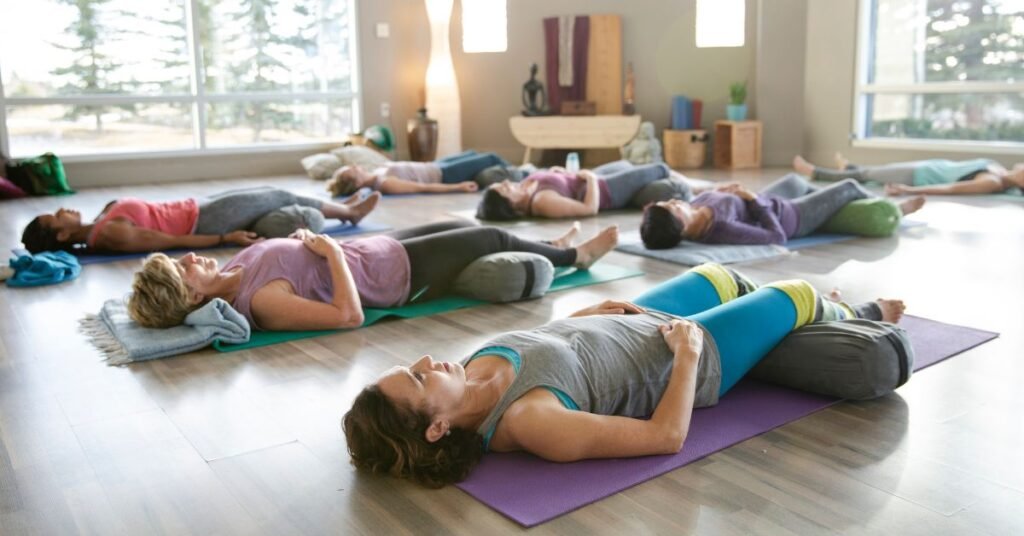
Irregular menstrual cycles are a common concern for many women, often linked to stress, hormonal imbalances, and lifestyle factors. While medical treatments are available, there is a growing interest in natural approaches that support the body’s own rhythm. Among these, yoga stands out as a gentle yet powerful practice that nurtures both physical and emotional well-being. By combining mindful movement, controlled breathing, and relaxation techniques, yoga helps reduce stress levels, improve blood circulation, and support hormonal balance—all of which play a crucial role in regulating the menstrual cycle. Rather than offering a quick fix, yoga works holistically, addressing the root causes of irregularity and promoting long-term reproductive health. Incorporating simple yoga practices into your daily routine can help restore balance, ease menstrual discomfort, and encourage a more regular cycle naturally and sustainably. How Yoga Helps with Irregular Periods? Yoga can support more regular periods by addressing the underlying factors that often disrupt the menstrual cycle such as stress, hormonal imbalances, poor circulation, and a sedentary lifestyle. Certain yoga poses gently stimulate the reproductive organs, improve blood flow in the pelvic region, and promote a healthier endocrine system, which is responsible for hormone regulation. Breathing practices like pranayama help relax the nervous system and reduce cortisol levels, a stress hormone that can interfere with cycle regularity. Yoga helps decrease inflammation, supports better digestion, and releases built-up tension in the hips and lower abdomen—all of which contribute to improved menstrual health. With regular practice, yoga fosters a sense of balance between the mind and body, encouraging more consistent cycles and reducing discomfort over time. Here Are 5 Yoga Poses Helps Regulate Menstrual Cycles Naturally Supta Baddha Konasana (Reclining Bound Angle Pose) Supta Baddha Konasana deeply relaxes the pelvic muscles while improving blood flow to the reproductive organs. It helps reduce stress and supports hormonal balance, making it beneficial for irregular periods. The pose also releases tension in the hips and lower abdomen, promoting overall menstrual wellness. How to Do It : Sit on the floor with your knees bent and feet together. Allow your knees to drop outward, forming a diamond shape with your legs. Slowly recline back using your elbows until your back rests on the floor. Place your hands beside your body or on your belly. Close your eyes and breathe deeply, relaxing into the pose. Bhujangasana (Cobra Pose) Bhujangasana strengthens the spine and massages the abdominal organs, which supports reproductive health. It helps stimulate the ovaries and enhances circulation to the pelvic region. This pose also boosts energy and reduces stress, both of which are important for maintaining a regular menstrual cycle. How to Do It : Lie on your stomach with legs extended and palms under your shoulders. Press the tops of your feet into the mat. Inhale and gently lift your chest off the floor using back strength. Keep your elbows slightly bent and shoulders relaxed. Hold for a few breaths, then slowly lower down. Balasana (Child’s Pose) Balasana is a calming pose that gently stretches the hips, thighs, and lower back. It relaxes the nervous system, helping reduce stress, a major cause of irregular periods. The pose promotes emotional balance and soothes menstrual discomfort. How to Do It : Kneel on the floor and sit back on your heels. Separate your knees slightly apart. Fold forward, extending your arms in front of you. Rest your forehead on the mat. Breathe slowly and allow your body to relax. Dhanurasana (Bow Pose) Dhanurasana stretches the entire front body and stimulates reproductive organs, helping regulate hormonal activity. It improves pelvic blood circulation and reduces menstrual irregularities. This pose also strengthens the back and improves overall flexibility. How to Do It : Lie on your stomach with your arms by your sides. Bend your knees and reach back to hold your ankles. Inhale and lift your chest and legs off the floor. Allow your body to form a gentle bow shape. Hold briefly, then release slowly. Paschimottanasana (Seated Forward Bend) Paschimottanasana helps calm the mind and reduce stress, which directly impacts menstrual regularity. The pose stretches the lower abdomen, hips, and spine, supporting reproductive organ function. It also improves digestion, another factor linked to irregular cycles. How to Do It : Sit with your legs extended straight in front of you. Inhale and lengthen your spine upward. Exhale and slowly bend forward from your hips. Reach for your feet or shins, keeping your back long. Hold the pose gently while breathing deeply. Embracing Harmony: A Natural Path to Regular Periods Managing irregular periods doesn’t always require complex solutions—sometimes, consistent and mindful practices like yoga can make a meaningful difference. By helping to reduce stress, support hormonal balance, and improve overall circulation, yoga works gently with your body rather than against it. Over time, this natural approach can lead to more regular cycles, reduced discomfort, and a stronger sense of physical and emotional well-being. While yoga is not a substitute for medical advice in severe cases, it can be a powerful complementary practice that empowers you to take charge of your health. By incorporating simple yoga routines into your daily life, you create space for balance, awareness, and long-term wellness—one breath at a time. Join us at Body and Mind Yoga Center, where our specialized prenatal yoga classes in Dubai provide a nurturing environment for mothers-to-be to connect with their bodies and their growing babies.
How to Reduce Swelling During Pregnancy with Yoga?
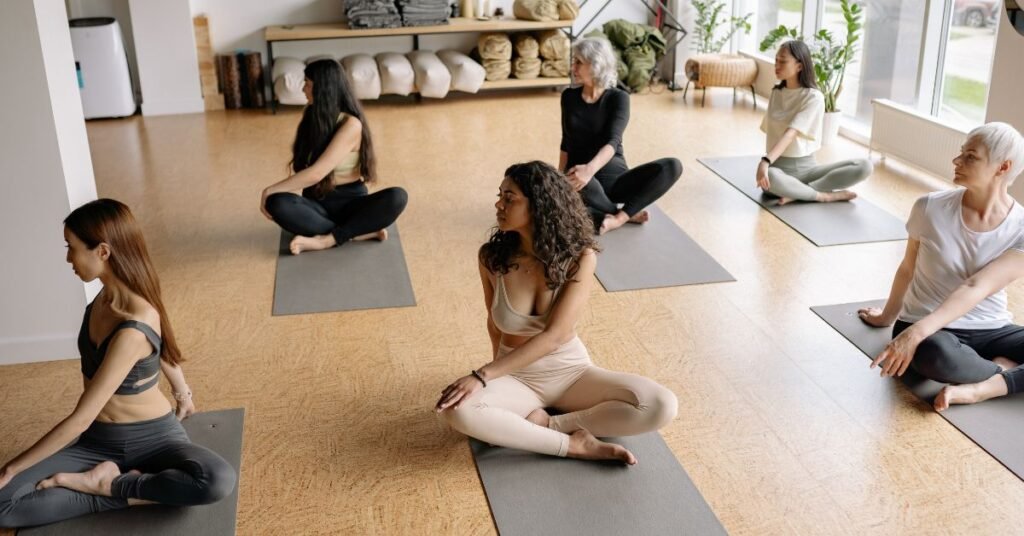
Pregnancy is a beautiful journey, but it often comes with its fair share of physical discomforts—one of the most common being swelling, also known as edema. As the body works overtime to support the growing baby, fluid retention in the feet, ankles, and hands can leave many expecting mothers feeling heavy, tired, and uneasy. While this is a natural part of pregnancy, it doesn’t mean you have to simply endure it. Gentle, mindful movement can make a meaningful difference—and that’s where yoga comes in. Rooted in balance and awareness, prenatal yoga offers safe, effective ways to improve circulation, reduce fluid buildup, and bring a sense of lightness back to your body. Beyond the physical benefits, it also helps calm the mind and deepen your connection with your changing body. In this blog, we’ll explore how specific yoga practices can help reduce swelling during pregnancy, along with simple techniques you can incorporate into your daily routine for greater comfort and well-being. What Causes Swelling and Poor Circulation? Water Retention and Hormonal Changes During pregnancy, hormonal shifts—especially increased progesterone—cause the body to retain more fluids than usual. This extra fluid helps support the growing baby and maintain healthy amniotic levels. However, it can also accumulate in tissues, leading to noticeable swelling in the hands, feet, and ankles. These hormonal changes can also relax blood vessel walls, making fluid buildup more likely. Pressure on Blood Vessels and Veins As the uterus expands, it puts pressure on major blood vessels, particularly the veins that return blood from the lower body to the heart. This pressure slows down circulation, causing blood and fluids to pool in the legs and feet. The reduced efficiency of blood flow can lead to swelling and a feeling of heaviness. It may also increase the risk of developing varicose veins during pregnancy. Reduced Mobility and Physical Activity Many pregnant women naturally become less active due to fatigue, discomfort, or safety concerns. Sitting or standing for long periods without movement can slow circulation and encourage fluid buildup in the lower extremities. Without regular muscle movement to help pump blood back to the heart, swelling can worsen. Gentle activities like walking or prenatal yoga can significantly improve circulation. Increased Blood Volume During pregnancy, blood volume increases by up to 50% to support the developing baby. While this is essential for delivering oxygen and nutrients, it also puts extra pressure on the circulatory system. The body may struggle to efficiently move this increased volume, especially in the later stages of pregnancy. As a result, excess fluid can leak into surrounding tissues, causing swelling. How Prenatal Yoga Helps Reduce Swelling and Improve Circulation? Improved Blood Circulation Prenatal yoga encourages gentle movement and mindful breathing, which helps improve blood flow throughout the body. Better circulation prevents blood from pooling in the lower limbs, reducing swelling and discomfort. Reduction of Fluid Retention Certain yoga poses support lymphatic drainage, helping the body naturally eliminate excess fluids. This can significantly reduce puffiness in the feet, ankles, and hands. Enhanced Relaxation and Stress Relief Yoga promotes deep relaxation, which helps regulate stress hormones that may contribute to inflammation and fluid retention. A calmer body functions more efficiently, supporting better overall circulation. Gentle Stretching and Muscle Activation Soft stretches and controlled movements activate muscles, especially in the legs, aiding the natural pumping of blood back to the heart. This helps minimize fluid buildup and keeps the body feeling lighter and more comfortable. Prenatal Yoga Poses for Swelling and Circulation During Pregnancy Legs Up the Wall (Viparita Karani) This restorative pose helps drain excess fluid from the legs and feet by using gravity. It promotes blood circulation back toward the heart and provides deep relaxation. It’s especially helpful after a long day of standing or sitting. How to Do It: Sit sideways next to a wall with one hip touching it. Gently swing your legs up the wall as you lie down on your back. Place a pillow or bolster under your hips for support. Keep your arms relaxed by your sides, palms facing up. Stay in the pose for 5–10 minutes while breathing deeply. Cat-Cow Stretch (Marjaryasana-Bitilasana) This gentle flow between two poses improves spinal flexibility and stimulates blood circulation. It also relieves tension in the back and encourages fluid movement in the body. The rhythmic motion supports overall relaxation and mobility. How to Do It: Start on your hands and knees in a tabletop position. Inhale, drop your belly and lift your chest and tailbone (Cow Pose). Exhale, round your spine and tuck your chin (Cat Pose). Move slowly with your breath, repeating the flow. Continue for 5–10 rounds, keeping movements gentle. Supported Bridge Pose (Setu Bandhasana) Supported Bridge Pose helps open the chest and improve circulation in the lower body. Elevating the hips encourages blood flow away from swollen feet and ankles. It also gently strengthens the back and relieves lower body pressure. How to Do It: Lie on your back with knees bent and feet hip-width apart. Press your feet into the floor and lift your hips slightly. Place a yoga block or cushion under your hips for support. Relax your body and keep your arms by your sides. Hold for 5–8 breaths, then slowly lower your hips. Bound Angle Pose (Baddha Konasana) This seated pose improves blood circulation in the pelvic area and inner thighs. It helps reduce fluid buildup in the lower body while promoting relaxation. With proper support, it’s safe and comfortable throughout pregnancy. How to Do It: Sit upright with your spine straight. Bring the soles of your feet together and let your knees drop outward. Place cushions under your knees for support if needed. Hold your feet and gently lengthen your spine. Stay in the pose for 1–2 minutes with slow breathing. Warrior II Pose (Virabhadrasana II) Warrior II strengthens the legs and improves blood circulation throughout the body. It activates muscles, helping prevent fluid from pooling in the lower limbs. This pose also builds stability and endurance during pregnancy.
Can You Start Yoga During Pregnancy? Expert Guide for Beginners
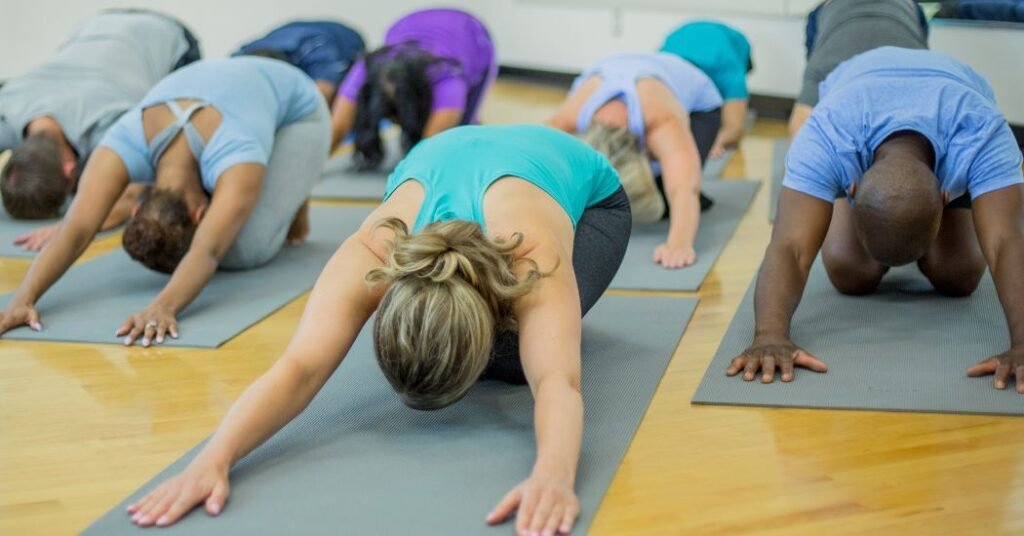
Pregnancy is a beautiful journey—but it also comes with plenty of questions, especially when it comes to staying active and healthy. One of the most common concerns many expecting mothers have is: Can you start yoga during pregnancy if you’ve never done it before? The good news is, yes—you can. Yoga can be a gentle, safe, and incredibly beneficial way to support your body and mind during pregnancy, even if you’re a complete beginner. From easing back pain to reducing stress and helping you prepare for childbirth, prenatal yoga offers a range of advantages when practiced correctly. However, it’s important to approach yoga during pregnancy with the right guidance, awareness, and precautions. Not all poses are suitable, and your body goes through significant changes that require a more mindful approach. Can You Start Yoga During Pregnancy? Yes, you can absolutely start yoga during pregnancy—even if you’ve never practiced it before. In fact, many women begin their yoga journey during this phase because of its gentle approach and wide range of benefits for both the body and mind. However, pregnancy is not the time to jump into intense or advanced yoga routines. Instead, it’s important to focus on prenatal yoga, which is specifically designed to support the changes your body goes through during pregnancy. These practices emphasize slow movements, controlled breathing, and relaxation—helping you stay active without putting unnecessary strain on your body. Before you begin, it’s always recommended to consult your doctor, especially if you have a high-risk pregnancy or any medical concerns. Once you get the green signal, you can start with simple, beginner-friendly poses and gradually build a routine that feels comfortable and safe. The key is to listen to your body. Every pregnancy is different, and what works for one person may not work for another. By practicing mindfully and choosing the right guidance, yoga can become a powerful tool to help you stay calm, strong, and connected throughout your pregnancy journey. What are the Benefits of Prenatal Yoga? Prenatal yoga offers a wide range of benefits that support both your physical health and emotional well-being during pregnancy. Unlike regular workouts, it focuses on gentle movements, breathing, and relaxation—making it an ideal practice for expecting mothers, even beginners. Improves Flexibility and Strength As your body changes, prenatal yoga helps maintain flexibility and build strength in key areas like the hips, back, and legs. This can make it easier to carry the extra weight and prepare your body for labor and delivery. Reduces Common Pregnancy Discomforts Many women experience back pain, swelling, and muscle tension during pregnancy. Gentle yoga stretches can help relieve these discomforts, improve posture, and promote better blood circulation. Supports Better Breathing for Labor Breathing techniques (pranayama) practiced in yoga can be incredibly helpful during labor. Learning how to control your breath can reduce pain perception, keep you calm, and improve oxygen flow to both you and your baby. Lowers Stress and Anxiety Pregnancy can bring emotional ups and downs. Prenatal yoga encourages mindfulness and relaxation, which can help reduce stress, calm the mind, and improve your overall mood. Improves Sleep Quality Regular practice can help relax your body and mind, making it easier to fall asleep and stay asleep—something many pregnant women struggle with. Builds a Deeper Connection with Your Baby Yoga encourages you to slow down and tune into your body. This mindful awareness can help you feel more connected to your baby and your pregnancy journey. Prepares You Mentally and Physically for Childbirth By combining movement, breathing, and relaxation, prenatal yoga helps you feel more confident and prepared for labor. It teaches you how to stay calm and focused, even during challenging moments. When Is It Safe to Start? The good news is that most women can start prenatal yoga at any stage of pregnancy—but the approach should vary depending on the trimester and your overall health. The key is to begin gently and always prioritize safety. First Trimester (Weeks 1–12) You can start yoga during the first trimester, but it’s important to keep your practice very gentle. Your body is going through major internal changes, and fatigue or nausea may be common. Focus on light stretching, breathing exercises, and relaxation rather than physical intensity. Read More : 10 Prenatal Yoga Poses for First Trimester of Pregnancy Second Trimester (Weeks 13–27) This is often considered the best time to begin prenatal yoga. Energy levels are usually higher, and your body has adjusted to pregnancy changes. You can practice more regularly, focusing on strength, flexibility, and posture—while still avoiding any risky movements. Read More : 5 Prenatal Yoga Poses for Second Trimester Third Trimester (Weeks 28–Birth) During this stage, yoga should be centered around relaxation, gentle movement, and breathing techniques that prepare you for labor. As your belly grows, balance and comfort become more important, so modifications and support (like cushions or blocks) are essential. Read More : 10 Prenatal Yoga Poses for Third Trimester of Pregnancy Regardless of when you start, always consult your doctor before beginning any new exercise routine. If you have a high-risk pregnancy or specific medical conditions, your healthcare provider can guide you on what’s safe for you. Best Prenatal Yoga Poses for Beginners (Pregnancy-Safe) If you’re new to yoga, starting with simple and pregnancy-safe poses is the best way to build confidence and stay comfortable. These gentle poses are designed to support your changing body, reduce discomfort, and help you relax—without putting unnecessary strain on you or your baby. Cat-Cow Stretch (Marjaryasana–Bitilasana) This gentle flowing movement helps relieve back pain and improves spinal flexibility. It also encourages deep breathing, which can be calming and beneficial throughout pregnancy. Butterfly Pose (Baddha Konasana) A great pose for opening the hips and improving flexibility in the pelvic area. It can help prepare your body for childbirth while also reducing tension in the lower body. Child’s Pose (Modified Balasana) This resting pose helps relax the mind and gently stretches the back and hips. During pregnancy, widen your knees to make
Yoga Asanas For Women’s Better Health
Yoga is more than just physical exercise—it’s a holistic approach to nurturing the body, mind, and spirit. For women, whose bodies go through unique hormonal cycles and life stages, yoga offers powerful support in maintaining balance, strength, and overall well-being. From managing stress and improving flexibility to supporting reproductive health and enhancing emotional resilience, yoga asanas can play a vital role in a woman’s daily routine. In today’s fast-paced world, women often juggle multiple responsibilities, leaving little time for self-care. Incorporating yoga into your lifestyle provides a gentle yet effective way to reconnect with yourself, boost energy levels, and promote long-term health. Whether you are a beginner or experienced practitioner, the right set of yoga poses can help address common concerns such as fatigue, menstrual discomfort, and mental stress. Can Regular Yoga Practice Improve Flexibility, Strength, and Overall Fitness in Women? Regular yoga practice can significantly improve flexibility, strength, and overall fitness in women by engaging the body in a balanced and holistic way. Through consistent stretching and movement, yoga helps lengthen muscles, increase joint mobility, and reduce stiffness, making the body more flexible over time. At the same time, many yoga poses rely on body weight to build strength, especially in the core, arms, legs, and back, leading to better muscle tone and endurance. Yoga enhances balance, posture, and coordination, which are essential for daily activities and injury prevention. It also supports cardiovascular health, boosts energy levels, and promotes better breathing. Beyond fitness, yoga plays a vital role in reducing stress and improving mental well-being, making it a complete wellness practice that helps women feel stronger, healthier, and more energized in their everyday lives. Here are 5 Yoga Asanas For Women’s Better Health Downward Facing Dog (Adho Mukha Svanasana) This is a full-body stretch that targets the arms, shoulders, hamstrings, and calves. It helps improve flexibility while also building strength in the upper and lower body. The pose enhances blood circulation and energizes the body. Regular practice can reduce stiffness and improve posture. How to Do It: Start on your hands and knees in a tabletop position. Tuck your toes under and lift your hips upward. Straighten your legs as much as comfortable. Keep your spine long and head relaxed between your arms. Hold the pose for a few breaths and return slowly. Warrior II (Virabhadrasana II) Warrior II is a powerful pose that strengthens the legs, hips, and core. It improves balance, stability, and body awareness. This pose also increases stamina and focus. Practicing it regularly helps tone the lower body and improve endurance. How to Do It: Stand straight and step one foot back. Bend your front knee at a 90-degree angle. Stretch your arms out parallel to the floor. Turn your head and gaze over your front hand. Hold the pose, then switch sides. Read More: Best 5 Yoga Poses for Women to Boost Fertility Goddess Pose (Utkata Konasana) Goddess Pose is excellent for strengthening the thighs, hips, and pelvic muscles. It helps improve posture and enhances lower-body endurance. This pose also promotes better circulation and stability. It is especially beneficial for building inner strength and confidence. How to Do It: Stand with your feet wide apart and toes turned outward. Bend your knees into a squat position. Keep your back straight and core engaged. Raise your arms with elbows bent at shoulder level. Hold the position while breathing steadily, then rise up. Read More: 5 Yoga Poses for Pregnancy to Ease Aches & Pains Bridge Pose (Setu Bandhasana) Bridge Pose strengthens the back, glutes, and legs while improving spine flexibility. It opens the chest and helps improve breathing capacity. This pose can reduce stress and fatigue. It is also helpful in improving posture and relieving lower back tension. How to Do It: Lie on your back with knees bent and feet flat on the floor. Keep your arms beside your body, palms facing down. Press your feet into the ground and lift your hips upward. Keep your shoulders and head relaxed on the floor. Hold for a few breaths, then slowly lower down. Tree Pose (Vrikshasana) Tree Pose is a balancing posture that strengthens the legs and improves focus. It enhances stability and body awareness. This pose also helps in improving posture and coordination. Regular practice can calm the mind and increase concentration. How to Do It: Stand tall with your feet together. Shift your weight onto one foot. Place the sole of the other foot on your inner thigh or calf. Bring your hands together in a prayer position. Hold the pose, then switch sides. Embracing Yoga for a Healthier, Stronger You Incorporating yoga into your daily routine can be a powerful step toward achieving better physical and mental well-being. As we’ve seen, simple yet effective yoga poses can help improve flexibility, build strength, and enhance overall fitness in women of all ages. Beyond the physical benefits, yoga also nurtures inner balance, reduces stress, and promotes a deeper connection with your body. Embrace these yoga poses regularly to foster a harmonious blend of strength, flexibility, and tranquility in your wellness routine. Want to learn Yoga? Visit Body and Mind Yoga Center, we provide the best yoga classes for women in Dubai with a variety of lessons suited to fit your needs and preferences.

