5 Daily Yoga Asanas to Boost Women’s Health Naturally

Women often juggle multiple roles managing careers, homes, relationships, and personal responsibilities often at the cost of their own well-being. Amid this constant hustle, taking even a few minutes each day to reconnect with your body and mind can make a powerful difference. That’s where yoga comes in not just as a form of exercise, but as a holistic practice that nurtures physical strength, emotional balance, and inner peace. Incorporating a few simple yoga asanas into your daily routine can help improve flexibility, boost energy levels, regulate hormones, and reduce stress naturally. The best part? You don’t need hours or a complicated setup—just consistency and a willingness to care for yourself. Yoga asanas that every woman can practice daily to support overall health and well-being—naturally and effortlessly. Read More: 5 Yoga Poses Every Pregnant Woman Can Practice Here are 5 Daily Yoga Asanas to Boost Women’s Health Naturally Tadasana (Mountain Pose) Tadasana is a simple yet powerful standing pose that forms the foundation of many yoga practices. It helps improve posture by aligning the spine, shoulders, and legs properly. This pose also strengthens the thighs and enhances body awareness. Practicing it daily can promote balance and stability in both body and mind. How to Do It: Stand straight with feet together and arms at your sides. Distribute your weight evenly on both feet. Inhale and raise your arms overhead, palms facing each other. Stretch your body upward, lifting your heels slightly if comfortable. Hold for a few breaths, then slowly return to the starting position. Bhujangasana (Cobra Pose) Bhujangasana is a gentle backbend that stretches the chest, shoulders, and abdomen. It helps strengthen the spine and improves flexibility, especially for those who sit for long hours. This pose also stimulates digestive organs and can help reduce stress and fatigue. Regular practice supports better posture and overall vitality. How to Do It: Lie on your stomach with legs extended and palms under shoulders. Keep elbows close to your body. Inhale and gently lift your chest off the floor. Keep your lower body grounded and shoulders relaxed. Hold for a few seconds, then exhale and lower down. Read More: Top 5 Yoga Poses for Women and Their Health Benefits Vrikshasana (Tree Pose) Vrikshasana is a balancing pose that improves concentration and mental focus. It strengthens the legs, ankles, and core while enhancing stability. This pose encourages mindfulness as you maintain balance and steady breathing. Practicing it regularly can help build both physical and emotional resilience. How to Do It: Stand straight and shift weight onto one foot. Place the sole of the other foot on your inner thigh or calf. Bring your hands together in a prayer position. Focus on a fixed point to maintain balance. Hold, then switch sides. Setu Bandhasana (Bridge Pose) Setu Bandhasana is a restorative backbend that strengthens the back, glutes, and legs. It opens up the chest and improves blood circulation throughout the body. This pose is also known to calm the mind and reduce anxiety. With consistent practice, it can help relieve fatigue and improve overall energy levels. How to Do It: Lie on your back with knees bent and feet hip-width apart. Keep arms alongside your body, palms facing down. Inhale and lift your hips toward the ceiling. Press your feet and shoulders firmly into the ground. Hold, then slowly lower your hips back down. Balasana (Child’s Pose) Balasana is a relaxing pose that allows the body to rest and recover. It gently stretches the back, hips, and thighs while calming the nervous system. This pose is perfect for relieving stress, tension, and mental fatigue. Incorporating it into your routine promotes deep relaxation and emotional balance. How to Do It: Kneel on the floor and sit back on your heels. Bend forward and rest your forehead on the mat. Extend arms forward or keep them alongside your body. Relax your shoulders and breathe deeply. Stay in the pose for a few breaths and slowly come up. Make Yoga a Daily Habit for Lasting Health Incorporating these simple yoga asanas into your daily routine can be a powerful step toward improving your overall health and well-being. Each pose offers unique benefits—from strengthening your body and improving flexibility to calming your mind and reducing stress. The key is consistency; even a few minutes of mindful practice each day can create lasting positive changes. Remember, yoga is not about perfection but about connection—with your body, breath, and inner self. By making these asanas a part of your lifestyle, you’re choosing to prioritize your health naturally and holistically. Start small, stay consistent, and enjoy the journey to a healthier, more balanced you. Embrace these yoga poses regularly to foster a harmonious blend of strength, flexibility, and tranquility in your wellness routine. Want to learn Yoga? Visit Body and Mind Yoga Center, we provide the best yoga classes for women in Dubai with a variety of lessons suited to fit your needs and preferences.
5 Yoga Poses Every Pregnant Woman Can Practice
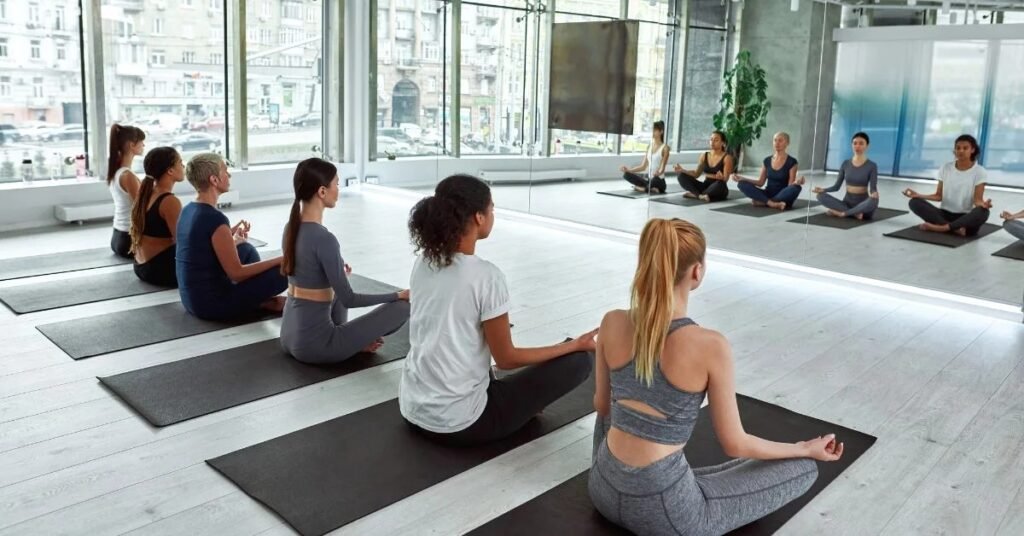
Pregnancy is a beautiful and transformative journey in a woman’s life, bringing excitement, anticipation, and many physical and emotional changes. As the body adapts to support new life, maintaining gentle movement and relaxation becomes essential for overall well-being. Yoga is one of the safest and most effective ways for expecting mothers to stay active, reduce stress, and support a healthy pregnancy. Practicing prenatal yoga can help improve flexibility, strengthen the body, ease common pregnancy discomforts, and promote better breathing and relaxation. When done correctly and with proper guidance, certain yoga poses can support both the mother and the growing baby by encouraging circulation, improving posture, and preparing the body for childbirth. Is It Safe to Practice Yoga During Pregnancy? Yes, yoga can be safe and beneficial during pregnancy when practiced with proper care. Prenatal yoga focuses on gentle stretches, breathing techniques, and relaxation that help support the body as it changes during pregnancy. It can help reduce common discomforts such as back pain, swelling, and stress while improving flexibility, posture, and overall well-being. Many expecting mothers find that yoga also helps them feel more relaxed and connected to their bodies during this important time. However, it’s important to practice yoga mindfully and choose poses that are safe for pregnancy. Certain movements such as deep twists, intense backbends, or poses that put pressure on the abdomen should be avoided. Before starting or continuing a yoga routine during pregnancy, it’s always best to consult a healthcare professional and, if possible, practice under the guidance of a qualified prenatal yoga instructor to ensure the exercises are safe for both mother and baby. Here are 5 Yoga Poses for Women During Pregnancy Cat-Cow Stretch (Marjaryasana-Bitilasana) This gentle flow between two poses helps relieve tension in the lower back and hips, which are common areas of discomfort during pregnancy. It improves spinal flexibility and encourages proper posture. The rhythmic movement paired with breath also calms the nervous system. It’s safe and effective for all trimesters. How to do it: Start on your hands and knees in a tabletop position. Inhale, arch your back, lift your head and tailbone (Cow Pose). Exhale, round your spine, tuck your chin and pelvis (Cat Pose). Repeat slowly, syncing with your breath. Continue for 1–2 minutes. Bound Angle Pose (Baddha Konasana) Butterfly Pose, this seated posture opens the hips and inner thighs, promoting flexibility and blood circulation in the pelvic area. It helps prepare the body for labor and can reduce discomfort in the lower back. Sitting upright also supports better digestion and posture. It’s easy to modify with cushions for added comfort. How to do it: Sit tall on a mat or cushion. Bring the soles of your feet together. Let your knees drop gently to the sides. Hold your feet or ankles. Breathe deeply for 1–3 minutes. Goddess Pose (Utkata Konasana) Goddess Pose strengthens the legs, glutes, and pelvic floor, helping build stamina for labor. It encourages a sense of grounding and stability, both physically and emotionally. This pose also opens the hips and stretches the chest and shoulders. It’s best practiced in the second and third trimesters with support if needed. How to do it: Stand with feet wide apart, toes pointing out. Bend your knees into a gentle squat. Raise your arms, elbows bent, palms forward. Engage your core and keep your back straight. Hold for 5 breaths, then slowly rise. Legs-Up-The-Wall Pose (Viparita Karani) This restorative pose helps reduce swelling in the feet and ankles, a common issue during pregnancy. It promotes relaxation, eases lower back tension, and improves circulation. The gentle inversion also helps calm the mind and relieve fatigue. Avoid it in the third trimester or modify it with a bolster for comfort. How to do it: Sit sideways next to a wall. Lie back and lift your legs up the wall. Rest your arms beside you. Close your eyes and breathe deeply. Stay for 5–10 minutes, then gently roll to your side. Side-Lying Corpse Pose (Savasana – Left Side Variation) This is a deeply relaxing posture ideal for rest, especially in the third trimester. Lying on the left side improves blood flow to the baby and reduces pressure on major veins. It provides emotional grounding and enhances the mother-baby connection. Using pillows ensures safety and full-body comfort. How to do it: Lie on your left side. Place a pillow between your knees and under your head. Rest your top arm on your belly. Close your eyes and breathe deeply. Stay for 5–10 minutes to fully relax. Embrace Yoga for a Healthy Pregnancy Pregnancy brings incredible changes to your body, and staying active is key to feeling your best. Yoga offers a safe and effective way to maintain strength, flexibility, and calm during this special time. By practicing carefully selected poses, expecting mothers can relieve tension, boost circulation, and enhance overall well-being. These gentle movements not only support physical health but also help cultivate mindfulness, preparing both body and mind for the journey ahead. Join us at Body and Mind Yoga Center, where our specialized prenatal yoga classes in Dubai provide a nurturing environment for mothers-to-be to connect with their bodies and their growing babies.
Top 5 Yoga Poses for Women and Their Health Benefits
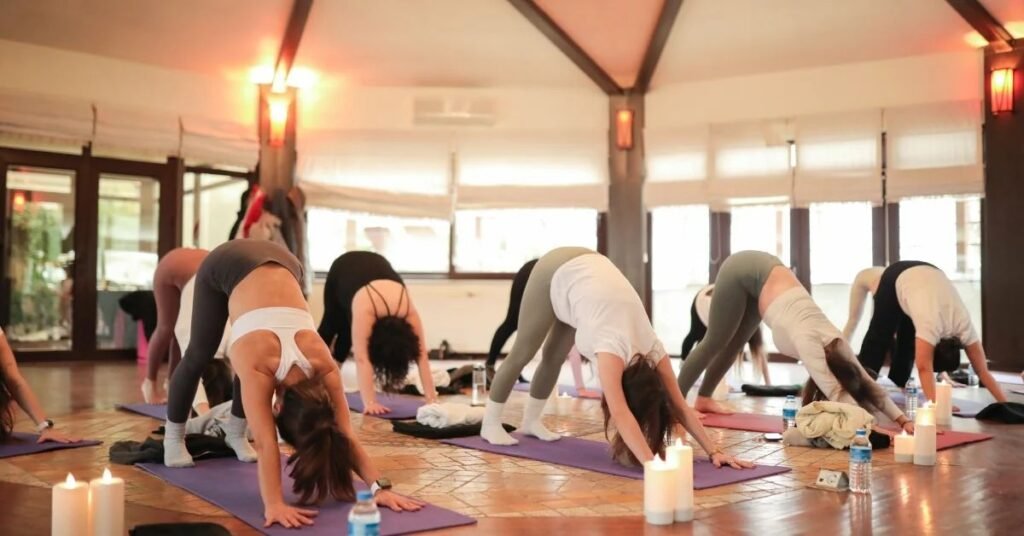
Yoga is one of the most effective and natural ways for women to improve their physical health, mental well-being, and emotional balance. In today’s fast-paced lifestyle, many women juggle multiple responsibilities such as career, family, and personal commitments. This constant pressure can lead to stress, fatigue, hormonal imbalance, and various health issues. Practicing yoga regularly can help women maintain a healthy body and a peaceful mind. Yoga combines physical postures, breathing techniques, and mindfulness. This holistic approach supports women’s health at every stage of life—from adolescence and pregnancy to menopause and beyond. Regular yoga practice improves flexibility, strengthens muscles, enhances posture, supports hormonal health, and reduces stress. Here Are 5 Yoga Poses for Women and Their Health Benefits Downward Facing Dog (Adho Mukha Svanasana) Downward Facing Dog is one of the most popular yoga poses and is commonly included in many yoga routines. This pose is excellent for strengthening the entire body while also improving flexibility and circulation. How to Do It: Start on your hands and knees on the yoga mat. Place your hands slightly ahead of your shoulders and tuck your toes under. Lift your hips toward the ceiling while straightening your legs as much as possible. Keep your head between your arms and press your heels gently toward the floor. Hold the position for 5–10 deep breaths and then slowly release. Benefits: This pose stretches the entire body, especially the hamstrings, shoulders, and spine. It improves blood circulation and helps relieve tension in the back and neck. Practicing it regularly also strengthens the arms and legs while boosting energy levels. Bridge Pose (Setu Bandhasana) Bridge Pose is especially beneficial for women because it strengthens the pelvic region and helps support reproductive health. It is a gentle backbend that opens the chest and strengthens the lower body. How to Do It: Lie on your back with your knees bent and feet flat on the floor hip-width apart. Place your arms alongside your body with palms facing down. Press your feet and arms into the floor and slowly lift your hips upward. Keep your thighs parallel and squeeze your glutes gently. Hold the pose for several breaths before slowly lowering your hips. Benefits: Bridge Pose strengthens the lower back, glutes, and thighs while improving posture. It also stimulates the thyroid gland and supports hormonal balance. The pose opens the chest and helps reduce stress and fatigue. Child’s Pose (Balasana) Child’s Pose is a gentle and restorative yoga pose that promotes relaxation and stress relief. It is often used as a resting pose during yoga sessions. How to Do It: Kneel on the yoga mat with your big toes touching and knees slightly apart. Sit back on your heels and slowly bend your torso forward. Extend your arms forward or rest them alongside your body. Lower your forehead gently to the mat. Breathe deeply and hold the pose for 30–60 seconds. Benefits: Child’s Pose is a relaxing posture that helps calm the nervous system and reduce stress. It gently stretches the hips, thighs, and lower back while relieving tension in the body. This pose also encourages deep breathing and mental relaxation. Warrior II (Virabhadrasana II) Warrior II is a powerful standing pose that builds strength, stability, and confidence. It is named after the mythical warrior Virabhadra and symbolizes strength and determination. How to Do It (5 Steps) Stand straight and step your feet wide apart. Turn your right foot outward and bend your right knee. Extend your arms parallel to the floor with palms facing down. Keep your back leg straight and gaze over your front hand. Hold the pose for several breaths, then switch sides. Benefits Warrior II strengthens the legs, arms, and core muscles while improving balance and stability. It increases stamina and endurance, making the body stronger over time. The pose also enhances focus and builds confidence. Cobra Pose (Bhujangasana) Cobra Pose is a gentle backbend that improves spinal flexibility and strengthens the back muscles. It is commonly included in yoga sequences such as the Sun Salutation. How to Do It: Lie flat on your stomach with your legs extended behind you. Place your palms under your shoulders with elbows close to the body. Press your hands into the mat and slowly lift your chest upward. Keep your shoulders relaxed and your hips grounded on the floor. Hold the pose for 15–30 seconds before gently lowering down. Benefits: Cobra Pose strengthens the spine and improves posture by stretching the chest and shoulders. It stimulates abdominal organs, which supports digestion and metabolism. This pose also helps reduce stress and increase overall energy levels. Why Every Woman Should Practice Yoga Yoga is more than just a form of exercise—it is a holistic practice that nurtures both the body and the mind. For women, regular yoga practice can help improve flexibility, strengthen muscles, support hormonal balance, and reduce everyday stress. Practicing these yoga poses consistently, women can develop better posture, increased energy levels, and improved mental clarity. Embrace these yoga poses regularly to foster a harmonious blend of strength, flexibility, and tranquility in your wellness routine. Want to learn Yoga? Visit Body and Mind Yoga Center, we provide the best yoga classes for women in Dubai with a variety of lessons suited to fit your needs and preferences.
Best 5 Easy Yoga Poses to Reduce Acidity & Gas Issues
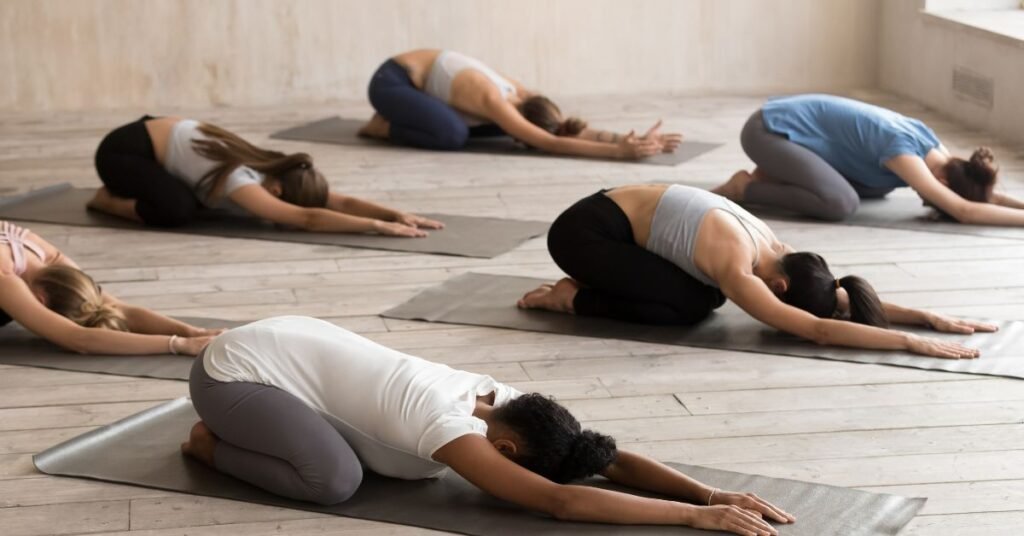
Digestive discomfort like acidity, bloating, and gas has become increasingly common due to irregular eating habits, stress, lack of physical activity, and processed foods. While medications may offer temporary relief, they often don’t address the root cause of the problem. The good news is that gentle, consistent movement can naturally support your digestive system and bring long-term balance. Yoga is one of the most effective and holistic ways to improve gut health. Certain yoga poses stimulate digestive organs, improve blood circulation to the abdomen, relieve trapped gas, and reduce stress — a major trigger for acidity. The best part? You don’t need to be flexible or experienced to start. Simple, beginner-friendly poses practiced for just a few minutes daily can make a noticeable difference. Yoga poses that help reduce acidity and gas issues naturally. Here are 5 Easy Yoga Poses to Reduce Acidity & Gas Issues Pavanamuktasana (Wind-Relieving Pose) Pavanamuktasana is highly effective for relieving gas and bloating. It gently massages the abdominal organs and improves digestion. The pressure created on the stomach helps release trapped air and reduces discomfort. Practicing this pose regularly can also ease lower back tension. How to Do It: Lie flat on your back with legs extended. Bend your right knee and bring it toward your chest. Clasp your hands around your shin and pull gently. Hold for 20–30 seconds while breathing deeply. Release and repeat with the left leg, then both legs together. Vajrasana (Thunderbolt Pose) Vajrasana is one of the best poses for improving digestion and reducing acidity. It enhances blood flow to the digestive organs and supports better nutrient absorption. This is the only yoga pose that can be safely practiced after meals. Regular practice can help prevent acid reflux and indigestion. How to Do It: Kneel on the mat with your knees together. Sit back on your heels comfortably. Keep your spine straight and shoulders relaxed. Rest your hands on your thighs. Close your eyes and breathe deeply for 5–10 minutes. Balasana (Child’s Pose) Balasana is a gentle resting pose that calms the nervous system and reduces stress-related acidity. The mild compression on the abdomen helps relieve gas and bloating. It also stretches the lower back and hips, promoting relaxation. This pose is perfect when you feel discomfort after a heavy meal. How to Do It: Kneel on the floor and sit on your heels. Inhale and lengthen your spine. Exhale and bend forward, placing your forehead on the mat. Stretch your arms forward or rest them beside your body. Hold for 30–60 seconds while breathing slowly. Ardha Matsyendrasana (Seated Spinal Twist) This seated twist helps stimulate the digestive organs and improves gut function. The twisting motion massages the liver, pancreas, and intestines, supporting detoxification. It is especially helpful for reducing bloating and sluggish digestion. Practicing it regularly can improve overall digestive comfort. How to Do It: Sit with your legs extended forward. Bend your right knee and place your foot outside your left thigh. Place your right hand behind you for support. Twist your torso to the right, bringing your left elbow outside your right knee. Hold for 20–30 seconds, then switch sides. Bhujangasana (Cobra Pose) Bhujangasana is a gentle backbend that stretches the abdominal region and stimulates digestive organs. It helps relieve stress, which is a major cause of acidity and stomach discomfort. The pose improves blood circulation and strengthens the spine. Regular practice can support better digestion and reduce acid reflux symptoms. How to Do It: Lie on your stomach with legs extended. Place your palms under your shoulders. Inhale and slowly lift your chest off the floor. Keep elbows slightly bent and shoulders relaxed. Hold for 15–20 seconds, then slowly lower down. Embrace Yoga for Better Digestive Health Digestive issues like acidity, bloating, and gas can disrupt your daily routine and overall comfort, but simple lifestyle changes can make a big difference. Incorporating these gentle yoga poses into your daily routine helps stimulate digestion, release trapped gas, and reduce stress — one of the major triggers of acidity. The key is consistency; even 10–15 minutes of mindful practice each day can support long-term digestive health. Pair your yoga practice with balanced meals, proper hydration, and mindful eating habits for the best results. Over time, you’ll notice not just relief from discomfort, but also improved energy, better gut health, and a greater sense of overall well-being. Embrace these yoga poses regularly to foster a harmonious blend of strength, flexibility, and tranquility in your wellness routine. Want to learn Yoga? Visit Body and Mind Yoga Center, we provide the best yoga classes for women in Dubai with a variety of lessons suited to fit your needs and preferences.
Best 5 Yoga Poses for Women to Boost Fertility
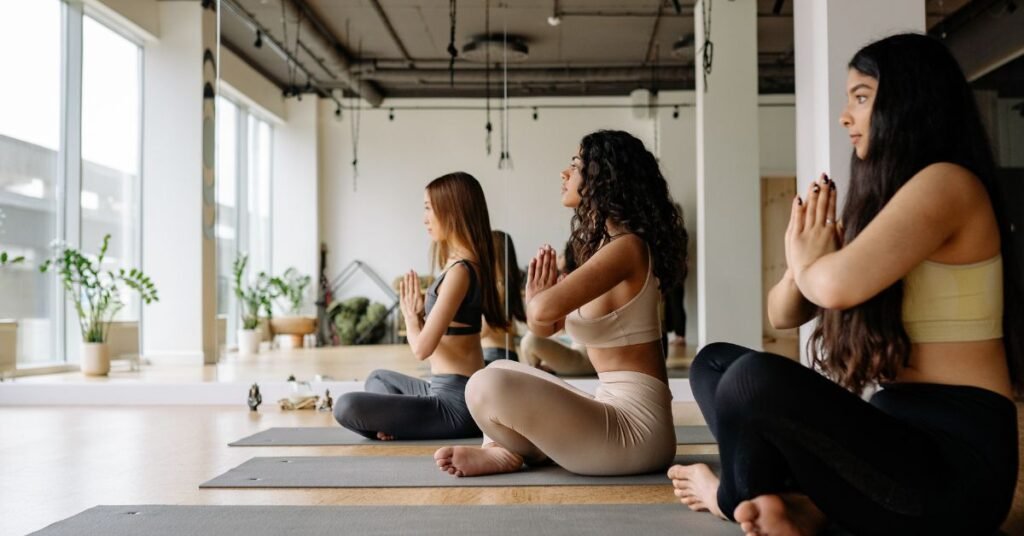
Trying to conceive can be an emotional journey, and many women look for natural ways to support their reproductive health. Yoga offers a gentle, holistic approach that helps reduce stress, improve blood circulation to the pelvic region, and balance hormones—all essential factors for fertility. By incorporating specific yoga poses into your routine, you can nurture both body and mind while creating a supportive environment for conception. How Can Yoga Help Improve Fertility in Women Naturally? Yoga can help improve fertility in women naturally by reducing stress, balancing hormones, and increasing blood flow to the reproductive organs. Chronic stress can disrupt ovulation and hormone production, but regular yoga practice lowers cortisol levels and promotes relaxation, creating a more supportive environment for conception. Certain Yoga poses gently stimulate the ovaries, uterus, and endocrine system, while deep breathing techniques enhance oxygen supply and circulation throughout the body. By nurturing both physical and emotional well-being, yoga supports overall reproductive health and prepares the body for pregnancy. How Often Should Women Practice Yoga to Support Fertility? For women looking to support fertility, practicing yoga 3 to 5 times per week is generally recommended. Consistency is more important than intensity, so gentle, restorative sessions focused on relaxation, breathwork, and pelvic circulation can be especially beneficial. Even 20–30 minutes per session can help regulate stress hormones, improve blood flow to the reproductive organs, and promote hormonal balance. Listening to your body is essential—during menstruation or ovulation, you may prefer softer practices. Over time, a steady routine can create a calm, balanced foundation that supports natural conception. Here are 5 Yoga Poses for Women to Boost Fertility Butterfly Pose (Baddha Konasana) This gentle hip-opening pose increases blood flow to the pelvic region and stimulates the ovaries and uterus. It helps reduce menstrual discomfort and supports hormonal balance. Sit upright, bring the soles of your feet together, and gently flap your knees like butterfly wings while breathing deeply. How to Do It Sit on the floor with your spine straight and legs extended forward. Bend your knees and bring the soles of your feet together. Hold your feet or ankles with both hands. Gently press your knees toward the floor without forcing them. Keep your back straight and breathe deeply for 30–60 seconds. Slowly release and extend your legs forward. Bridge Pose (Setu Bandha Sarvangasana) Bridge Pose strengthens the pelvic muscles and improves circulation to reproductive organs. It also stimulates the thyroid gland, helping regulate hormones. Lie on your back, bend your knees, and lift your hips toward the ceiling while keeping your shoulders grounded. How to Do It Lie on your back with knees bent and feet hip-width apart on the floor. Place your arms alongside your body, palms facing down. Press your feet into the mat and slowly lift your hips upward. Keep your shoulders and upper back grounded. Hold the pose for 20–40 seconds while breathing steadily. Gently lower your hips back down. Legs Up the Wall (Viparita Karani) A deeply restorative pose, this position reduces stress and improves blood circulation to the pelvic area. It calms the nervous system and supports hormonal balance. Simply lie on your back and extend your legs vertically against a wall, relaxing your arms by your sides. How to Do It Sit sideways next to a wall. Gently lie back and swing your legs up against the wall. Adjust your hips so they are close to the wall. Rest your arms by your sides, palms facing up. Close your eyes and breathe slowly for 3–5 minutes. To exit, bend your knees and roll to one side before sitting up. Cobra Pose (Bhujangasana) Cobra Pose gently massages abdominal organs and increases blood flow to the uterus and ovaries. It also helps reduce fatigue and stress. Lie on your stomach, place your palms under your shoulders, and slowly lift your chest while keeping your hips on the floor. How to Do It Lie on your stomach with legs extended and tops of feet flat on the floor. Place your palms under your shoulders, elbows close to your body. Inhale and slowly lift your chest off the floor. Keep your hips and lower body grounded. Gaze slightly upward without straining your neck. Hold for 15–30 seconds, then gently lower down. Child’s Pose (Balasana) Child’s Pose promotes deep relaxation and relieves tension in the lower back and hips. By calming the mind and lowering stress hormones, it creates a supportive internal environment for conception. Kneel on the mat, sit back on your heels, and stretch your arms forward while resting your forehead on the floor. How to Do It Kneel on the mat with big toes touching and knees slightly apart. Sit back on your heels. Extend your arms forward and lower your torso between your thighs. Rest your forehead on the mat. Breathe deeply and relax for 1–2 minutes. Slowly lift your torso to come out of the pose. Embrace Yoga as a Natural Path to Fertility Support Supporting fertility naturally is about nurturing both the body and the mind, and yoga offers a gentle yet powerful way to do just that. By practicing these fertility-boosting poses regularly, women can improve circulation to the reproductive organs, balance hormones, and reduce stress—key factors in enhancing overall reproductive health. Remember, consistency and mindfulness matter more than intensity. Listen to your body, move with intention, and create a calm, supportive environment within. With patience and dedication, yoga can become a meaningful part of your fertility journey. Embrace these yoga poses regularly to foster a harmonious blend of strength, flexibility, and tranquility in your wellness routine. Want to learn Yoga? Visit Body and Mind Yoga Center, we provide the best yoga classes for women in Dubai with a variety of lessons suited to fit your needs and preferences.
5 Simple Yoga Poses to Help Reduce Period Pain

Period pain can disrupt your routine, drain your energy, and make even simple tasks feel overwhelming. While over-the-counter remedies offer temporary relief, gentle movement can naturally ease cramps and tension. Yoga, in particular, helps relax pelvic muscles, improve blood flow, and calm the nervous system. Yoga poses that are beginner-friendly, soothing, and effective in reducing period discomfort—helping you feel more balanced, comfortable, and in control during your cycle. How Do Yoga Poses Help Alleviate Period Cramps? Yoga poses help ease period cramps by improving blood flow and gently stretching tight muscles in the lower abdomen and back. When circulation increases, it supports the body’s natural healing process and can reduce the intensity of cramps. Certain poses focus on relaxing the pelvic region, which may help calm uterine contractions and relieve pressure. Yoga incorporates deep, mindful breathing that lowers stress levels and relaxes the nervous system. This combination of movement and breathwork helps reduce muscle tension and promotes a greater sense of comfort during menstruation. Is It Safe to Practice Yoga During Heavy Menstrual Flow? Practicing gentle yoga during a heavy menstrual flow is typically safe and can actually help ease discomfort. The key is to pay attention to how your body feels and avoid intense or physically demanding poses that could create strain. Instead, choose restorative, relaxing postures and incorporate slow, deep breathing to help manage menstrual cramps, fatigue, and tension more effectively. Here are 5 Yoga Poses to Help Reduce Period Pain Child’s Pose (Balasana) Child’s Pose is a gentle resting posture that stretches the lower back, hips, and thighs. It helps relieve pelvic pressure, calm the nervous system, and reduce menstrual cramps. How to Do It: Kneel on the mat with your big toes touching and knees slightly apart. Sit back on your heels. Slowly fold your torso forward between your thighs. Extend your arms forward or rest them alongside your body. Rest your forehead on the mat and breathe deeply for 1–3 minutes. Cat-Cow Stretch (Marjaryasana–Bitilasana) Cat-Cow is a gentle flowing movement that increases spinal flexibility and improves circulation in the abdominal area, helping reduce cramps and bloating. How to Do It: Start on your hands and knees in a tabletop position. Inhale and drop your belly toward the mat, lifting your head and tailbone (Cow Pose). Exhale and round your spine upward, tucking your chin to your chest (Cat Pose). Continue flowing between these two positions with your breath. Repeat slowly for 1–2 minutes. Supine Twist (Supta Matsyendrasan) Supine Twist gently massages abdominal organs and stretches the lower back, helping to ease tension and menstrual discomfort. How to Do It: Lie flat on your back with arms extended out to the sides. Bend your right knee and draw it toward your chest. Gently guide the knee across your body toward the left side. Keep both shoulders grounded as much as possible. Hold for 1 minute, then switch sides. Butterfly Pose (Baddha Konasana) Butterfly Pose opens the hips and stretches the inner thighs, promoting better blood flow to the pelvic area and easing cramps. How to Do It: Sit upright on the mat with your legs extended. Bend your knees and bring the soles of your feet together. Let your knees gently drop toward the floor. Hold your feet with your hands and lengthen your spine. Stay for 1–3 minutes, breathing slowly. Legs Up the Wall (Viparita Karani) Legs Up the Wall is a restorative pose that reduces lower back pressure, improves circulation, and promotes deep relaxation during menstruation. How to Do It: Sit sideways next to a wall. Gently lie back as you swing your legs up against the wall. Adjust your hips close to or slightly away from the wall for comfort. Rest your arms by your sides with palms facing up. Close your eyes and relax for 5–10 minutes while breathing deeply. Embrace Gentle Yoga for Natural Period Pain Relief Managing period pain doesn’t always require medication—sometimes, gentle movement and mindful breathing can make a meaningful difference. Incorporating these simple yoga poses into your routine can help relax tight muscles, improve circulation, and calm your nervous system during your cycle. The key is to move slowly, listen to your body, and choose restorative postures that feel supportive. With consistent practice, yoga can become a natural, comforting way to ease menstrual discomfort and help you feel more balanced each month. Embrace these yoga poses regularly to foster a harmonious blend of strength, flexibility, and tranquility in your wellness routine. Want to learn Yoga? Visit Body and Mind Yoga Center, we provide the best yoga classes for women in Dubai with a variety of lessons suited to fit your needs and preferences.
5 Prenatal Yoga Poses to Relieve Sciatica During Pregnancy
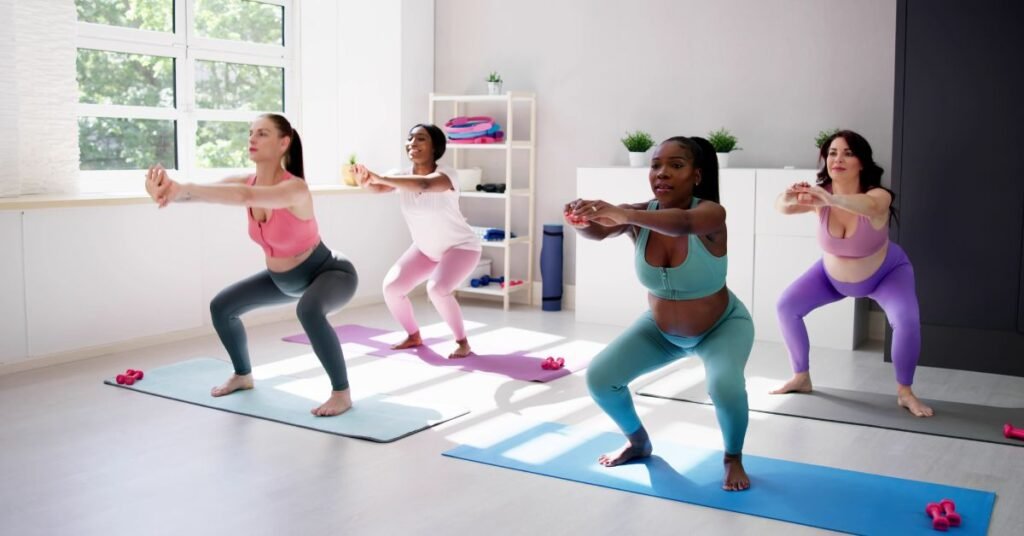
Sciatic pain is a common and uncomfortable challenge during pregnancy, often caused by postural changes and added pressure on the lower back and hips. Prenatal yoga offers gentle, effective ways to ease this discomfort while keeping both mom and baby safe. Pregnancy-safe yoga poses designed to stretch tight muscles, improve circulation, and reduce sciatic nerve tension—helping you move through pregnancy with greater comfort and ease. What Causes Sciatic Nerve Pain During Pregnancy? Sciatic nerve pain during pregnancy is usually caused by physical and hormonal changes that place extra pressure on the lower back, hips, and pelvis. The sciatic nerve runs from the lower spine through the hips and down each leg, and when it becomes compressed or irritated, it can cause sharp, shooting, or aching pain. Common causes include: Growing uterus: As your baby grows, the uterus can press against the sciatic nerve.Postural changes: A shifting center of gravity often leads to poor alignment and lower back strain.Hormonal changes: Relaxin loosens ligaments to prepare for birth, which can reduce pelvic stability and irritate nearby nerves.Muscle tightness: Tight piriformis, hip, or glute muscles can compress the sciatic nerve.Weight gain and fluid retention: Added pressure and swelling can increase nerve sensitivity. Here are 5 Prenatal Yoga Poses to Relieve Sciatica During Pregnancy Cat–Cow Pose (Marjaryasana–Bitilasana) This gentle spinal flow helps release tension in the lower back and encourages healthy movement of the pelvis, which can reduce pressure on the sciatic nerve. It’s especially soothing when done slowly with the breath. How to Do It: Start on hands and knees, wrists under shoulders, knees under hips. Inhale, lift your chest and tailbone, gently arching the back (Cow). Exhale, round your spine and tuck your chin toward your chest (Cat). Move slowly with your breath, keeping movements pain-free. Repeat for 8–10 rounds. Supported Child’s Pose (Balasana) This resting pose softly stretches the lower back and hips while calming the nervous system. Using props creates space for the belly and extra comfort. How to Do It: Kneel on the mat with knees wide and big toes touching. Place a bolster or pillow lengthwise between your knees. Lower your torso forward to rest on the support. Turn your head to one side and relax your arms. Breathe deeply for 1–2 minutes, then switch head position. Side-Lying Leg Stretch This gentle pose is ideal in later pregnancy and helps release hip and lower back tension without stressing the spine. How to Do It: Lie on your left side with a pillow under your head. Bend both knees slightly for stability. Extend your right leg forward and gently straighten it. Flex and point the foot slowly to ease nerve tension. Take 6–10 slow breaths, then switch sides. Seated Forward Bend This gentle forward fold stretches the lower back and hamstrings while calming the nervous system. The prenatal variation avoids compression by focusing on length rather than depth. How to Do It: Sit on a folded blanket with legs comfortably extended. Slightly bend the knees to reduce strain on the lower back. Inhale and lengthen the spine, sitting tall. Exhale and hinge forward from the hips, stopping before the belly. Rest hands on legs or a bolster and hold for 5–8 breaths. Malasana Malasana gently opens the hips and pelvis while releasing tension in the lower back, which can help reduce sciatic nerve compression. Using support makes this pose safe and comfortable during pregnancy. How to Do It: Stand with feet wider than hips, toes turned slightly outward. Lower into a squat, bringing hips toward the floor. Sit on a block, bolster, or folded blanket for support. Bring hands to the heart center and keep the chest lifted. Hold for 5–8 slow breaths, breathing into the hips. Manage Pregnancy-Related Sciatic Pain Through Gentle Yoga Sciatic pain during pregnancy can be challenging, but gentle prenatal yoga offers a safe, natural way to find relief. By practicing these supportive poses regularly and mindfully, you can ease tension in the hips and lower back while improving comfort and mobility. Always listen to your body, move slowly, and use props as needed. With consistency and proper guidance, prenatal yoga can help you feel more supported, relaxed, and confident throughout your pregnancy journey. Join us at Body and Mind Yoga Center, where our specialized prenatal yoga classes in Dubai provide a nurturing environment for mothers-to-be to connect with their bodies and their growing babies.
Unroll Your Mat: Simple Yoga Poses to Keep Your Heart Healthy
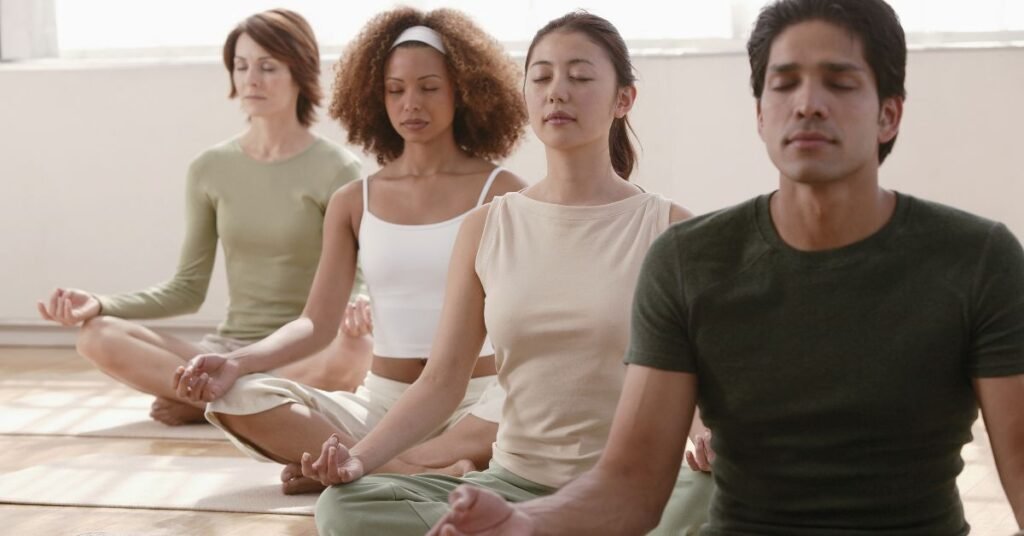
Your heart works tirelessly for you—now it’s time to return the favor. Yoga offers a gentle yet powerful way to support heart health by improving circulation, reducing stress, and encouraging mindful movement. Whether you’re new to yoga or returning to your mat, these simple poses can be easily woven into your daily routine. Unroll your mat, breathe deeply, and discover how small, intentional practices can nurture a healthier, happier heart. How Does Yoga Improve and Optimize Heart Health? Yoga enhances heart health through various mechanisms. Its emphasis on deep yogic breathing and relaxation techniques reduces stress and lowers blood pressure, benefiting cardiac function. Yoga postures promote circulation and oxygenation of tissues, improving cardiovascular efficiency. Regular practice also enhances flexibility, strengthens muscles, and supports weight management, all of which contribute to a healthier heart. Here are 5 Simple Yoga Poses to Keep Your Heart Healthy Tadasana (Mountain Pose) Tadasana is the foundation of all standing yoga poses. It improves posture, promotes steady breathing, and encourages mindful awareness. Practicing this pose helps improve circulation and creates a sense of balance and calm, which supports overall heart health. How to Do It: Stand tall with feet together or hip-width apart. Distribute your weight evenly across both feet. Engage your thighs and gently draw your belly in. Roll your shoulders back and down, lifting your chest. Breathe deeply, keeping your spine long and gaze forward. Adho Mukha Svanasana (Downward-Facing Dog) This gentle inversion boosts blood circulation and energizes the body. It helps reduce stress, strengthens the heart, and improves lung capacity. Downward-Facing Dog also stretches the spine and releases tension throughout the body. How to Do It: Start on your hands and knees in a tabletop position. Tuck your toes under and lift your hips toward the ceiling. Straighten your legs as much as comfortable. Press your palms firmly into the mat and relax your neck. Hold the pose while breathing deeply and evenly. Paschimottanasana (Seated Forward Bend) Paschimottanasana calms the nervous system and helps reduce anxiety, benefiting heart health. It gently stretches the spine and hamstrings while encouraging deep, slow breathing. This pose promotes relaxation and improved digestion. How to Do It: Sit on the mat with legs extended straight in front of you. Inhale and lengthen your spine, lifting your arms overhead. Exhale and hinge forward from your hips. Reach for your shins, ankles, or feet without straining. Hold the pose and breathe slowly for several breaths. Vrikshasana (Tree Pose) Tree Pose improves balance, focus, and stability while strengthening the legs. It enhances concentration and reduces stress, which helps maintain a healthy heart. The pose also encourages steady breathing and mental calmness. How to Do It: Stand upright in Tadasana. Shift your weight onto one foot. Place the sole of the opposite foot on your calf or inner thigh. Bring your palms together at your chest or raise them overhead. Focus on a fixed point and breathe steadily. Pranayama (Breathing Exercise) Pranayama involves controlled breathing techniques that help lower stress and regulate heart rate. Regular practice improves oxygen flow and promotes relaxation. It is especially beneficial for maintaining emotional balance and cardiovascular health. How to Do It: Sit comfortably with your spine straight. Close your eyes and relax your shoulders. Inhale slowly through your nose, filling your lungs. Exhale gently and completely through your nose. Continue for several minutes with smooth, steady breaths. How Often Should I Practice Yoga for Heart Health? For heart health, practicing yoga at least three to five times a week is generally recommended. Even short sessions of 20–30 minutes can help improve circulation, reduce stress, and support overall cardiovascular function. Consistency is more important than intensity, so choose a routine that fits comfortably into your lifestyle. Always listen to your body and practice at a pace that feels safe and sustainable. What is the Best Time of Day to Practice Yoga for Heart Benefits? The best time to practice yoga for heart benefits is early morning, as it helps energize the body, improve circulation, and set a calm tone for the day. Morning practice also supports better breathing and stress management, which are important for heart health. However, evening yoga can be equally beneficial by reducing stress and promoting relaxation after a long day. Ultimately, the best time is when you can practice consistently and mindfully. Yoga-Heart Connection :Yoga Can Improve Your Heart Health Caring for your heart doesn’t have to be complicated. These simple yoga poses and mindful breathing practices into your daily routine, you can support both physical and emotional well-being. Yoga encourages gentle movement, reduces stress, and promotes better circulation key elements of heart health. Unroll your mat regularly, listen to your body, and remember that even a few mindful minutes each day can make a meaningful difference for your heart. Join us at Body and Mind Yoga Center for an enriching experience that harmonizes body and mind. Your path to wellness begins here. We provide the best Yoga Classes In Dubai with a variety of lessons suited to fit your needs and preferences.
When to Start Prenatal Yoga & How Often to Practice?
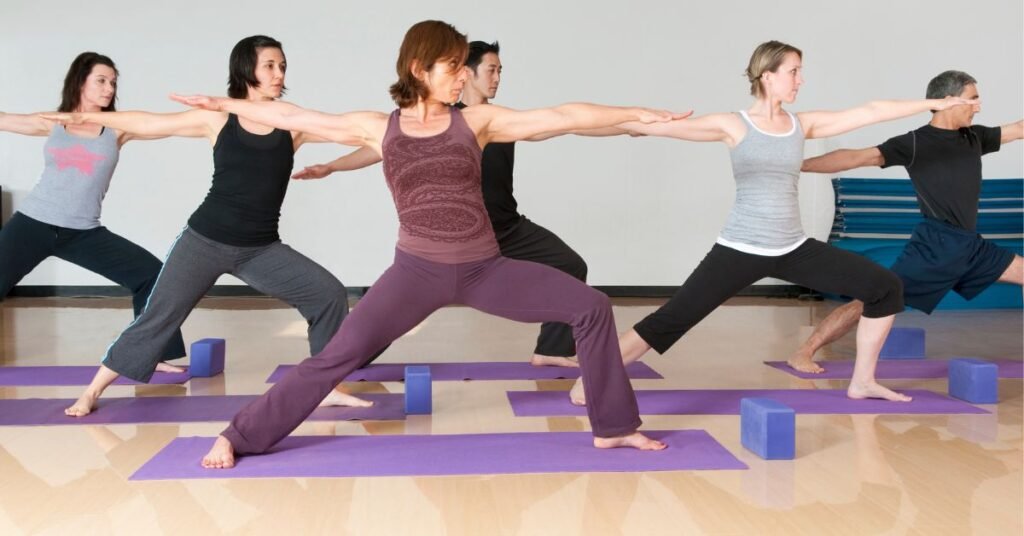
Prenatal yoga is a gentle, supportive practice designed to help expectant mothers stay active, calm, and connected throughout pregnancy. As your body changes and your baby grows, it’s natural to wonder when it’s safe to begin prenatal yoga and how often you should practice to get the most benefit without overdoing it. Whether you’re new to yoga or adapting an existing practice for pregnancy, understanding the right timing and frequency can make your journey more comfortable and confident. Why Prenatal Yoga Important in a Healthy Pregnancy? Prenatal yoga plays an important role in supporting a healthy pregnancy by gently strengthening the body, improving flexibility, and easing common discomforts such as back pain, swelling, and fatigue. Beyond the physical benefits, it encourages mindful breathing and relaxation, which can help reduce stress, improve sleep, and prepare the mind for labor and childbirth. By fostering a deeper connection between mother and baby, prenatal yoga also supports emotional well-being, helping expectant mothers feel more balanced, confident, and empowered throughout their pregnancy journey. When to Start Prenatal Yoga? Most expectant mothers can begin prenatal yoga as early as the first trimester, provided they have their healthcare provider’s approval and are feeling comfortable enough to exercise. Many women choose to start during the second trimester, when early pregnancy symptoms like nausea and fatigue often ease and energy levels improve. Regardless of when you begin, the key is to listen to your body, move gently, and choose classes or routines specifically designed for pregnancy to ensure safety and maximum benefit for both mother and baby. How Often Should You Do Prenatal Yoga Classes? For most healthy pregnancies, practicing prenatal yoga two to three times per week offers an ideal balance of movement, strength, and relaxation. This frequency helps maintain flexibility, reduce pregnancy-related aches, and build stamina without placing unnecessary strain on the body. Some women may enjoy gentle daily sessions focused on stretching and breathing, while others may prefer fewer classes depending on energy levels and trimester. As always, consistency matters more than intensity, and it’s best to adjust your routine based on how your body feels and any guidance from your healthcare provider. 5 Safe and Commonly Recommended Prenatal Yoga Poses Cat–Cow Pose Cat–Cow gently stretches the spine and relieves tension in the back and neck. It also encourages mindful breathing and improves spinal flexibility during pregnancy. How to Do It: Start on all fours with wrists under shoulders and knees under hips. Inhale, drop your belly, lift your chest, and look slightly upward (Cow). Exhale, round your spine and gently tuck your chin (Cat). Move slowly between Cow and Cat with your breath. Repeat for 5–10 rounds, staying relaxed. Child’s Pose This calming pose helps reduce lower back tension and promotes relaxation. A wide-knee variation makes it comfortable and safe for a growing belly. How to Do It: Kneel on the mat with knees wide apart and big toes touching. Sit back on your heels and slowly fold forward. Rest your torso between your thighs, supporting your head with a block or pillow. Extend arms forward or place them alongside your body. Breathe deeply and hold for 5–8 breaths. Goddess Pose Goddess Pose strengthens the legs and pelvic floor while improving balance and stability. It also helps prepare the body for labor by opening the hips. How to Do It: Stand with feet wide apart and toes turned slightly outward. Bend your knees, lowering into a squat-like position. Keep your spine upright and shoulders relaxed. Bring hands to your heart or raise arms with elbows bent. Hold for several breaths, then slowly straighten the legs. Squat Pose (Malasana) A supported squat strengthens the lower body and improves pelvic flexibility. It can be especially helpful in preparing for childbirth when practiced mindfully. How to Do It: Stand with feet wider than hips and toes slightly turned out. Lower into a squat, keeping heels grounded (use a block under heels if needed). Bring hands together at the chest for balance. Keep your chest lifted and spine long. Hold for a few breaths, then rise slowly. Seated Butterfly Pose This gentle seated pose helps open the hips and ease tension in the lower back while promoting relaxation. It is simple, calming, and safe for most stages of pregnancy. How to Do It: Sit upright on a mat or cushion with your spine tall. Bring the soles of your feet together and let your knees drop outward comfortably. Hold your feet or ankles gently with your hands. Keep your chest open and shoulders relaxed as you breathe deeply. Stay in the pose for 5–10 slow breaths, then release gently. Embrace Prenatal Yoga for a Healthy and Balanced Pregnancy Prenatal yoga is a gentle yet powerful way to support your body and mind throughout pregnancy. By starting at the right time, practicing at a comfortable frequency, and choosing safe, pregnancy-friendly poses, you can enjoy improved strength, flexibility, relaxation, and emotional balance as your body changes. Most importantly, prenatal yoga encourages you to slow down, listen to your body, and build a deeper connection with your baby. With consistency, mindfulness, and guidance from your healthcare provider, this practice can become a nurturing part of a healthy and positive pregnancy journey. Join us at Body and Mind Yoga Center, where our specialized prenatal yoga classes in Dubai provide a nurturing environment for mothers-to-be to connect with their bodies and their growing babies.
5 Yoga Poses to Help You Become More Balanced
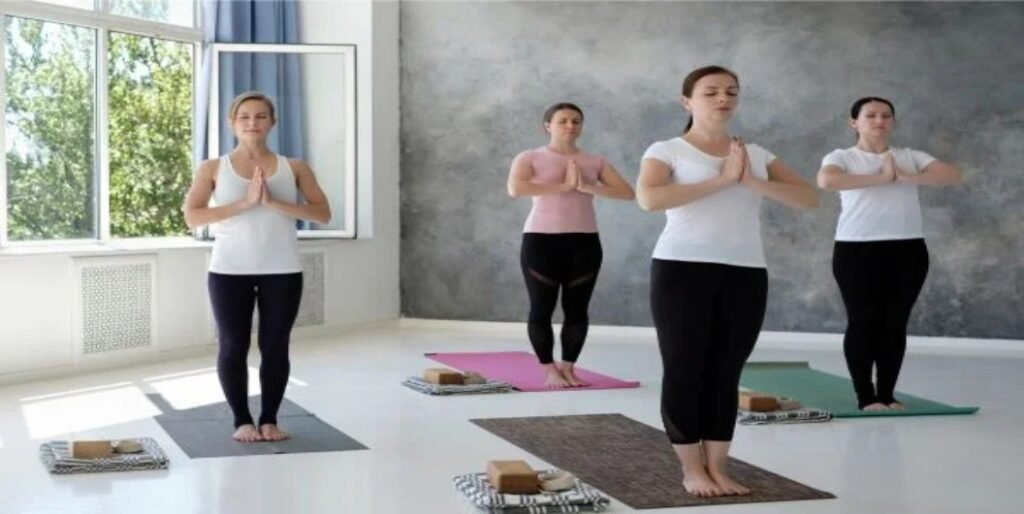
Maintaining good health often takes a backseat to the daily hustle. Stress, fatigue, and unhealthy habits can slowly chip away at your well-being. But what if there was a simple, time-tested practice that could transform your health and rejuvenate your mind and body? Enter yoga—a holistic approach to wellness that has been enhancing lives for centuries. Yoga is much more than just stretching or exercise; it’s a complete mind-body practice that can improve flexibility, strengthen muscles, boost immunity, and even enhance mental clarity. With consistent practice, yoga can help you achieve better overall health and cultivate a sense of inner peace. Yoga Poses to Boost Your Overall Health and Wellness Child Pose (Balasana) Child Pose, or Balasana, is one of the most relaxing yoga asanas. It is a gentle stretch for the hips, thighs, and back. This asana is an excellent way to calm your mind and release tension in the body, making it the perfect pose to start your morning. How to Do It: Begin on your hands and knees in a tabletop position. Align your wrists under your shoulders and knees under your hips. Exhale and slowly lower your hips back towards your heels. Your big toes should touch while your knees can be as wide apart as comfortable. Stretch your arms forward on the mat, palms facing down, or keep them alongside your body with palms facing up. Allow your forehead to rest gently on the mat, relaxing your neck. Hold this position for 30 seconds to a minute, breathing deeply. Bridge Pose (Setu Bandhasana) Bridge Pose is a gentle backbend that strengthens the legs, glutes, and lower back. It is also known to open the chest and improve flexibility in the spine, making it a great way to wake up your body in the morning. How to Do It: Begin by lying on your back with your knees bent and feet flat on the mat, hip-width apart. Your arms should rest alongside your body, palms facing down. Press your feet into the mat and slowly lift your hips towards the ceiling, creating a gentle arch in your back. Clasp your hands under your back and press your arms into the mat for additional support. Keep your thighs parallel and ensure that your knees do not splay outwards. Hold the pose for 30 seconds, breathing deeply, before slowly lowering your hips back to the mat. Cobra Pose (Bhujangasana) Cobra Pose is a powerful heart opener that stretches the chest, shoulders, and abdomen while strengthening the spine. This pose is a great way to energize your body and improve your posture, especially if you tend to spend long hours sitting. How to Do It: Begin by lying face down on the mat with your legs extended straight behind you and your palms placed under your shoulders. Press your feet and legs firmly into the mat, keeping your thighs engaged. Inhale as you slowly lift your chest off the mat, using the strength of your back and arms. Keep your elbows slightly bent and your shoulders relaxed. Lift your chest as high as comfortable while keeping your lower ribs grounded. Hold the pose for 15 to 30 seconds, breathing deeply, before gently lowering back down to the mat. Boat Pose (Navasana) Boat Pose is a core-strengthening asana that helps build stability in the abdominal muscles while also improving balance and concentration. This pose may feel challenging at first, but with regular practice, it becomes an excellent way to tone the core and improve posture. How to Do It: Begin by sitting on the mat with your legs extended straight in front of you. Place your hands behind your hips for support and lean back slightly while keeping your spine straight. Lift your legs off the mat, bringing your knees into a 90-degree angle. Your shins should be parallel to the floor. Extend your arms forward, keeping them parallel to the ground, with palms facing each other. Engage your core muscles and balance on your sitting bones. Hold the pose for 20 to 30 seconds, breathing steadily. Release by lowering your legs and returning to a seated position. Downward-Facing Dog (Adho Mukha Svanasana) Downward-Facing Dog is a rejuvenating yoga pose that stretches and strengthens the entire body. This pose energizes the body, increases blood flow, and can serve as a reset for your mind and muscles after a long sleep. How to Do It: Start in a tabletop position, with your hands directly under your shoulders and your knees under your hips. Spread your fingers wide and press your palms firmly into the mat. Tuck your toes under and lift your hips towards the ceiling, straightening your legs and forming an inverted V-shape with your body. Keep your head between your arms, and let your ears align with your upper arms. Press your heels towards the mat, but it’s okay if they don’t touch the ground. Hold the pose for 30 to 60 seconds, breathing deeply, before gently lowering back to the mat. Start Your Day with Yoga for a Stronger, Calmer You Yoga is a powerful tool for enhancing both your physical and mental well-being. By incorporating these poses into your daily routine, you can experience increased flexibility, better posture, improved strength, and a deeper sense of inner calm. The beauty of yoga lies in its accessibility—whether you’re a beginner or a seasoned practitioner, there’s always a way to modify the practice to suit your needs and abilities. Join us at Body and Mind Yoga Center for an enriching experience that harmonizes body and mind. Your path to wellness begins here. We provide the best Yoga classes In Dubai with a variety of lessons suited to fit your needs and preferences.

