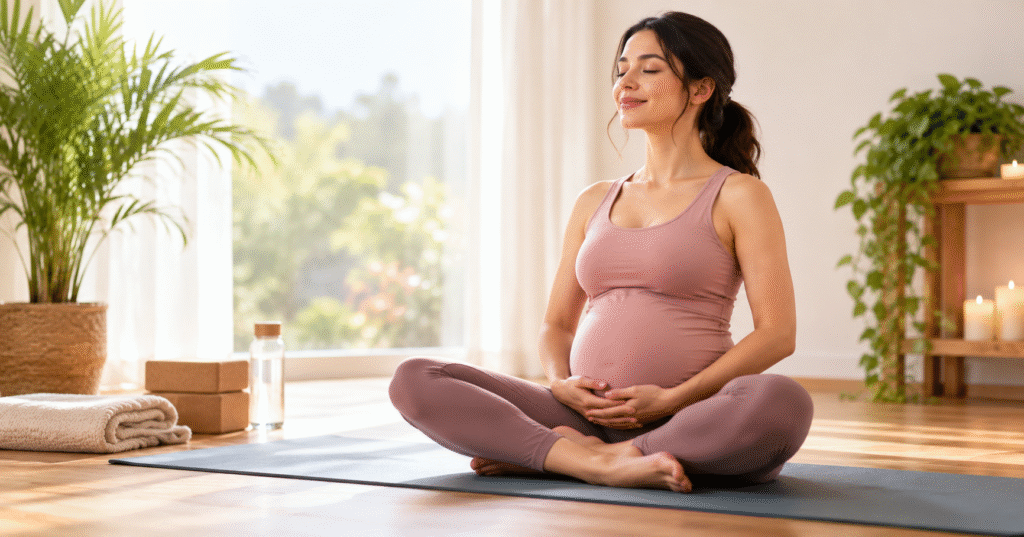
The first trimester of pregnancy brings many physical and emotional changes as your body begins to adapt to your growing baby. During this time, you may wonder whether prenatal yoga is safe and if it is the right time to start practising. Prenatal yoga can be beneficial during the first trimester for many women with uncomplicated pregnancies, helping promote relaxation, gentle movement, and stress management. However, it is important to choose pregnancy-friendly poses, avoid strenuous movements, and consult your healthcare provider before starting a new exercise routine. Understanding the benefits and precautions can help you make an informed decision about practising prenatal yoga during early pregnancy.
Is First Trimester Yoga Safe?
Yes, gentle prenatal yoga is generally safe during the first trimester for women with uncomplicated pregnancies, provided they follow appropriate precautions. It can help reduce stress, promote relaxation, and maintain gentle physical activity during early pregnancy. Avoid intense poses, overheating, and movements that cause discomfort, and consult your healthcare provider before starting yoga. Always choose a qualified prenatal yoga instructor who understands the needs of pregnant women.
What Poses Should You Avoid in First Trimester Yoga?
During the first trimester, you may be able to continue your usual yoga practice with a few modifications. Choose gentle movements, avoid putting pressure on your abdomen, and use props such as cushions or yoga blocks to support your body. Listen to your body and stop any pose that causes discomfort, dizziness, or pain.
During the first trimester, avoid:
- Deep twists, intense backbends, and deep forward bends
- Poses that involve strong abdominal contractions
- Positions that put excessive pressure on your belly
- Advanced inversions unless you have appropriate experience and professional guidance
- Hot yoga or practices that may cause overheating
Consult your healthcare provider before continuing or starting a yoga routine during pregnancy, especially if you have any pregnancy-related complications.
Prenatal Yoga Poses to Support the First Trimester of Pregnancy
Gentle prenatal yoga poses can help support relaxation, improve posture, and maintain mobility during the first trimester. Choose comfortable movements, avoid overstretching, and consult your healthcare provider before starting or continuing a yoga routine.
Cat-Cow Pose (Marjaryasana-Bitilasana)
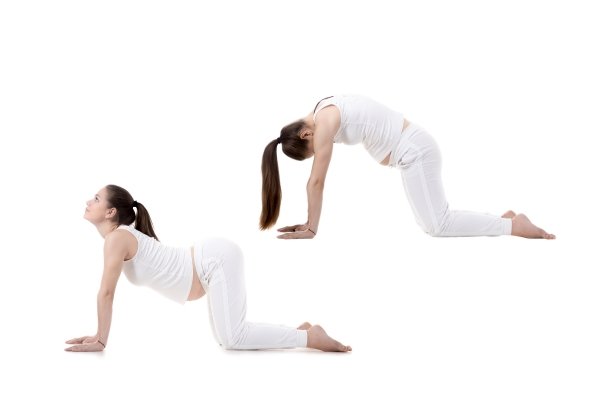
Cat-Cow Pose gently stretches the back and helps improve spinal mobility. It encourages controlled breathing and may help relieve mild back tension. Keep your movements slow and within a comfortable range.
How to Do It
- Start on your hands and knees, with your wrists under your shoulders and knees under your hips.
- Inhale and gently lift your chest while allowing your back to curve naturally.
- Exhale and gently round your back without forcing your chin toward your chest.
- Continue moving slowly between the two positions while breathing comfortably.
- Repeat 5–8 times, stopping if you experience discomfort.
Bound Angle Pose (Baddha Konasana)
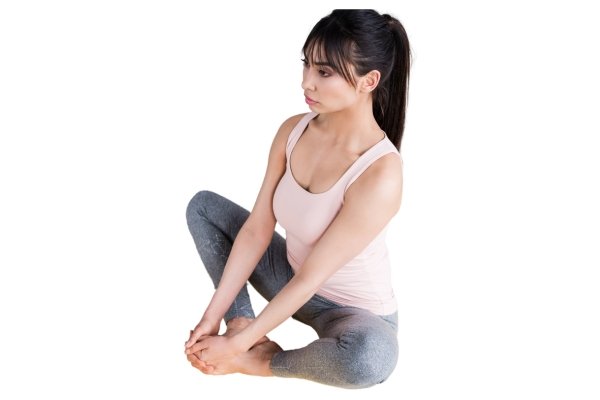
Bound Angle Pose gently stretches the inner thighs and promotes relaxation. It encourages an upright posture and can be practised while sitting on a yoga mat. Use a cushion under your hips for additional comfort.
How to Do It
- Sit comfortably on a yoga mat with your legs extended.
- Bend your knees and bring the soles of your feet together.
- Allow your knees to move gently outward without pushing them down.
- Hold your feet loosely and sit upright with relaxed shoulders.
- Breathe naturally and hold the position for 20–30 seconds.
Mountain Pose (Tadasana)
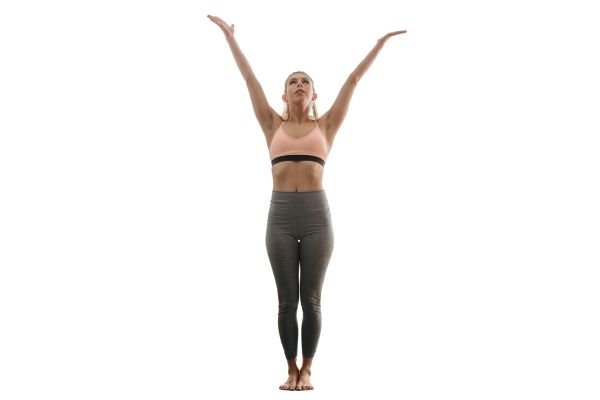
Mountain Pose helps improve posture, balance, and body awareness during pregnancy. It encourages you to stand tall while keeping your shoulders relaxed and your breathing steady. Stand near a wall or chair if you need extra support.
How to Do It
- Stand with your feet hip-width apart for better balance.
- Distribute your weight evenly across both feet.
- Keep your spine naturally aligned and relax your shoulders.
- Let your arms rest beside your body and breathe naturally.
- Hold the pose for 20–30 seconds without locking your knees.
Supported Child’s Pose (Balasana)
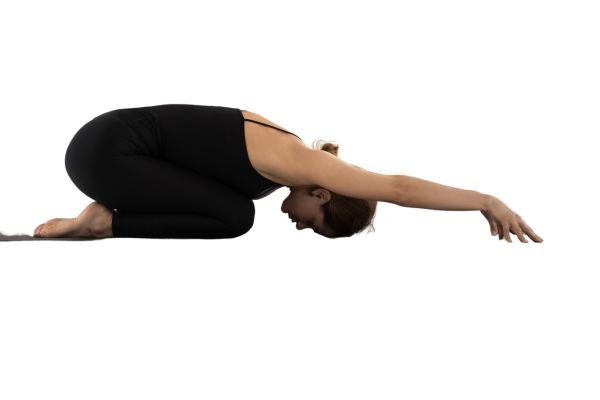
Supported Child’s Pose can encourage relaxation and gently stretch the back and hips. During pregnancy, modify the traditional pose by keeping your knees comfortably apart and allowing room for your abdomen. Use cushions or bolsters to support your upper body rather than forcing a deep stretch.
How to Do It
- Begin on your hands and knees on a comfortable yoga mat.
- Gently widen your knees to create space for your abdomen.
- Place a bolster or stacked cushions in front of you.
- Slowly lower your upper body onto the support while keeping your breathing comfortable.
- Remain in the position for 20–30 seconds, then return to the starting position slowly.
Seated Side Stretch
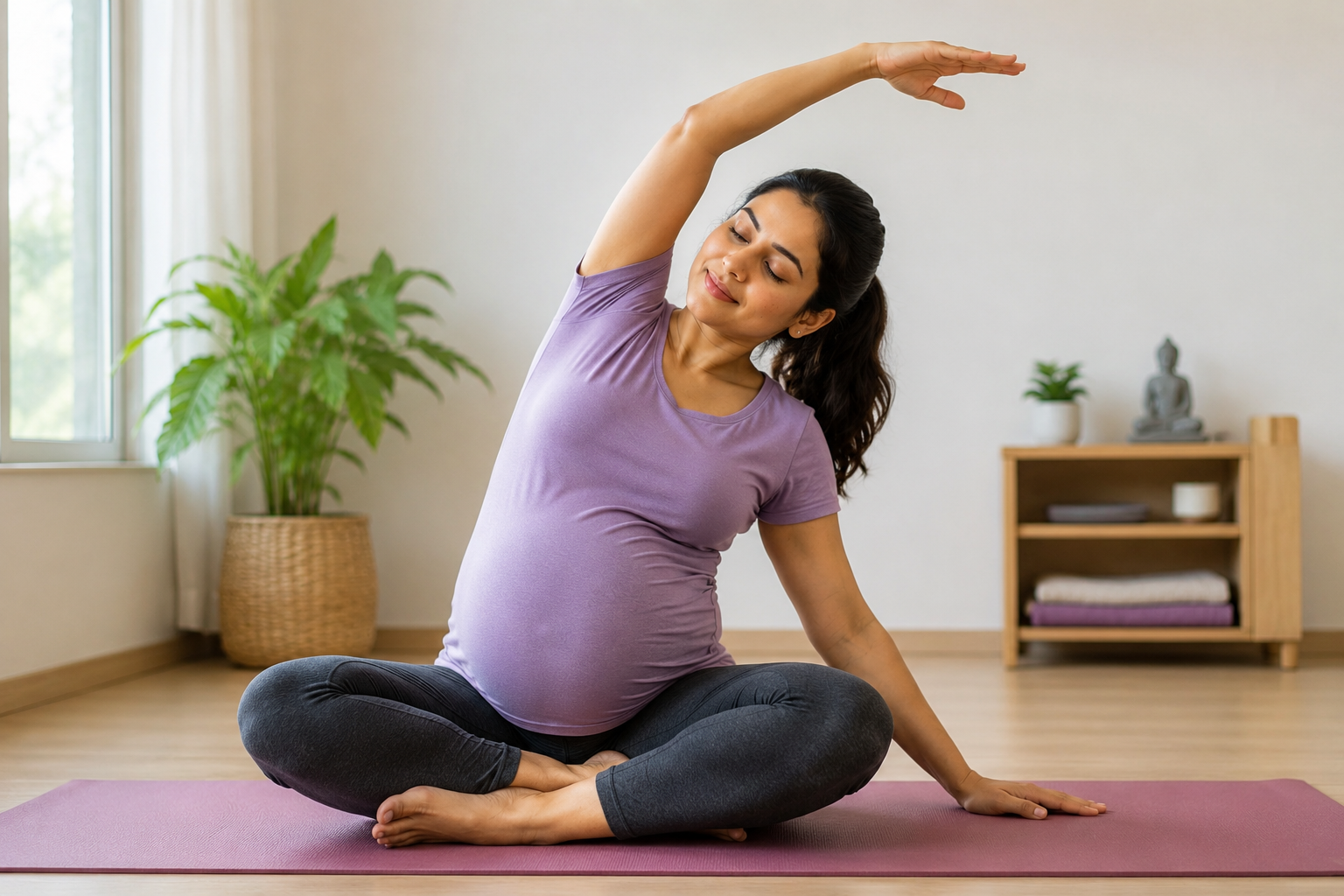
The Seated Side Stretch gently lengthens the muscles along the sides of your torso. It encourages comfortable breathing and may help relieve mild tension around the shoulders and upper back. Keep the stretch gentle and avoid compressing your abdomen.
How to Do It
- Sit comfortably cross-legged or on a cushion with your spine upright.
- Place your left hand on the floor beside you for support.
- Raise your right arm gently overhead.
- Lean slightly to the left without twisting your torso or forcing the stretch.
- Hold for 15–20 seconds, return to the centre, and repeat on the opposite side.
Benefits of First Trimester Yoga
Helps Reduce Stress and Anxiety
Gentle prenatal yoga combines breathing techniques and relaxation to help manage stress during early pregnancy. It may promote emotional well-being and help you feel calmer as your body adjusts to pregnancy.
Improves Flexibility and Mobility
Gentle yoga movements help maintain flexibility and support comfortable movement. They can also help ease mild muscle tension and stiffness when practised within a comfortable range.
Supports Better Sleep
Relaxation techniques and mindful breathing may help you unwind before bedtime. Regular gentle practice can support better sleep habits during the first trimester.
Helps Improve Posture
Yoga encourages body awareness and proper alignment, which can help you maintain comfortable posture as your body changes. Gentle stretches may also help relieve mild tension in the back and shoulders.
Encourages Mind-Body Connection
Prenatal yoga helps you focus on your breathing and become more aware of your body’s needs. This mindful approach can support relaxation and help you adapt to the physical and emotional changes of early pregnancy.
Start Your First Trimester with Safe and Gentle Prenatal Yoga
Prenatal yoga can help you relax, reduce stress, and stay active during the first trimester of pregnancy. Choose gentle poses, avoid difficult movements, and stop if you feel any discomfort. Always consult your doctor before starting yoga to make sure it is safe for you and your baby. With the right guidance, prenatal yoga can be a helpful part of your pregnancy journey.
At Body & Mind Yogi, our expert-led prenatal yoga classes in Dubai are designed to help expecting mothers stay active, reduce pregnancy discomfort, and prepare for a healthier, more confident pregnancy journey. Join us to experience safe, guided yoga practices that support both you and your growing baby.

