

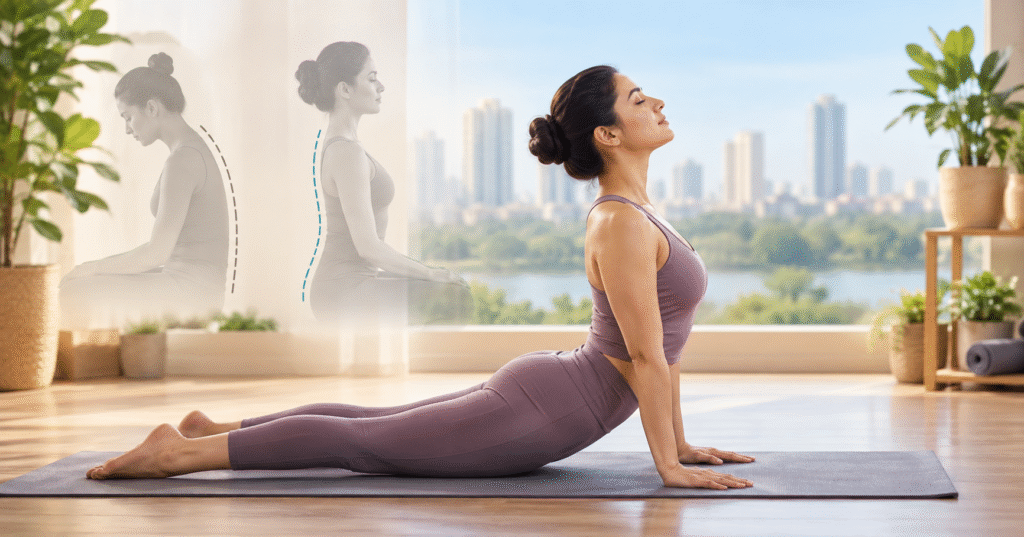
Good posture is more than simply sitting or standing up straight—it reflects how well your body is aligned and how efficiently you move throughout the day. Long hours at a desk, frequent screen use, and limited physical activity can gradually contribute to rounded shoulders, a forward head position, and stiffness in the back and hips. Yoga can help address these habits by combining mindful movement, flexibility, strength, balance, and body awareness. With regular practice, certain yoga poses can help you understand your alignment and develop greater control over how you hold and move your body.
What Is Good Posture and Proper Alignment?
Good posture means positioning your body in a way that allows your muscles, joints, and spine to work efficiently without unnecessary strain. It is not about keeping your back rigid or forcing your shoulders backward. Instead, healthy posture involves maintaining a natural alignment between the head, shoulders, spine, pelvis, hips, knees, and feet.
Proper alignment helps distribute your body weight more evenly and allows you to move with greater ease and stability. For example, when standing, your head should remain comfortably over your shoulders, your shoulders relaxed, your spine maintain its natural curves, and your weight balanced between both feet.
Posture also changes depending on what you are doing. Sitting, walking, exercising, and standing require slightly different positions. Yoga can help you become more aware of these positions, making it easier to recognize unnecessary tension, imbalances, or habits that may affect your alignment.
Can Yoga Really Improve Posture?
Yes, regular yoga practice can support better posture by improving strength, flexibility, balance, and body awareness. Rather than simply telling you to “sit up straight,” yoga helps you understand how your body is positioned and how different muscles work together to maintain alignment.
Many yoga poses strengthen the core, back, hips, and legs, which are important for supporting the spine and maintaining a stable posture. At the same time, stretches and mobility-focused poses can help release tightness in areas such as the chest, shoulders, hips, and hamstrings that may contribute to poor alignment.
Yoga also places emphasis on mindful movement and controlled breathing. This can help you become more aware of habits such as rounding your shoulders, leaning forward, or shifting your weight unevenly. With consistent practice, this greater body awareness may help you carry better alignment into everyday activities such as sitting at a desk, walking, standing, and lifting.
However, yoga is not a quick fix for every posture problem. Results can vary depending on the cause of poor posture, your daily habits, physical condition, and consistency. Combining yoga with regular movement and an ergonomically supportive environment can make it easier to develop healthier posture habits over time.
Common Causes of Poor Posture
Poor posture often develops gradually through everyday habits rather than from a single cause. Spending long periods in the same position, limited physical activity, and muscle imbalances can all affect how the body naturally holds itself. Understanding these common causes can help you identify habits that may be affecting your alignment.
Long Hours of Sitting
Sitting at a desk for extended periods can encourage rounded shoulders, a forward head position, and reduced movement in the spine and hips. Without regular breaks, these positions can become habitual.
Excessive Screen and Smartphone Use
Looking down at a phone or leaning toward a computer screen can place the head and neck in a forward position. Repeating this posture for hours each day may contribute to neck and upper-back tension.
Weak Core and Back Muscles
The core and back muscles help provide stability and support for the spine. When these muscles are weak or not properly engaged, maintaining an upright posture may become more difficult.
Tight Muscles and Limited Flexibility
Tightness in the chest, shoulders, hips, and hamstrings can restrict natural movement and affect alignment. Regular stretching and mobility exercises can help maintain a more comfortable range of motion.
Lack of Regular Movement
Staying in one position for too long can cause stiffness and reduce body awareness. Regular walking, stretching, and changing positions throughout the day can help keep the body mobile.
Yoga Poses for Better Posture and Alignment
Certain yoga poses can help strengthen the muscles that support your spine, improve flexibility, and develop greater awareness of your body alignment. Here are five beginner-friendly poses to include in a posture-focused yoga routine.
Mountain Pose (Tadasana)
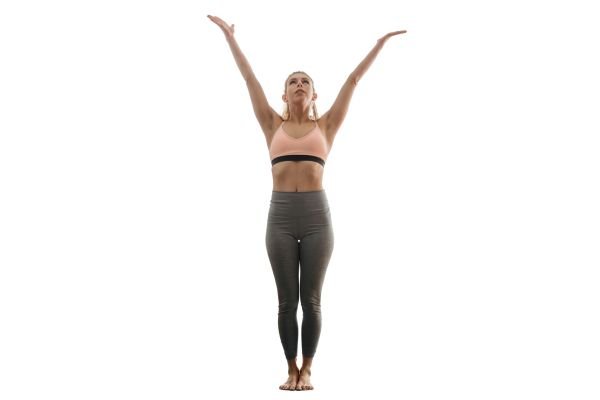
Mountain Pose teaches you how to stand with balanced alignment while engaging your core and keeping your spine naturally upright.
How to Do It:
- Stand tall with your feet hip-width apart.
- Distribute your weight evenly across both feet.
- Keep your spine long and gently engage your core.
- Relax your shoulders and keep your head aligned over your spine.
- Take slow, steady breaths while holding the position for 30–60 seconds.
Cat-Cow Pose (Marjaryasana-Bitilasana)
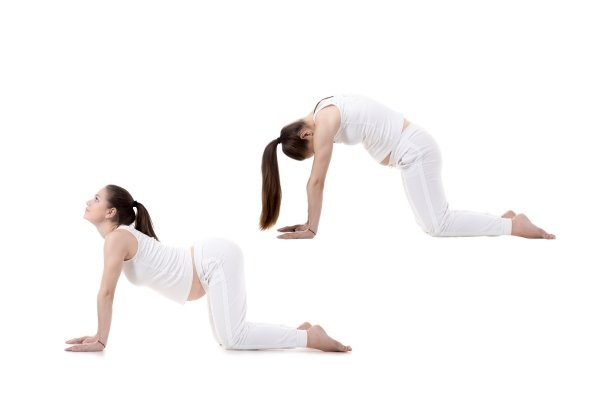
Cat-Cow gently mobilizes the spine and helps you become more aware of spinal movement and alignment.
How to Do It:
- Start on your hands and knees with wrists below shoulders.
- Inhale and gently lower your belly while lifting your chest.
- Exhale and round your spine toward the ceiling.
- Move slowly between the two positions with your breath.
- Repeat for 5–10 comfortable cycles.
Cobra Pose (Bhujangasana)
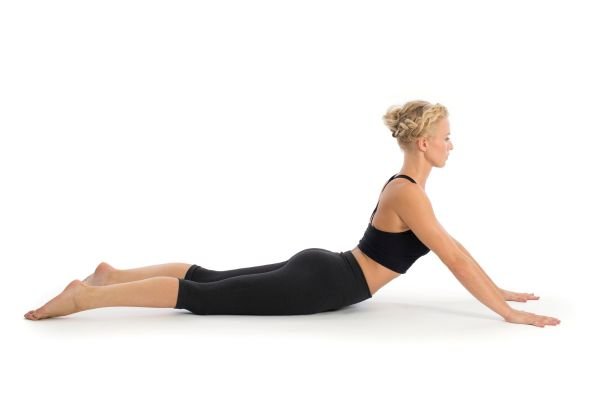
Cobra Pose strengthens the back muscles while opening the chest and shoulders, which can support a more upright posture.
How to Do It:
- Lie on your stomach with your legs extended behind you.
- Place your palms beside your chest with elbows close to your body.
- Inhale and gently lift your chest using your back muscles.
- Keep your shoulders relaxed and avoid forcing your arms straight.
- Hold for 15–30 seconds, then slowly lower down.
Bridge Pose (Setu Bandhasana)
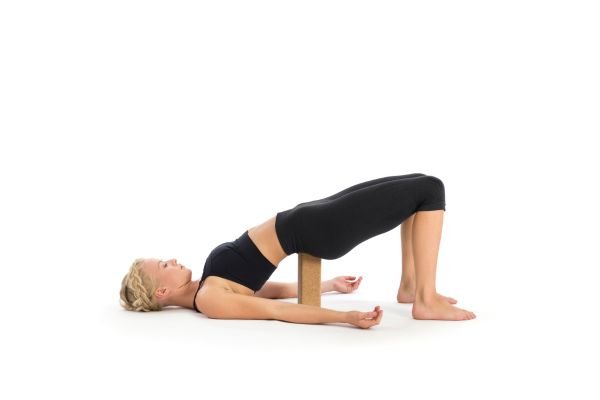
Bridge Pose strengthens the glutes, legs, and back while encouraging awareness of pelvic and spinal alignment.
How to Do It:
- Lie on your back with your knees bent and feet flat on the floor.
- Keep your feet hip-width apart and arms beside your body.
- Press your feet into the floor and gently lift your hips.
- Keep your knees aligned with your feet and your shoulders relaxed.
- Hold for 20–30 seconds, then slowly lower your hips.
Tree Pose (Vrikshasana)
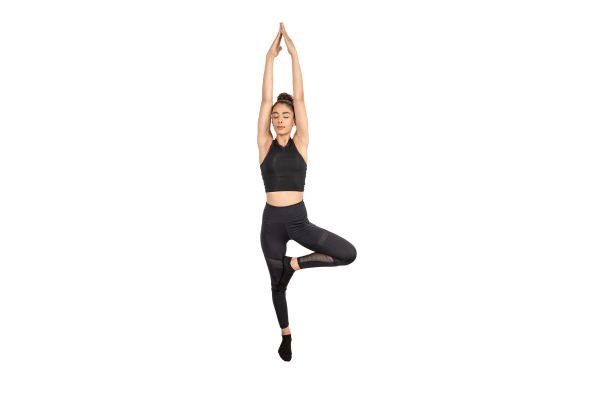
Tree Pose develops balance, stability, and body awareness while encouraging an upright and controlled posture.
How to Do It:
- Stand tall with your feet together or hip-width apart.
- Shift your weight onto one foot.
- Place the sole of your other foot against your inner calf or thigh.
- Keep your chest lifted, shoulders relaxed, and gaze forward.
- Hold for 20–30 seconds, then switch sides.
Build Better Posture Through Consistent Yoga Practice
Good posture starts with awareness, strength, flexibility, and balanced alignment. Regular yoga practice can help strengthen the muscles supporting the spine, release areas of tension, and improve awareness of how you move and position your body. Simple poses such as Mountain Pose, Cobra Pose, Bridge Pose, and Tree Pose can be incorporated into your routine to support healthier alignment. With consistent practice and mindful daily habits, yoga can be a valuable part of improving posture and overall body awareness.
Want to learn Yoga? Join us at Body and Mind Yoga Center for an enriching experience that harmonizes body and mind. Your path to wellness begins here. We provide the best yoga classes in Dubai with a variety of lessons suited to fit your needs and preferences.

