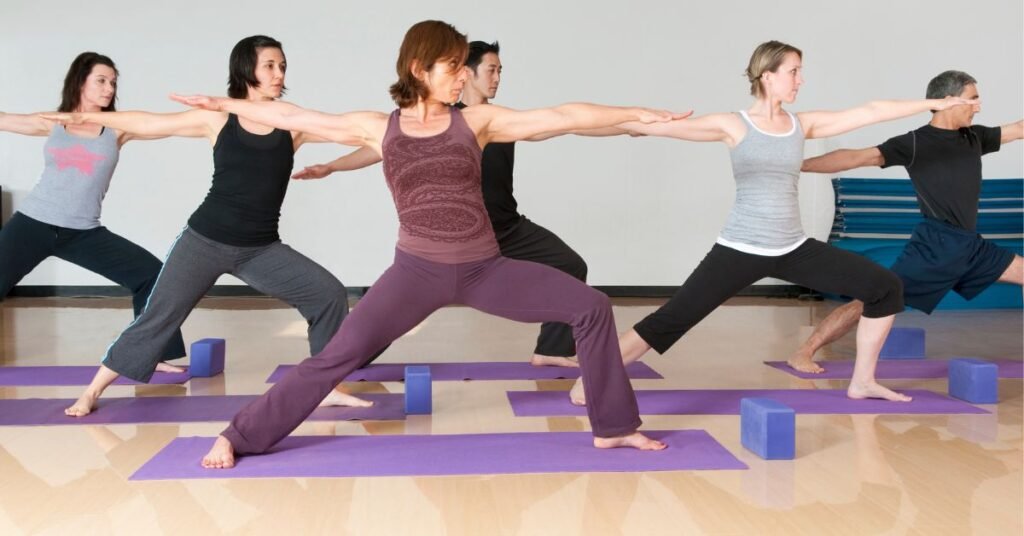
Prenatal yoga is a gentle, supportive practice designed to help expectant mothers stay active, calm, and connected throughout pregnancy. As your body changes and your baby grows, it’s natural to wonder when it’s safe to begin prenatal yoga and how often you should practice to get the most benefit without overdoing it. Whether you’re new to yoga or adapting an existing practice for pregnancy, understanding the right timing and frequency can make your journey more comfortable and confident.
Why Prenatal Yoga Important in a Healthy Pregnancy?
Prenatal yoga plays an important role in supporting a healthy pregnancy by gently strengthening the body, improving flexibility, and easing common discomforts such as back pain, swelling, and fatigue. Beyond the physical benefits, it encourages mindful breathing and relaxation, which can help reduce stress, improve sleep, and prepare the mind for labor and childbirth. By fostering a deeper connection between mother and baby, prenatal yoga also supports emotional well-being, helping expectant mothers feel more balanced, confident, and empowered throughout their pregnancy journey.
When to Start Prenatal Yoga?
Most expectant mothers can begin prenatal yoga as early as the first trimester, provided they have their healthcare provider’s approval and are feeling comfortable enough to exercise. Many women choose to start during the second trimester, when early pregnancy symptoms like nausea and fatigue often ease and energy levels improve. Regardless of when you begin, the key is to listen to your body, move gently, and choose classes or routines specifically designed for pregnancy to ensure safety and maximum benefit for both mother and baby.
How Often Should You Do Prenatal Yoga Classes?
For most healthy pregnancies, practicing prenatal yoga two to three times per week offers an ideal balance of movement, strength, and relaxation. This frequency helps maintain flexibility, reduce pregnancy-related aches, and build stamina without placing unnecessary strain on the body. Some women may enjoy gentle daily sessions focused on stretching and breathing, while others may prefer fewer classes depending on energy levels and trimester. As always, consistency matters more than intensity, and it’s best to adjust your routine based on how your body feels and any guidance from your healthcare provider.
5 Safe and Commonly Recommended Prenatal Yoga Poses
Cat–Cow Pose
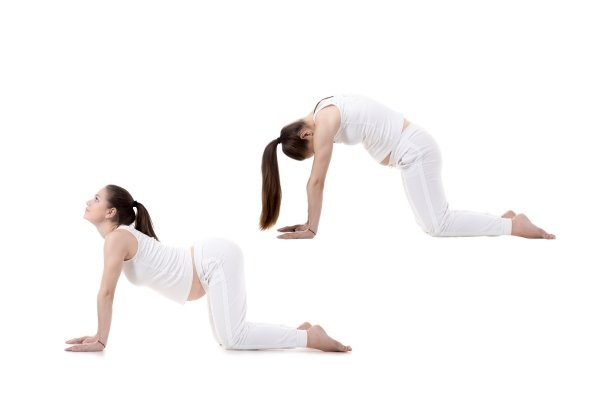
Cat–Cow gently stretches the spine and relieves tension in the back and neck. It also encourages mindful breathing and improves spinal flexibility during pregnancy.
How to Do It:
- Start on all fours with wrists under shoulders and knees under hips.
- Inhale, drop your belly, lift your chest, and look slightly upward (Cow).
- Exhale, round your spine and gently tuck your chin (Cat).
- Move slowly between Cow and Cat with your breath.
- Repeat for 5–10 rounds, staying relaxed.
Child’s Pose
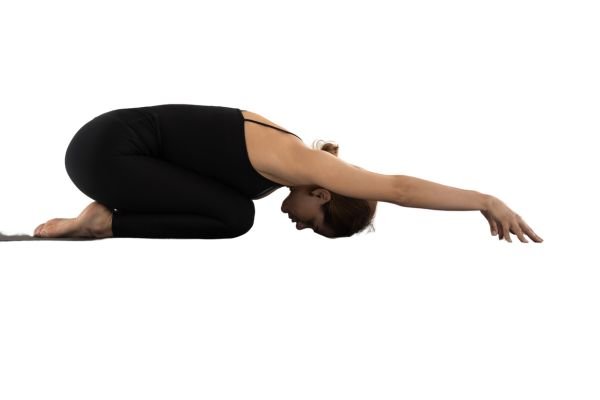
This calming pose helps reduce lower back tension and promotes relaxation. A wide-knee variation makes it comfortable and safe for a growing belly.
How to Do It:
- Kneel on the mat with knees wide apart and big toes touching.
- Sit back on your heels and slowly fold forward.
- Rest your torso between your thighs, supporting your head with a block or pillow.
- Extend arms forward or place them alongside your body.
- Breathe deeply and hold for 5–8 breaths.
Goddess Pose
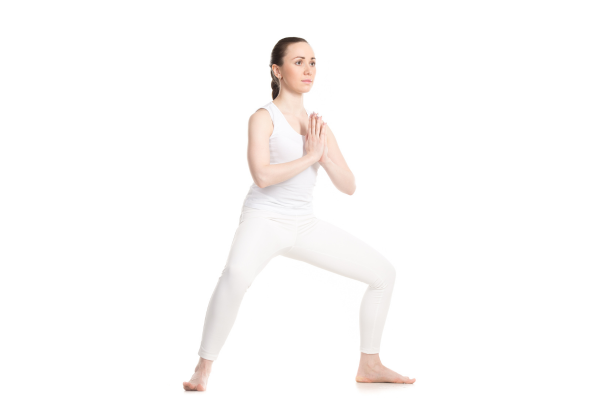
Goddess Pose strengthens the legs and pelvic floor while improving balance and stability. It also helps prepare the body for labor by opening the hips.
How to Do It:
- Stand with feet wide apart and toes turned slightly outward.
- Bend your knees, lowering into a squat-like position.
- Keep your spine upright and shoulders relaxed.
- Bring hands to your heart or raise arms with elbows bent.
- Hold for several breaths, then slowly straighten the legs.
Squat Pose (Malasana)
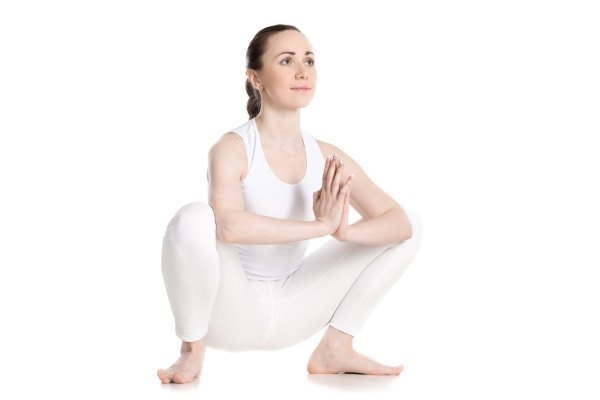
A supported squat strengthens the lower body and improves pelvic flexibility. It can be especially helpful in preparing for childbirth when practiced mindfully.
How to Do It:
- Stand with feet wider than hips and toes slightly turned out.
- Lower into a squat, keeping heels grounded (use a block under heels if needed).
- Bring hands together at the chest for balance.
- Keep your chest lifted and spine long.
- Hold for a few breaths, then rise slowly.
Seated Butterfly Pose
This gentle seated pose helps open the hips and ease tension in the lower back while promoting relaxation. It is simple, calming, and safe for most stages of pregnancy.
How to Do It:
- Sit upright on a mat or cushion with your spine tall.
- Bring the soles of your feet together and let your knees drop outward comfortably.
- Hold your feet or ankles gently with your hands.
- Keep your chest open and shoulders relaxed as you breathe deeply.
- Stay in the pose for 5–10 slow breaths, then release gently.
Embrace Prenatal Yoga for a Healthy and Balanced Pregnancy
Prenatal yoga is a gentle yet powerful way to support your body and mind throughout pregnancy. By starting at the right time, practicing at a comfortable frequency, and choosing safe, pregnancy-friendly poses, you can enjoy improved strength, flexibility, relaxation, and emotional balance as your body changes. Most importantly, prenatal yoga encourages you to slow down, listen to your body, and build a deeper connection with your baby. With consistency, mindfulness, and guidance from your healthcare provider, this practice can become a nurturing part of a healthy and positive pregnancy journey.
Join us at Body and Mind Yoga Center, where our specialized prenatal yoga classes in Dubai provide a nurturing environment for mothers-to-be to connect with their bodies and their growing babies.

