5 Easy Yoga Poses to Improve Blood Circulation
Good blood circulation is crucial for overall health, ensuring that oxygen and nutrients reach every cell in your body while removing waste products. Poor circulation can lead to fatigue, cramps, and more serious conditions. Yoga, with its combination of gentle movements, deep stretches, and controlled breathing, naturally improves blood flow. Regular practice can boost circulation, support organ function, and promote overall well-being, regardless of your fitness level or experience. How Yoga Increases Blood Flow? Yoga has been used for centuries to enhance health, with one of its most important benefits being improved blood circulation. Through various yoga poses (asanas), the body is stretched, strengthened, and gently compressed, which helps blood flow more freely. Breathing exercises (pranayama) also contribute by reducing high blood pressure and promoting better blood flow to your tissues. Regardless of the style or intensity of yoga you practice, it can help your body circulate blood more efficiently. You don’t have to be highly fit or experienced to benefit from it. With regular yoga practice, even a few times a week, you can boost your circulation and improve your overall health. Here are 5 Yoga Poses to Improve Blood Circulation Viparita Karani (Legs-up-the-wall Pose) Viparita Karani is a calming and restorative pose that gently reverses blood flow, helping to alleviate swelling in the lower limbs. It relaxes the mind and body, making it ideal for stress relief and improved circulation. This pose also supports lymphatic drainage and reduces fatigue. How to Do It: Sit sideways next to a wall. Lie back and swing your legs up against the wall, keeping your hips as close to the wall as possible. Rest your arms by your sides, palms facing upward. Close your eyes and breathe deeply for 5-10 minutes. Benefits: Relieves tired legs and feet. Enhances blood flow to the upper body. Calms the nervous system. Adho Mukha Svanasana (Downward-facing Dog Pose) Downward-facing Dog is a rejuvenating pose that increases blood flow to the brain and upper body, improving oxygenation. It stretches the spine, shoulders, and legs while strengthening the arms and core. This pose also helps reduce tension and boosts overall energy levels. How to Do It: Start on your hands and knees, forming a tabletop position. Tuck your toes and lift your hips toward the ceiling, straightening your legs. Spread your fingers wide and press firmly into your palms. Hold the pose for 30 seconds to 1 minute, focusing on your breath. Benefits: Boosts blood flow to the brain. Stretches and strengthens the body. Alleviates stress and fatigue. Utkatasana (Chair Pose) Utkatasana engages the lower body muscles, stimulating circulation in the legs and hips. This pose builds strength and endurance while promoting balance and focus. It’s a great way to enhance blood flow and improve posture. How to Do It: Stand tall with your feet together. Bend your knees as if sitting in a chair, keeping your weight in your heels. Raise your arms overhead with your palms facing each other. Hold for 20-30 seconds while maintaining steady breathing. Benefits: Improves blood circulation in the legs. Strengthens thighs and calves. Enhances focus and balance. Padahasthasana (Standing Forward Bend) This pose stretches the hamstrings and spine, encouraging blood flow to the head and upper body. It calms the mind, relieves stress, and improves flexibility. Regular practice of Padahasthasana can help rejuvenate tired muscles and promote relaxation. How to Do It: Stand straight with your feet hip-width apart. Inhale deeply, then exhale and fold forward from your hips. Allow your hands to touch the ground or grab the back of your calves. Relax your neck and stay in this pose for 30 seconds to 1 minute. Benefits: Stimulates the nervous system. Enhances circulation in the upper body. Promotes relaxation and flexibility. Bhujangasana (Cobra Pose) Cobra Pose opens up the chest and lungs, increasing circulation to the heart and upper body. It strengthens the spine and helps relieve tension in the back and shoulders. This pose also energizes the body, making it a great addition to any yoga practice. How to Do It: Lie face-down with your palms under your shoulders. Press into your palms and lift your chest off the ground, keeping your elbows slightly bent. Keep your shoulders relaxed and your gaze forward or slightly upward. Hold the pose for 15-30 seconds, breathing deeply. Benefits: Opens up the chest and lungs. Enhances spinal flexibility. Stimulates blood flow to the heart and upper body. Boost Blood Circulation with Yoga Incorporating yoga into your routine is a simple yet effective way to improve blood circulation and enhance overall health. By practicing a variety of poses and utilizing mindful breathing techniques, you can naturally stimulate better blood flow, reduce stress, and improve your energy levels. Whether you’re new to yoga or an experienced practitioner, regular practice will provide lasting benefits for your circulatory system and overall well-being. Join us at Body and Mind Yoga Center for an enriching experience that harmonizes body and mind. Your path to wellness begins here. We provide the Yoga classes In Dubai with a variety of lessons suited to fit your needs and preferences.
Top 5 Yoga Poses to Relieve Constipation

Constipation can be an uncomfortable experience that affects your overall well-being. Incorporating yoga into your routine can be a natural and effective way to ease constipation. Certain yoga poses stimulate the digestive system, improve circulation, and relax abdominal muscles, making it easier for your body to function efficiently. Below are five yoga poses to help relieve constipation and promote digestive health. How Yoga Helps Constipation? Yoga supports colon health by enhancing digestion, aiding toxin removal, and fostering balance in the body. It stimulates blood flow and circulation, which promotes peristalsis and prevents constipation by accelerating the elimination process. Yoga helps eliminate toxins by improving lymphatic drainage and bowel movements, lowering the risk of colon cancer. Practicing yoga also boosts digestive health by strengthening the abdominal muscles and incorporating poses that keep your head below heart level. Tired of Being Constipated? Try Out These 5 Yoga Poses for Relief Vajrasana (Thunderbolt Pose) Vajrasana is a simple kneeling pose that enhances digestion by improving blood flow to the abdominal region. Practicing it regularly, especially after meals, can help reduce bloating, promote relaxation, and support overall digestive health. How to Do It: Kneel on the floor with your knees close together and sit back on your heels. Keep your back straight and rest your hands on your thighs, palms facing down. Close your eyes, relax your body, and breathe deeply. Hold the pose for 5-10 minutes after meals to enhance digestion. Benefits: Promotes better digestion. Reduces bloating and discomfort. Calms the mind and relieves stress, which can contribute to constipation. Bhujangasana (Cobra Pose) Cobra Pose stretches the abdomen and stimulates digestive organs, making it an excellent remedy for constipation. It also strengthens the spine and relieves tension, contributing to better gut health and overall well-being. How to Do It: Lie on your stomach with your legs extended and hands placed under your shoulders. Press your palms into the ground and lift your chest, arching your back slightly. Keep your elbows slightly bent and your shoulders relaxed. Hold the pose for 15-30 seconds while breathing deeply, then release. Benefits: Improves circulation to the abdominal area. Strengthens the lower back and core muscles. Relieves stress, which can impact digestion. Paschimottanasana (Seated Forward Bend Pose) The Seated Forward Bend compresses the abdominal area, massaging internal organs and stimulating bowel movements. This pose also helps release stress, which is often linked to digestive issues like constipation. How to Do It: Sit on the floor with your legs extended straight in front of you. Inhale and raise your arms overhead, elongating your spine. Exhale and bend forward from the hips, reaching for your feet or ankles. Keep your back straight and hold the pose for 20-30 seconds while breathing deeply. Benefits: Eases constipation by massaging the abdominal area. Reduces bloating and discomfort. Relaxes the nervous system. Pavanamuktasana (Wind-Relieving Pose) Wind-Relieving Pose is a powerful posture for releasing trapped gas and stimulating the intestines. By gently massaging the abdomen, it provides quick relief from bloating and promotes healthy digestion. How to Do It: Lie on your back with your legs extended. Bend one knee and bring it toward your chest, clasping it with both hands. Hold the pose for 15-20 seconds while breathing deeply, then switch legs. Repeat with both knees together for an enhanced effect. Benefits: Relieves bloating and trapped gas. Stimulates the digestive organs. Encourages bowel movements and reduces discomfort. Balasana (Child’s Pose) Child’s Pose is a restful posture that gently compresses the abdomen, stimulating digestive processes. It helps calm the mind, reduce stress, and relax the body, all of which support smoother digestion. How to Do It: Kneel on the floor and sit back on your heels. Stretch your arms forward and lower your torso toward the ground. Rest your forehead on the mat and relax your entire body. Hold the pose for 1-2 minutes, focusing on deep breathing. Benefits: Gently stretches and compresses the abdominal muscles. Reduces tension in the lower back and abdomen. Relieves stress, aiding overall digestive health. Tips for Practicing Yoga for Constipation Relief Practice on an empty stomach or wait at least 2 hours after eating. Stay hydrated and maintain a fiber-rich diet for optimal results. Breathe deeply during each pose to maximize the benefits. Consult a doctor if constipation persists. Unlock Better Digestion and Colon Health with Yoga! Yoga is a powerful tool for improving digestion and relieving constipation naturally. It helps stimulate the digestive system, promote relaxation, and reduce stress, which are all key factors in maintaining gut health. Incorporating these yoga poses into your daily routine can provide natural relief from constipation while promoting overall digestive health. Make yoga a habit and enjoy the benefits of a healthier, happier gut! Join us at Body and Mind Yoga Center for an enriching experience that harmonizes body and mind. Your path to wellness begins here. We provide the Yoga classes In Dubai with a variety of lessons suited to fit your needs and preferences.
5 Yoga Poses for Hormonal Imbalance in Females
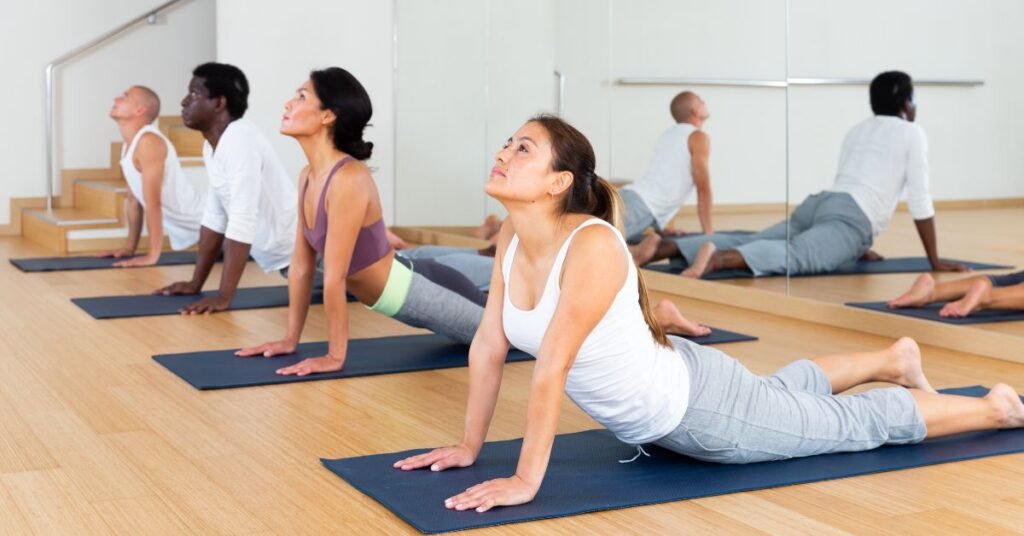
Hormonal imbalances can disrupt a woman’s overall well-being, affecting energy levels, mood, reproductive health, and more. Yoga provides a powerful and holistic approach to restoring hormonal balance by directly targeting the endocrine system. Through specific poses and practices, yoga helps reduce stress, stimulate the thyroid gland, improve blood circulation to reproductive organs—especially beneficial for those with PCOS—and enhance digestive health. Pranayama and mindfulness into your practice further supports mental well-being and hormonal regulation, offering a comprehensive way to address these imbalances naturally. Yoga for Hormonal Balance Yoga is an effective practice for promoting hormonal balance, particularly for women managing conditions like PCOS or other hormonal imbalances. Specific yoga poses and techniques directly influence the endocrine system, which is essential for maintaining proper hormone regulation. Here Are Simple Yoga Poses to Help Regulate and Balance Hormones Bridge Pose (Setu Bandhasana) The Bridge Pose is a gentle backbend that strengthens the spine, opens the chest, and improves circulation to hormone-regulating glands like the thyroid and adrenal glands. Benefits: Enhances thyroid function by stretching the neck. Promotes relaxation by opening the heart and relieving tension. Improves blood circulation to the endocrine glands. How to Do It: Lie flat on your back with your knees bent and your feet hip-width apart, flat on the floor. Place your arms alongside your body, palms facing down. Press firmly through your feet and lift your hips upward toward the ceiling. Roll your shoulders underneath your body and clasp your hands if possible. Hold the pose for 5–10 breaths, then slowly release by lowering your hips back to the floor. Cobra Pose (Bhujangasana) The Cobra Pose is an energizing backbend that stretches the abdomen and stimulates the adrenal glands, which help to reduce stress and hormonal regulation. Benefits: Boosts adrenal gland function to combat fatigue. Stretches the lower abdomen, stimulating the reproductive organs. Improves spinal flexibility and posture. How to Do It: Lie face down on your mat with your legs stretched back and your hands placed under your shoulders. Press your palms into the floor and slowly lift your chest and head off the ground as you inhale. Keep your elbows slightly bent and close to your sides. Draw your shoulder blades down and back, lifting your gaze slightly upward. Hold the pose for 5 breaths, then exhale as you lower your chest back down. Child’s Pose (Balasana) This restorative pose calms the nervous system and provides a deep sense of relaxation, which is essential for hormonal balance. Benefits: Reduces stress and cortisol levels. Encourages blood flow to the reproductive organs. Soothes the mind, promoting emotional balance. How to Do It: Start in a kneeling position with your big toes touching and your knees spread apart. Sit back on your heels and extend your arms forward on the mat. Rest your forehead on the floor and relax your shoulders. Close your eyes and take deep breaths, feeling your belly rise and fall. Hold for 1–2 minutes or longer, then slowly return to a seated position. Cat-Cow Pose (Marjaryasana-Bitilasana) This flow sequence massages the spine and stimulates the abdominal organs, including the thyroid gland, which regulates metabolism. Benefits: Stimulates hormone-regulating glands in the neck and abdomen. Improves digestion and relieves tension in the spine. Balances the nervous system. How to Do It: Start on your hands and knees, with your wrists aligned under your shoulders and your knees under your hips. Inhale as you arch your back, dropping your belly toward the mat while lifting your head and tailbone upward (Cow Pose). Exhale as you round your back, tucking your chin to your chest and drawing your belly button toward your spine (Cat Pose). Repeat this movement slowly, syncing your breath with the motion. Continue for 8–10 rounds, then return to a neutral spine. Legs-Up-the-Wall Pose (Viparita Karani) This gentle inversion allows blood to flow back toward the heart, calming the nervous system and supporting hormone balance. Benefits: Reduces stress by calming the hypothalamus-pituitary-adrenal axis. Improves circulation to the pelvic region and reproductive organs. Helps alleviate fatigue and insomnia. How to Do It: Sit sideways next to a wall with your knees bent and feet flat on the floor. Slowly lie back and swing your legs up against the wall, keeping your hips close to the base of the wall. Extend your arms to the sides or place them on your abdomen for relaxation. Close your eyes and take slow, deep breaths, holding the pose for 5–10 minutes. To come out, bend your knees and roll to one side before sitting up. Yoga Asana That Can Help in Regulation of Hormones Incorporating these yoga poses into your daily routine can greatly enhance hormonal balance and overall well-being. Practice regularly, stay consistent, and combine yoga with a balanced diet and proper sleep for the best results. If you’re new to yoga, consult a certified yoga instructor to ensure proper alignment and technique. Want to learn Yoga? Join us at Body and Mind Yoga Center for an enriching experience that harmonizes body and mind. Your path to wellness begins here. We provide the best yoga classes in Dubai with a variety of lessons suited to fit your needs and preferences.
Stay Warm and Active: 7 Yoga Poses Perfect for Winter Days
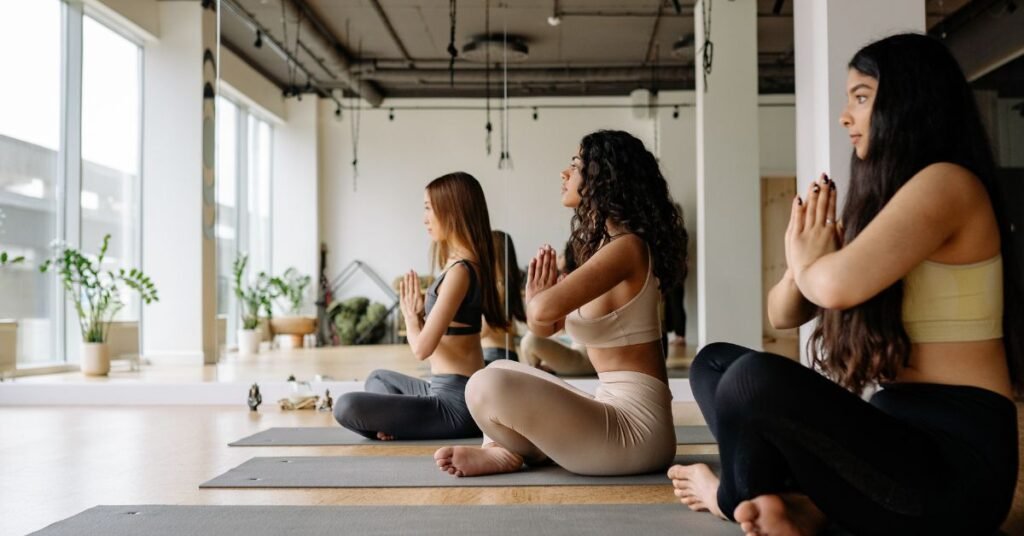
Winter brings a unique charm with its crisp air and cozy vibes, but it can also leave us feeling sluggish and low on energy. The shorter days, hormonal shifts, and colder weather often make staying active a challenge. While bundling up and indulging in hearty meals can bring temporary comfort, maintaining your physical and mental health during this season requires a more holistic approach. According to Ayurveda, winter is an ideal time to nurture both the mind and body with practices that promote warmth, balance, and vitality. Yoga and pranayama not only help ward off the physical stiffness brought on by the cold but also uplift your mood and strengthen your immunity. Whether you’re soaking in the winter sun outdoors or staying indoors on frosty days, yoga offers a versatile way to stay energized and beat the winter blues. 7 Yoga Poses for Winter to Tone and Energise You Surya Namaskar (Sun Salutation) Surya Namaskar is a dynamic sequence of yoga postures that energizes the body and mind. It combines forward and backward bends, enhancing flexibility and stimulating circulation. This series of poses is often used as a warm-up in yoga sessions and promotes overall vitality. How to Do It: Stand straight with your feet together and palms joined at your chest. Inhale and stretch your arms up overhead, arching your back slightly. Exhale and bend forward, bringing your hands toward your feet. Step back into a plank position, lower down gently, and then inhale as you lift your chest into Cobra Pose. Exhale and lift your hips upward to form an inverted “V” shape with your body. Step forward, straighten your body, and return to the Prayer Pose to complete the sequence. Virabhadrasana II (Warrior II) Warrior II is a powerful standing pose that builds strength and endurance in the legs while opening the hips and chest. It enhances balance and stability, promoting a sense of focus and determination. This pose is excellent for cultivating confidence and inner strength. How to Do It: Begin in a wide-legged stance with your feet about 3-4 feet apart. Turn your right foot 90° outward and your left foot slightly inward. Bend your right knee over your ankle, forming a 90° angle. Extend your arms horizontally, parallel to the floor, palms facing down. Gaze over your right hand and hold the pose for a few breaths before switching sides. Natarajasana (Dancer Pose) Dancer Pose is a graceful balancing posture that improves concentration and strengthens the legs and core. It also enhances flexibility in the back and shoulders while encouraging poise and mindfulness. This pose symbolizes the harmony of strength and elegance. How to Do It: Stand tall in Tadasana (Mountain Pose). Shift your weight onto your left foot and bend your right knee, bringing your right foot toward your glutes. Hold your right ankle with your right hand. Extend your left arm forward for balance and gently kick your right leg back, lifting your chest. Hold the pose, keeping your gaze steady, and switch sides. Bhujangasana (Cobra Pose) Cobra Pose is a gentle backbend that strengthens the spine and stretches the chest, shoulders, and abdomen. It helps relieve tension in the lower back and promotes better posture. This pose is invigorating and encourages an open heart and uplifted mood. How to Do It: Lie face down on your mat with your legs extended and palms under your shoulders. Press the tops of your feet into the mat. Inhale and gently lift your chest, using the strength of your back. Keep your elbows slightly bent and shoulders relaxed, away from the ears. Hold the pose for a few breaths, then release back to the mat. Adho Mukha Svanasana (Downward-Facing Dog) Downward-Facing Dog is a foundational yoga pose that stretches the entire body while strengthening the arms and shoulders. It promotes relaxation, improves blood flow, and helps lengthen the spine. This versatile pose is both energizing and calming. How to Do It: Start on your hands and knees in a tabletop position. Tuck your toes under and lift your hips toward the ceiling. Straighten your legs while keeping a slight bend in your knees if needed. Spread your fingers wide and press firmly into your palms. Align your ears with your arms, forming an inverted “V” shape, and hold for a few breaths. Vrikshasana (Tree Pose) Tree Pose is a balancing posture that strengthens the legs and improves posture. It promotes mental focus and stability while enhancing the connection between body and mind. This pose encourages calmness and a sense of grounding. How to Do It: Stand tall in Tadasana (Mountain Pose). Shift your weight onto your left foot and place the sole of your right foot on your inner left thigh or calf (avoid the knee). Bring your hands to a prayer position at your chest. Raise your arms overhead, keeping them straight, or keep them in a prayer position. Hold the pose, focusing on a fixed point in front of you, then switch sides. Utkatasana (Chair Pose) Utkatasana, or Chair Pose, is a powerful standing posture that strengthens the legs, glutes, and core while improving balance and stability. It also energizes the body and promotes focus and endurance. How to Do It: Stand tall with your feet together and arms at your sides. Inhale and stretch your arms straight overhead, keeping them parallel or palms together. Exhale and bend your knees as if you are sitting back into a chair. Keep your thighs as parallel to the ground as possible. Keep your back straight and your chest lifted, ensuring your knees stay behind your toes. Hold the pose for a few breaths, then straighten your legs and lower your arms to return to Mountain Pose. Yoga to Warm You Up From the Inside Out Embrace the warmth and vitality of yoga this winter with these seven poses that nurture your body and mind. Whether it’s stretching out stiffness or boosting circulation, these asanas are your perfect companions for staying active and cozy.
Top 5 Pregnancy Yoga Poses for Moms-to-Be
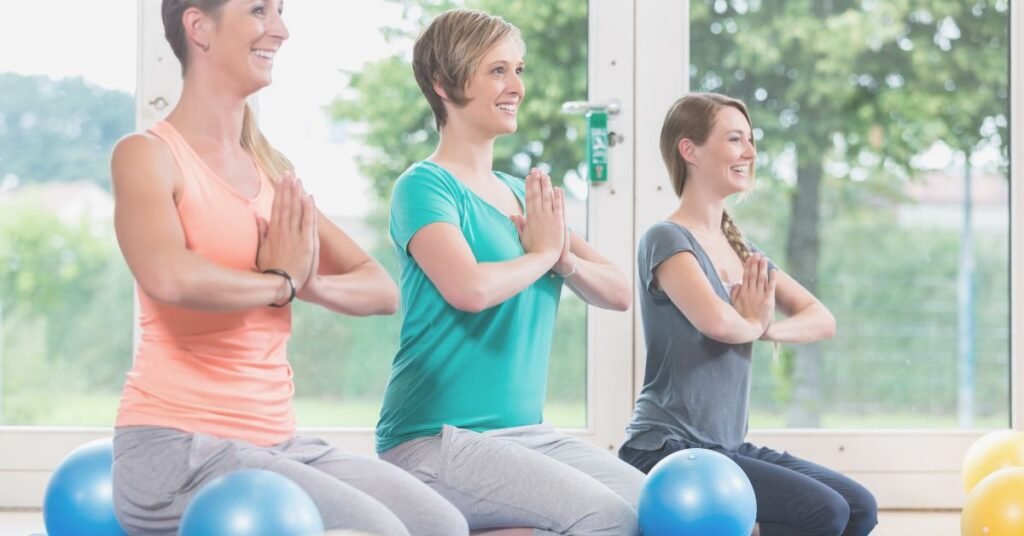
Prenatal yoga offers a gentle and effective way for moms-to-be to stay active, reduce stress, and prepare their bodies for childbirth. Practicing specific poses during pregnancy not only enhances flexibility and strength but also promotes relaxation and overall well-being. Pregnancy yoga poses are safe and beneficial, helping expectant mothers maintain physical health and emotional balance throughout their journey to motherhood. Is Yoga Safe During Pregnancy? Yoga is generally safe and highly beneficial during pregnancy when practiced under the guidance of a qualified instructor. It helps in improving flexibility, reducing stress, and preparing the body for childbirth. Prenatal yoga, in particular, is designed to cater to the needs of pregnant women, focusing on gentle stretches, yogic breathing techniques, and relaxation. Always consult your healthcare provider before starting any new exercise regimen, but yoga can be a wonderful way to support a healthy pregnancy. What is Prenatal Yoga? Prenatal yoga is a specialized form of yoga designed to support the unique physical and emotional needs of pregnant women. It focuses on gentle poses, breathing techniques, and relaxation exercises that promote flexibility, strength, and reduce stress. This type of yoga helps prepare the body for childbirth, eases common pregnancy discomforts, and fosters a deeper connection with the growing baby. Practicing prenatal yoga regularly can enhance overall well-being and contribute to a healthier, more balanced pregnancy. What Are the Top 5 Pregnancy Yoga Poses for Moms-to-Be? Marjariasana (Cat Pose/Cow Pose): Marjariasana involves alternating between arching and rounding your spine, resembling the movements of a cat and a cow. It helps improve spine flexibility and blood circulation. How to Do It: – Start on your hands and knees in a tabletop position. – Inhale as you arch your back, lifting your tailbone and head towards the ceiling (Cow Pose). – Exhale as you round your spine, tucking your chin towards your chest (Cat Pose). – Repeat these movements, syncing your breath with each motion. Badhakonasana (Butterfly Pose): Badhakonasana opens up the hips and groin area, improving flexibility and blood circulation in the pelvic region. It also helps in easing menstrual discomfort. How to Do It: – Sit on the floor with your spine erect and legs extended. – Bend your knees and bring the soles of your feet together, allowing your knees to drop towards the floor. – Hold your feet with your hands, keeping your spine straight. – Flap your knees up and down like butterfly wings while breathing deeply and gently pressing your knees towards the floor. Vajrasana (Hero Pose): Vajrasana is a seated posture that aids digestion, improves blood circulation to the lower body, and strengthens the pelvic muscles. How to Do It: – Kneel on the floor, with your knees together and toes pointing straight back. – Lower your buttocks to rest on your heels. – Keep your spine straight and hands resting on your thighs. – Hold the posture while breathing deeply and evenly. Malasana (Deep Squat): Malasana stretches the lower back, ankles, and groin while toning the abdominal muscles. It helps to improve digestion and increasing flexibility. How to Do It: – Stand with your feet slightly wider than hip-width apart, toes turned out. – Bend your knees and lower your hips towards the floor, coming into a squat position. – Keep your heels on the ground if possible, or use a rolled mat under your heels for support. – Bring your palms together at the center of your chest, using your elbows to press your knees gently apart. Goddess Pose (Utkata Konasana): Goddess Pose strengthens the legs, opens the hips and chest, and improves overall balance and stamina. It empowers and energizes the body. How to Do It: – Stand with your feet wider than hip-width apart, toes pointing outwards. – Bend your knees over your ankles, lowering your hips towards the ground. – Keep your spine straight and chest lifted. – Bring your arms out to shoulder height, bending your elbows to form a cactus shape or keeping them at the heart center. – Hold the pose while breathing deeply and engaging your leg muscles. Which Yoga is Best for Normal Delivery? For a smooth and natural delivery, yoga poses like Goddess Pose and Malasana are particularly beneficial. Goddess Pose strengthens the pelvic muscles, opens the hips, and improves overall flexibility, aiding in labor. Malasana, or the Garland Pose, enhances pelvic floor strength and encourages optimal fetal positioning. Both poses help in relieving pregnancy discomfort and preparing the body for childbirth. Incorporating these poses into a prenatal yoga routine can support a more efficient and less stressful delivery process. In conclusion, incorporating these prenatal yoga poses into your routine can offer significant physical and emotional benefits during pregnancy. From enhancing flexibility and strength to reducing stress and preparing the body for childbirth, these poses are designed to support a healthy pregnancy and a smoother delivery. Remember to practice under the guidance of a qualified instructor and consult your healthcare provider to ensure that your yoga routine is safe and tailored to your unique needs as an expectant mother. Join us at Body and Mind Yoga Center, where our specialized pregnancy yoga classes in Dubai provide a nurturing environment for mothers-to-be to connect with their bodies and their growing babies.
11 Yoga Poses for PCOS and Hormonal Imbalance

Yoga offers a holistic approach to managing Polycystic Ovary Syndrome (PCOS) by targeting the root cause of hormonal imbalance. Regular practice of specific yoga poses can help reduce stress, enhance circulation, and stimulate the reproductive organs, all of which contribute to balancing hormones naturally. Yoga poses that support women with PCOS, offering a gentle yet effective way to alleviate symptoms and promote overall well-being through mindful movement and breathwork. What is PCOS? Polycystic Ovary Syndrome (PCOS) is a hormonal disorder commonly affecting women of reproductive age. It is characterized by irregular menstrual cycles, excess androgen levels, and the presence of multiple small cysts on the ovaries. Women with PCOS may experience symptoms such as acne, weight gain, and hair growth in unwanted areas. The exact cause is unknown, but factors like genetics and insulin resistance are believed to play a role. Early diagnosis and treatment can help manage symptoms. Is PCOS Related to Hormonal Imbalance? Yes, PCOS is closely related to hormonal imbalance. Women with PCOS typically have higher levels of androgens, which are male hormones that are present in small amounts in women. This hormonal imbalance can lead to symptoms such as irregular menstrual cycles, acne, excessive hair growth, and difficulties with ovulation. Insulin resistance, another common feature of PCOS, can also contribute to the hormonal disruptions, further exacerbating the condition. What Are the Best Yoga Poses for PCOS and Hormonal Imbalance? Bhujangasana (Cobra Pose) A gentle backbend that stretches the chest, shoulders, and abdomen. Bhujangasana helps stimulate the reproductive organs and reduce stress, aiding in hormonal balance. Benefits: – Stimulates the reproductive organs. – Improves blood circulation, aiding in hormone regulation. – Reduces stress and fatigue, which can balance hormones. How to Do It: – Lie on your stomach with your legs extended and feet together. – Place your hands under your shoulders, elbows close to your body. – Inhale and gently lift your chest off the floor, keeping your elbows slightly bent. – Hold for a few breaths, then exhale as you lower yourself back down. Shalabhasana (Locust Pose) This pose strengthens the lower back and improves spinal flexibility. Shalabhasana stimulates the abdominal organs, promoting digestion and balancing hormones. Benefits: – Strengthens the lower back, improving spinal flexibility. – Stimulates the abdominal organs, helping with digestion and hormone balance. – Relieves stress and anxiety. How to Do It: – Lie face down with your arms alongside your body, palms facing down. – Inhale and lift your head, chest, and legs off the floor simultaneously. – Keep your arms and legs straight, hold for a few breaths. – Exhale as you lower your body back to the starting position. Setu Bandha Sarvangasana (Bridge Pose) A powerful chest opener that strengthens the back and glutes. This pose stimulates the thyroid gland and improves circulation, supporting hormonal balance. Benefits: – Opens the chest and heart, improving circulation and energy flow. – Stimulates the thyroid gland, helping regulate hormones. – Strengthens the back and glutes, reducing lower back pain. How to Do It: – Lie on your back with your knees bent and feet hip-width apart. – Place your arms alongside your body, palms facing down. – Inhale and lift your hips toward the ceiling, engaging your glutes. – Hold for a few breaths, then exhale as you lower your hips back down. Ustrasana (Camel Pose) A deep backbend that stretches the front of the body and stimulates the reproductive organs. Ustrasana helps reduce menstrual cramps and supports hormonal health. Benefits: – Stretches the entire front of the body, particularly the chest and abdomen. – Stimulates the ovaries and thyroid gland, aiding in hormonal balance. – Reduces menstrual discomfort and improves digestion. How to Do It: – Kneel on the floor with your knees hip-width apart. – Place your hands on your lower back for support. – Inhale and arch your back, reaching your hands toward your heels. – Keep your neck relaxed, hold for a few breaths. – Exhale and slowly return to the starting position. Prasarita Padottanasana (Wide Stance Forward Bend) A calming forward bend that stretches the hamstrings and lower back. This pose helps relieve stress and stimulates the abdominal organs, aiding in hormonal regulation. Benefits: – Calms the mind, reducing stress and anxiety. – Stimulates the abdominal organs, aiding digestion and hormone regulation. – Stretches the hamstrings, calves, and lower back. How to Do It: – Stand with your feet wide apart, toes slightly turned in. – Inhale, lengthen your spine, and exhale as you fold forward from your hips. – Place your hands on the floor or your ankles, keeping your back straight. – Hold for a few breaths, then inhale as you slowly rise back up. Ardha Chandrasana (Half Moon Pose) A balancing pose that strengthens the legs and core while enhancing mental clarity. Ardha Chandrasana stimulates the reproductive and digestive organs, promoting hormonal balance. Benefits: – Improves balance and coordination, enhancing focus and mental clarity. – Strengthens the legs and core, boosting overall stability. – Stimulates the reproductive and digestive organs, aiding in hormone balance. How to Do It: – Stand with your feet together, then step one foot back into a lunge. – Place your hand on the ground or a block in front of you. – Lift your back leg parallel to the ground, extending your opposite arm toward the ceiling. – Keep your gaze forward or up, hold for a few breaths. – Lower your leg and return to the standing position. Baddha Konasana (Cobbler Pose) A seated pose that stretches the inner thighs and groin. Baddha Konasana stimulates the reproductive organs and reduces menstrual discomfort, supporting hormonal health. Benefits: – Stretches the inner thighs, groin, and knees, improving flexibility. – Stimulates the ovaries and reproductive organs, aiding in hormone regulation. – Reduces menstrual discomfort and stress. How to Do It: – Sit with your legs extended in front of you. – Bend your knees and bring the soles of your feet together, drawing your heels toward your pelvis. –
Top 5 Yoga Poses to Add to Your Daily Routine for Fitness
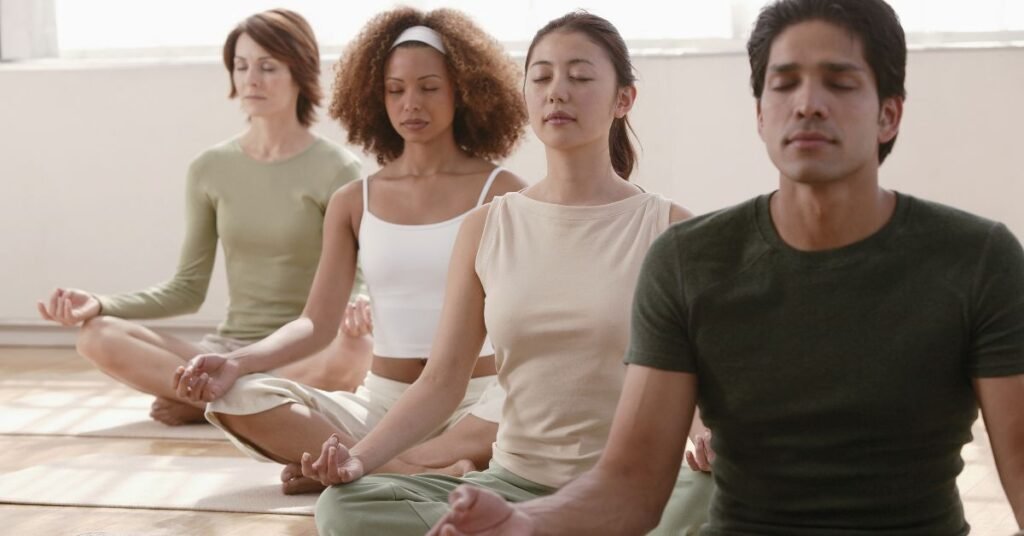
Incorporating yoga into your daily routine is an excellent way to enhance your overall fitness, improve flexibility, and boost mental clarity. Whether you’re looking to strengthen your body, increase your endurance, or simply find a moment of peace amidst a busy day, these yoga poses offer a holistic approach to physical and mental well-being. Start your journey to better health with these essential yoga practices. Why is Yoga Important for Fitness? Yoga is important for fitness because it offers a holistic approach to health by enhancing flexibility, strength, and balance. It promotes cardiovascular health, aids in weight management, and improves muscle tone. Additionally, yoga reduces stress, boosts mental clarity, and enhances overall well-being through mindfulness and breathing techniques. Incorporating yoga into your fitness routine can lead to a more balanced, healthier, and more resilient body and mind. Here are 5 Yoga Poses for Fitness Downward-Facing Dog (Adho Mukha Svanasana) Downward-Facing Dog is a cornerstone of many yoga practices, providing a full-body stretch while strengthening the arms, shoulders, and legs. This pose also helps to improve circulation and calms the mind, making it a great way to start or end your yoga routine. How to Do It: Start on your hands and knees. Lift your hips towards the ceiling, straightening your legs and forming an inverted V shape. Spread your fingers wide and press firmly into the mat. Keep your head between your arms, aligning your ears with your upper arms. Hold for 5-10 breaths. Triangle Pose (Trikonasana) Triangle Pose stretches and strengthens the legs, hips, and spine, while also improving balance and stability. It improves digestion and reduces stress, making it a beneficial addition to any yoga practice. How to Do It: Stand with your feet wide apart. Turn your right foot out 90 degrees and your left foot slightly in. Extend your arms parallel to the floor. Reach your right hand forward and down to your shin, ankle, or the floor. Extend your left arm towards the ceiling and look up. Hold for 5-10 breaths and repeat on the other side. Warrior I (Virabhadrasana I) Warrior I is a powerful standing pose that strengthens the legs and arms while opening the hips and chest. It also enhances focus and balance, grounding you in a strong, stable stance. How to Do It: Stand with feet hip-width apart. Step your left foot back about 3-4 feet and turn it out slightly. Bend your right knee over your right ankle. Raise your arms overhead, keeping them shoulder-width apart. Square your hips forward and hold for 5-10 breaths. Repeat on the other side. Plank Pose (Phalakasana) Plank Pose is a fundamental core-strengthening pose that engages the abdominal muscles, shoulders, and legs. It is excellent for building endurance and improving overall body stability and strength. How to Do It: Start in a push-up position with your hands directly under your shoulders. Keep your body in a straight line from head to heels. Engage your core and avoid letting your hips sag. Hold for 30-60 seconds, or as long as you can maintain good form. Child’s Pose (Balasana) Child’s Pose is a restorative pose that gently stretches the hips, thighs, and ankles, promoting relaxation and reduce stress. It’s perfect for winding down after a vigorous practice or as a calming break during your routine. How to Do It: Kneel on the floor with your big toes touching and knees wide apart. Sit back on your heels. Extend your arms forward and lower your forehead to the mat. Relax and breathe deeply for 1-3 minutes. In conclusion, incorporating these yoga poses into your daily routine can greatly enhance your fitness and overall well-being. Whether you’re a beginner or an experienced yogi, these poses offer numerous benefits for both body and mind. Take a few minutes each day to practice them and enjoy the positive effects on your health and vitality. Want to learn Yoga? Join us at Body and Mind Yoga Center for an enriching experience that harmonizes body and mind. Your path to wellness begins here. We provide the best yoga classes in Dubai with a variety of lessons suited to fit your needs and preferences.
Top 10 Benefits of Yoga for Mens Health and Wellness
Yoga, a practice that dates back thousands of years, has often been stereotyped as an activity predominantly for women. However, this ancient discipline offers numerous benefits that are particularly advantageous for men. From enhancing physical strength to reducing stress, yoga can be an essential part of a healthy lifestyle for men of all ages. Here Are 8 Benefits of Yoga for Men: 1. Improves Physical Strength and Flexibility One of the most immediate benefits of yoga is its ability to enhance physical strength and flexibility. Many yoga poses, such as the Warrior series and Plank pose, require significant muscle engagement, which helps build strength. Yoga stretches muscles and increases range of motion, which can improve overall flexibility. This combination of strength and flexibility is crucial for preventing injuries, especially for men who engage in other physical activities or sports. 2. Enhances Mental Health and Reduces Stress Yoga is renowned for its mental health benefits. Through mindful movement and breath control, yoga helps reduce stress and anxiety levels. Men often face societal pressures to be impassive and tough, leading to suppressed emotions and increased stress. Yoga encourages mindfulness and relaxation, providing a healthy outlet for stress relief. Regular practice can lead to improved mood, better sleep, and a more balanced emotional state. 3. Supports Cardiovascular Health Engaging in yoga can significantly benefit cardiovascular health. Many styles of yoga, such as Vinyasa or Power Yoga, elevate the heart rate and provide a cardiovascular workout. Even slower-paced styles like Hatha or Yin Yoga improve circulation and promote heart health. Yoga also aids in lowering blood pressure, reducing cholesterol levels, and improving overall cardiovascular function, making it a heart-friendly exercise. 4. Boosts Respiratory Function Pranayama, or breath control, is a fundamental aspect of yoga practice. These breathing techniques increase lung capacity, enhance respiratory efficiency, and improve overall lung function. For men, this can be particularly beneficial in enhancing athletic performance and endurance in other sports or physical activities. 5. Increases Focus and Concentration Yoga promotes mental clarity and sharpens focus. The practice of maintaining specific poses while concentrating on breathing requires a high level of mental discipline. Over time, this enhances cognitive function, improves memory, and increases concentration. This mental fortitude can be beneficial in professional settings, boosting productivity and decision-making skills. 6. Promotes Better Posture and Alignment Poor posture is a common issue for many men, often due to prolonged sitting or improper ergonomics. Yoga emphasizes proper alignment and body awareness, helping correct postural imbalances. Regular practice can lead to better posture, reduced back pain, and an overall healthier spine. 7. Facilitates Recovery and Rehabilitation For men who engage in high-intensity workouts or sports, yoga can be an excellent tool for recovery and rehabilitation. The gentle stretching and muscle engagement in yoga help reduce muscle soreness, improve mobility, and speed up recovery times. It also aids in rehabilitating injuries by promoting blood flow to injured areas and enhancing healing processes. 8. Builds a Balanced and Lean Physique Unlike traditional weight training, which often focuses on specific muscle groups, yoga works on the entire body. This holistic approach helps build a balanced and lean physique, promoting overall muscle tone and body composition. The weight-bearing poses in yoga also strengthen bones, reducing the risk of osteoporosis and other bone-related conditions. 9. Cultivates Self-Awareness and Confidence Yoga is not just a physical practice; it is also a journey of self-discovery and personal growth. The mindfulness and introspection encouraged in yoga practice help men become more self-aware and confident. This increased self-awareness can lead to better decision-making, improved relationships, and a more fulfilling life. 10. Fosters a Sense of Community Many men find a sense of camaraderie and support within the yoga community. Practicing yoga in a group setting can foster friendships, provide social support, and create a sense of belonging. This community aspect can be particularly beneficial for men looking to expand their social circles and engage in positive, health-focused activities. In conclusion, incorporating yoga into your routine can yield numerous benefits for men, from physical strength and flexibility to mental health and stress reduction. Whether you’re an athlete looking to improve performance, a professional seeking stress relief, or simply someone aiming for better overall health, yoga can be a transformative addition to your lifestyle. Want to learn Yoga? Join us at Body and Mind Yoga Center for an enriching experience that harmonizes body and mind. Your path to wellness begins here. We provide the best yoga classes for men in Dubai with a variety of lessons suited to fit your needs and preferences.
8 Benefits Of Yoga For Working Professionals

Yoga is a powerful practice that offers numerous benefits for working professionals in today’s fast-paced and stressful world. As the demands of work and daily life continue to increase, more and more people are turning to yoga to find balance, reduce stress, improve their physical health, and enhance their overall well-being. In this blog, we will explore the various benefits of yoga for working professionals and how incorporating this ancient practice into your daily routine can transform your life. Here are 8 Benefits Of Yoga For Working Professionals Stress Reduction One of the most significant benefits of yoga for working professionals is its ability to reduce stress. The practice of yoga focuses on deep breathing, mindfulness, and relaxation techniques that help calm the mind and reduce the harmful effects of stress on the body. By incorporating yoga into your daily routine, you can learn to manage stress more effectively, increase your resilience to stressful situations, and improve your overall mental well-being. Improved Physical Health Yoga also offers numerous physical health benefits for working professionals. Regular practice of yoga can help improve flexibility, strength, and balance, which are essential for maintaining good posture and preventing injuries, especially for those who sit at a desk for long hours. Furthermore, yoga can help lower blood pressure, improve heart health, boost immunity, and enhance overall physical fitness. Better Work-Life Balance One of the key challenges for many working professionals is maintaining a healthy work-life balance. Yoga can help you achieve this balance by providing a valuable opportunity to disconnect from work, relax, and recharge. By dedicating time to yoga practice, you can create a sense of separation between your professional responsibilities and personal life, allowing you to be more present and engaged in both aspects of your life. Enhanced Emotional Well-Being Yoga is not just about physical poses; it also emphasizes mental and emotional well-being. The practice of yoga can help working professionals cultivate a sense of inner peace, gratitude, and emotional balance. By connecting with your inner self through yoga, you can develop a more positive outlook on life, improve your relationships with others, and find greater happiness and fulfillment in both your personal and professional life. Read More : 5 Office Yoga Poses To Improve Your Posture And Relaxation Increased Focus and Concentration Yoga is known to enhance mental clarity, focus, and concentration, making it an excellent practice for working professionals who need to stay sharp and attentive throughout the day. By incorporating yoga postures, breathing exercises, and meditation into your daily routine, you can improve your cognitive function, enhance your productivity, and perform better at work. Improved Sleep Quality Many working professionals struggle with sleep issues due to stress, anxiety, and a busy mind. Yoga offers effective techniques to promote relaxation and improve sleep quality. By practicing gentle yoga asana, breathing exercises, and meditation before bedtime, you can calm your mind, release tension from your body, and prepare yourself for a restful night’s sleep. Enhanced Self-Awareness Yoga encourages self-reflection, mindfulness, and self-awareness, which are essential qualities for personal and professional growth. By practicing yoga regularly, working professionals can develop a greater sense of self-awareness, identify their strengths and weaknesses, and make positive changes in their behavior, habits, and attitudes. This self-awareness can lead to improved decision-making, increased self-confidence, and a more fulfilling career. Boosted Creativity and Innovation Another valuable benefit of yoga for working professionals is its ability to boost creativity and innovation. The practice of yoga helps clear the mind, reduce mental clutter, and enhance cognitive function, which can stimulate creative thinking and problem-solving. By engaging in yoga practices that focus on mindfulness and presence, working professionals can tap into their creative potential, generate fresh ideas, and approach challenges with a new perspective. In conclusion, Yoga is an essential practice for working professionals as it offers a wide range of benefits that can improve overall well-being and enhance productivity. Yoga can help in managing work-related issues such as tight deadlines, long hours of sitting, and high-pressure situations. By incorporating yoga into their daily routine, working professionals can experience a significant improvement in their physical, mental, and emotional health, leading to a more balanced and fulfilling work-life experience. Join us at Body and Mind Yoga Center for an enriching experience that harmonizes body and mind. Your path to wellness begins here. We provide the best Corporate & Office Yoga Classes In Dubai with a variety of lessons suited to fit your needs and preferences.
5 Yoga Poses for Focus and Concentration

In our fast-paced world where distractions are around every corner, finding moments of focus and concentration can be challenging. Yoga offers a quiet place away from all these distractions. It teaches us to be mindful and present, which helps clear our minds. By practicing yoga, we learn to calm down and focus better. This makes yoga very helpful for anyone looking to improve their concentration in a busy and noisy environment. Here are 5 Yoga Poses for Focus and Concentration Tree Pose (Vrikshasana) Tree Pose, or Vrikshasana, is a balancing act that boosts concentration and mental clarity. By standing on one foot and maintaining balance, you improve focus while strengthening your legs. It’s an effective pose for enhancing stability and endurance, helping you stay grounded and present in the moment. How to Do It: 1.Stand tall with your feet together. 2.Shift your weight slightly onto the left foot, and bring your right foot up to rest on the inside of your left thigh. Avoid placing your foot against your knee. 3.Bring your hands together in a prayer position at your chest and then slowly raise them overhead, keeping your palms together. 4.Focus your gaze on a stationary point in front of you. 5.Hold the pose for 30 seconds to 1 minute, then switch sides. Benefits: 1.Improves balance and stability in the legs. 2.Helps in neuromuscular coordination. 3.Enhances endurance and concentration. Eagle Pose (Garudasana) Eagle Pose, or Garudasana, challenges your balance and concentration by twisting your arms and legs into a unique position. This pose enhances your ability to focus, strengthens your legs, and opens up the shoulders. Practicing Garudasana also aids in improving overall coordination and balance. How to do it: 1.Begin by standing straight. 2.Bend your knees slightly, lift your right foot up and, balancing on your left foot, cross your right thigh over the left. 3.Hook your right foot behind your left calf. 4.Cross your left arm over your right arm at the elbows. Bring your palms together. 5.Hold your gaze at a point in front of you. 6.Maintain the pose for up to a minute, then switch sides. Benefits: 1.Strengthens and stretches the ankles and calves. 2.Stretches the thighs, hips, shoulders, and upper back. 3.Improves concentration and sense of balance. Warrior III (Virabhadrasana III) Warrior III, or Virabhadrasana III, is a balance pose that enhances focus, strengthens the core, and improves stability. This dynamic posture, which aligns the body from fingers to toes in a straight line, sharpens concentration and body awareness, making it a powerful exercise for both body and mind. How to do it: 1.Start in Warrior I; then shift your weight onto your front foot. 2.As you exhale, lift your back leg and simultaneously lower your torso forward until both are parallel to the floor. 3.Stretch your arms forward, parallel to the floor and to each other, palms facing each other. 4.Focus your gaze downward. Hold for 30 seconds. 5.Return to standing and repeat on the opposite side. Benefits: 1.Strengthens the ankles, legs, shoulders, and muscles of the back. 2.Improves balance, coordination, and stability. 3.Enhances concentration. Seated Forward Bend (Paschimottanasana) Seated Forward Bend, or Paschimottanasana, is a calming pose that stretches the spine and hamstrings while enhancing mental relaxation. This pose helps soothe the mind, reduce stress and improve digestion. Practicing Paschimottanasana regularly can also increase flexibility and encourage a deep, introspective focus. How to do it: 1.Sit up with the legs stretched out straight in front of you, keeping the spine erect. 2.Inhale and raise your arms over your head. 3.Exhale and bend forward from the hip joints, chin moving toward the toes. 4.Place your hands on your legs, wherever they reach, without straining. 5.Hold the pose for 1–3 minutes. Benefits: 1.Stretches the spine, shoulders, and hamstrings. 2.Helps relieve stress and mild depression. 3.Therapeutic for high blood pressure, infertility, and sinusitis. Lotus Pose (Padmasana) Lotus Pose, or Padmasana, is a classic meditative posture that promotes deep breathing and calmness. By sitting with crossed legs and feet on opposite thighs, it helps stabilize the body and calm the mind, making it ideal for meditation and improving concentration. Regular practice enhances joint flexibility and mental clarity. How to do it: 1.Sit on the floor with your legs stretched out. 2.Bend the right knee and place the right foot on the left thigh. 3.Then bend the left knee and place the left foot on the right thigh. 4.Place your hands on your knees in a mudra (gesture) of your choice. 5.Keep the spine straight and gaze forward. Benefits: 1.Increases awareness and attentiveness. 2.Keep the spine straight. 3.Helps develop good posture. In conclusion, incorporating these yoga poses into your daily life can significantly improve your focus and concentration. Each pose helps to strengthen your body while also calming your mind, allowing you to cultivate better mental clarity and awareness. By embracing this practice, you can effectively navigate the distractions of modern life, leading to a more productive and mindful existence. Yoga isn’t just a physical exercise; it’s a powerful tool for enhancing mental wellness. Join us at Body and Mind Yoga Center for an enriching experience that harmonizes body and mind. Your path to wellness begins here. We provide the best Yoga Classes In Dubai with a variety of lessons suited to fit your needs and preferences.

