Pregnancy is a beautiful and transformative experience, but it can also bring physical discomfort, emotional changes, and concerns about childbirth, health, and the future. Feeling stressed or anxious from time to time is common during pregnancy. Finding safe and gentle ways to manage these feelings can support overall wellbeing.
Prenatal yoga is one approach that may help pregnant women relax their bodies, calm their minds, and stay connected with their changing bodies. When practiced appropriately and with guidance from a qualified prenatal yoga instructor, it can be adapted to different stages of pregnancy.
How Can Pregnancy Affect Stress and Anxiety?
Pregnancy involves significant physical and emotional changes. Hormonal fluctuations, changing sleep patterns, morning sickness, body changes, work responsibilities, and concerns about labor or becoming a parent can contribute to stress.
Some common experiences may include:
- Feeling overwhelmed or restless
- Difficulty relaxing
- Changes in sleep
- Muscle tension
- Racing thoughts
- Worry about childbirth
- Concerns about the baby’s health
- Mood changes
Occasional stress is normal, but persistent or severe anxiety should be discussed with a healthcare professional.
What Is Prenatal Yoga?
Prenatal yoga is a modified form of yoga designed specifically for pregnancy. It generally combines gentle physical movements, breathing exercises, relaxation techniques, and mindfulness.
Unlike some general yoga practices, prenatal yoga focuses on movements and positions that can be adapted as the pregnancy progresses. The goal is not to achieve difficult poses but to encourage comfortable movement, relaxation, body awareness, and breathing.
7 Ways Prenatal Yoga May Help With Stress and Anxiety
Encourages Relaxation
Gentle yoga movements can provide time away from daily responsibilities and create an opportunity to slow down.
Combining comfortable stretches with controlled breathing may help create a calming routine, particularly when practiced in a quiet environment.
Supports Mindful Breathing
Breathing exercises are an important part of many prenatal yoga sessions.
Slow, comfortable breathing can help you focus your attention on the present moment rather than constantly thinking about worries or upcoming changes.
A prenatal yoga instructor can teach pregnancy-appropriate breathing techniques and help you practice them comfortably.
Helps Release Physical Tension
Stress can sometimes cause tension in areas such as the shoulders, neck, back, and hips.
Gentle prenatal yoga movements may help improve mobility and release some of this physical tension. The exercises can be modified according to the stage of pregnancy and individual comfort.
Creates Time for Self-Care
Pregnancy can involve appointments, work, family responsibilities, and preparation for the baby’s arrival. It can be easy to put personal wellbeing aside.
A regular prenatal yoga session creates dedicated time for relaxation and self-care.
Even a short, consistent practice can become a calming part of your weekly routine.
Improves Body Awareness
Your body changes considerably during pregnancy. Prenatal yoga encourages you to pay attention to how your body feels rather than forcing it into positions.
This can help you become more aware of your posture, breathing, movement, and comfort levels.
Listening to your body is particularly important during pregnancy.
May Support Better Sleep
Physical discomfort and an active mind can make it difficult to relax before bedtime.
Gentle stretching, breathing exercises, and relaxation practices may help create a calming evening routine. Better relaxation can support healthy sleep habits, although prenatal yoga should not be considered a treatment for persistent sleep problems.
Provides a Sense of Connection
Prenatal yoga can provide a quiet opportunity to connect with yourself and your changing body.
For some women, practicing mindfulness and breathing can also create a sense of connection with their pregnancy and preparation for motherhood.
Simple Prenatal Yoga Practices for Relaxation
Depending on your individual health and pregnancy stage, a qualified instructor may include gentle practices such as:
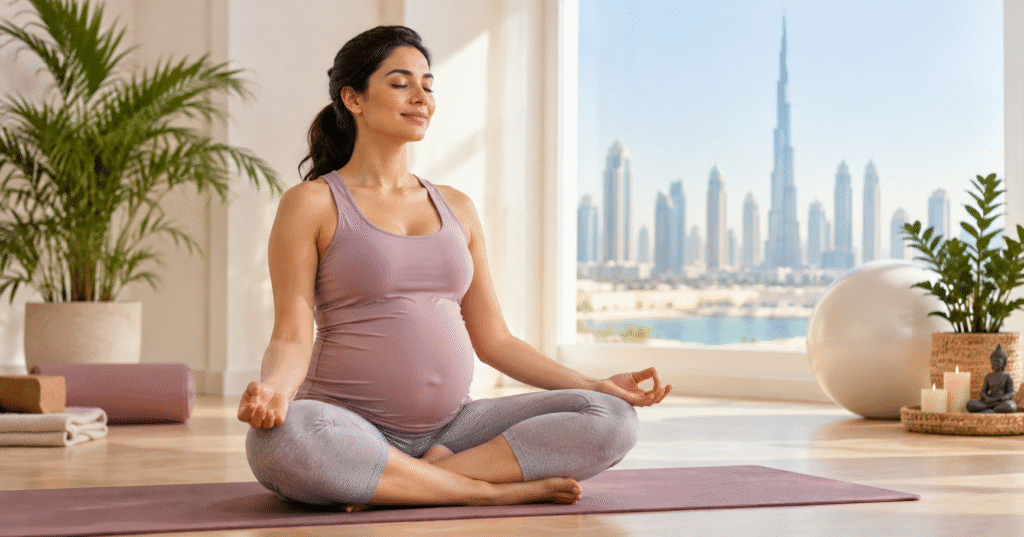
- Comfortable seated breathing
- Gentle neck and shoulder movements
- Cat-Cow movements adapted for pregnancy
- Supported child’s pose when appropriate
- Gentle hip-opening movements
- Side stretches
- Pelvic floor awareness
- Guided relaxation
- Pregnancy-friendly meditation
Not every pose is appropriate for every pregnant woman. Exercises should always be adapted to your comfort, trimester, physical condition, and healthcare guidance.
When Should You Start Prenatal Yoga?
There is no single starting point that is right for every pregnancy.
Some women begin prenatal yoga early in pregnancy, while others start later. If you are new to yoga or have any pregnancy-related concerns, speak with your doctor or qualified healthcare provider before beginning an exercise program.
A prenatal yoga instructor can then help modify movements based on your experience and stage of pregnancy.
Is Prenatal Yoga Safe for Everyone?
Prenatal yoga can be suitable for many healthy pregnancies when appropriately modified, but it is not automatically suitable for everyone.
Before starting, discuss exercise with your healthcare provider, particularly if you have a high-risk pregnancy, pregnancy complications, or any medical concerns.
During practice, avoid pushing through pain or discomfort. Stop exercising and seek medical advice if you experience concerning symptoms such as vaginal bleeding, significant dizziness, chest pain, difficulty breathing, fluid leakage, painful contractions, or other symptoms that your healthcare provider has told you to watch for.
Tips for Practicing Prenatal Yoga for Anxiety
To make your practice more comfortable and relaxing:
Choose a qualified prenatal yoga instructor: Pregnancy requires modifications that may not be covered in a general yoga class.
Focus on breathing rather than performance: Prenatal yoga is not about achieving advanced poses.
Listen to your body: Your comfort can change from one day to another during pregnancy.
Use supportive props: Bolsters, blocks, cushions, and chairs can help make certain movements more comfortable.
Stay hydrated: Drink enough fluids before and after your session.
Practice consistently: A regular, manageable routine may be more useful than an occasional long session.
Keep your healthcare provider informed: Follow any exercise restrictions or recommendations specific to your pregnancy.
Prenatal Yoga and Professional Support for Anxiety
Yoga can be one part of a broader approach to emotional wellbeing during pregnancy. It should not replace professional care when anxiety is persistent, severe, or affecting daily life.
If you are experiencing frequent panic, overwhelming worry, difficulty functioning, or other significant emotional symptoms, speak with your healthcare provider or a qualified mental health professional.
Combining appropriate physical activity, relaxation techniques, social support, healthy routines, and professional care when needed can provide a more comprehensive approach to wellbeing during pregnancy.
Find a Gentle Prenatal Yoga Routine That Works for You
Pregnancy does not have to mean giving up movement or personal wellbeing. With appropriate modifications, prenatal yoga can create a dedicated space for gentle movement, mindful breathing, relaxation, and self-care.
Whether you are looking for prenatal yoga classes in Dubai or simply want to begin a pregnancy-friendly yoga practice, choose an experienced instructor who understands the physical changes that occur throughout pregnancy.
The focus should always be on comfort, safety, mindful movement, and supporting your wellbeing—not on how deeply you can stretch or how advanced a pose looks.


