Pregnancy is a beautiful journey filled with excitement, changes, and plenty of questions about staying healthy and active. One common concern many expecting mothers have is whether practicing yoga every day is safe during pregnancy. Since yoga is known for improving flexibility, reducing stress, and promoting overall wellness, it’s no surprise that many women turn to it for support during this special phase of life.
But is daily yoga truly beneficial for both mother and baby? The answer depends on factors like the stage of pregnancy, the type of yoga practiced, and individual health conditions. In this blog, we’ll explore the safety of doing yoga daily during pregnancy, its potential benefits, precautions to keep in mind, and expert tips to ensure a safe and comfortable practice throughout all three trimesters.
What Is Prenatal Yoga?
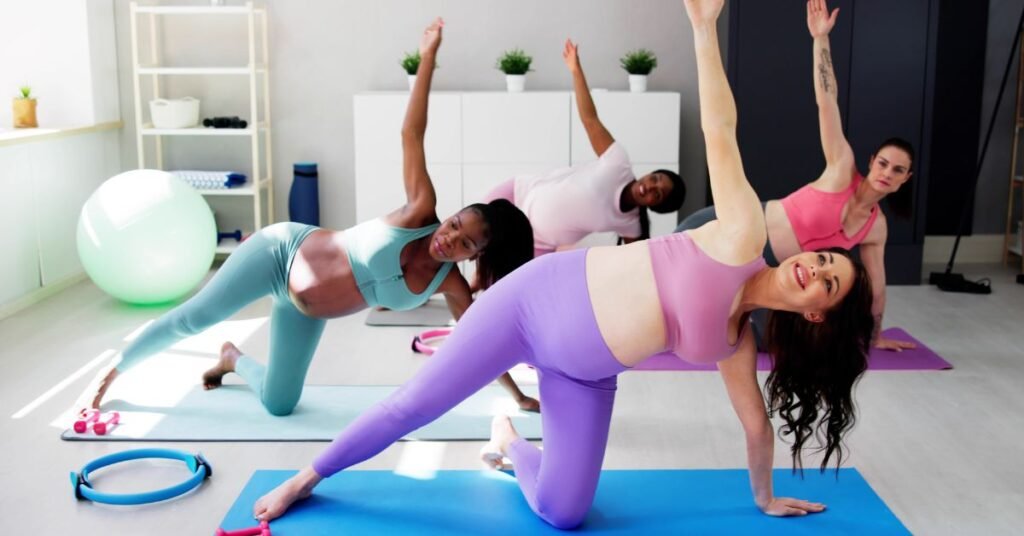
Prenatal yoga is a specially designed form of yoga created to support women during pregnancy by focusing on gentle stretching, controlled breathing, relaxation, and safe physical postures. Unlike regular yoga, prenatal yoga avoids intense movements and positions that may put pressure on the abdomen, making it safer and more comfortable for expecting mothers. It helps improve flexibility, reduce stress, ease common pregnancy discomforts like back pain and swelling, and prepare the body and mind for labor and childbirth. Prenatal yoga classes are usually tailored to each trimester, ensuring both mother and baby remain safe while promoting overall well-being throughout pregnancy.
Is Prenatal Yoga Safe For All Trimesters?
Yes, prenatal yoga is generally considered safe for all three trimesters when practiced correctly and under proper guidance. In the first trimester, gentle yoga can help reduce fatigue, nausea, and stress, while in the second trimester, it supports flexibility, balance, and posture as the body changes. During the third trimester, prenatal yoga focuses more on relaxation, breathing techniques, and preparing the body for labor and delivery. However, certain poses and movements should be avoided at different stages of pregnancy, such as deep twists, intense backbends, or exercises that put pressure on the abdomen. It is always important for pregnant women to consult their healthcare provider before starting prenatal yoga and to practice with a certified instructor who understands pregnancy-safe modifications.
Can Prenatal Yoga Help During Labour And Delivery?
Yes, prenatal yoga can be very helpful during labour and delivery by improving breathing control, flexibility, and mental relaxation. The breathing techniques learned in prenatal yoga can help mothers stay calm, manage contractions better, and reduce anxiety during childbirth.
Prenatal yoga also strengthens the pelvic muscles, lower back, and legs, which can support the body during labour. Regular practice may improve stamina and body awareness, helping women feel more confident and prepared for the delivery process.
When Is The Best Time To Start Pregnancy Yoga Classes?
The best time to start pregnancy yoga classes is usually during the second trimester, after the first 12 weeks of pregnancy. This is because early pregnancy can bring fatigue, nausea, and a higher risk of complications for some women. However, women who were already practicing yoga before pregnancy may continue with gentle modifications during the first trimester after consulting their doctor.
Starting prenatal yoga in the second trimester helps the body adjust safely to physical changes while improving flexibility, posture, and relaxation. It is important to choose classes specifically designed for pregnant women and guided by a certified prenatal yoga instructor.
Here are Best Prenatal Yoga Poses Practice During Pregnancy
Child Pose (Balasana)
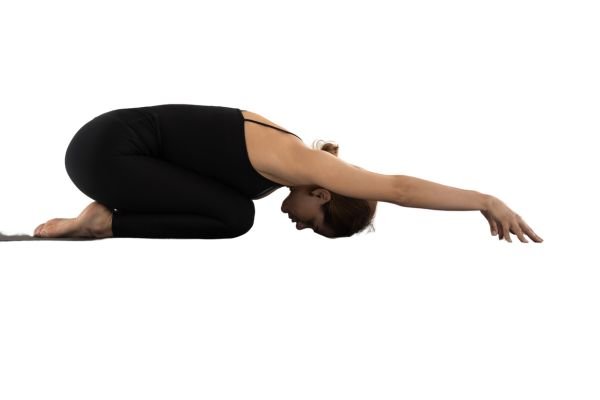
Child Pose, or Balasana, is one of the most relaxing yoga asanas. It is a gentle stretch for the hips, thighs, and back. This asana is an excellent way to calm your mind and release tension in the body, making it the perfect pose to start your morning.
How to Do It:
- Begin on your hands and knees in a tabletop position. Align your wrists under your shoulders and knees under your hips.
- Exhale and slowly lower your hips back towards your heels. Your big toes should touch while your knees can be as wide apart as comfortable.
- Stretch your arms forward on the mat, palms facing down, or keep them alongside your body with palms facing up.
- Allow your forehead to rest gently on the mat, relaxing your neck.
- Hold this position for 30 seconds to a minute, breathing deeply.
Bridge Pose (Setu Bandhasana)
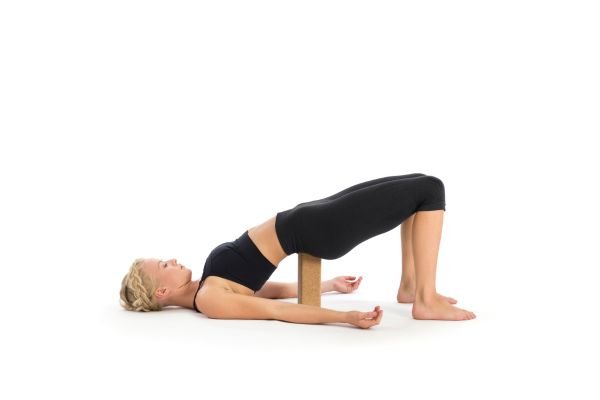
Bridge Pose is a gentle backbend that strengthens the legs, glutes, and lower back. It is also known to open the chest and improve flexibility in the spine, making it a great way to wake up your body in the morning.
How to Do It:
- Begin by lying on your back with your knees bent and feet flat on the mat, hip-width apart. Your arms should rest alongside your body, palms facing down.
- Press your feet into the mat and slowly lift your hips towards the ceiling, creating a gentle arch in your back.
- Clasp your hands under your back and press your arms into the mat for additional support.
- Keep your thighs parallel and ensure that your knees do not splay outwards.
- Hold the pose for 30 seconds, breathing deeply, before slowly lowering your hips back to the mat.
Cobra Pose (Bhujangasana)
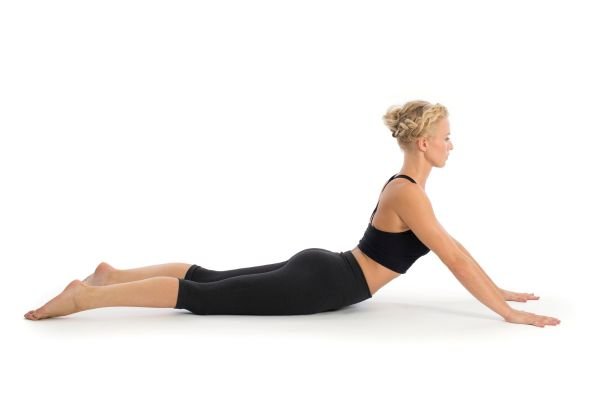
Cobra Pose is a powerful heart opener that stretches the chest, shoulders, and abdomen while strengthening the spine. This pose is a great way to energize your body and improve your posture, especially if you tend to spend long hours sitting.
How to Do It:
- Begin by lying face down on the mat with your legs extended straight behind you and your palms placed under your shoulders.
- Press your feet and legs firmly into the mat, keeping your thighs engaged.
- Inhale as you slowly lift your chest off the mat, using the strength of your back and arms. Keep your elbows slightly bent and your shoulders relaxed.
- Lift your chest as high as comfortable while keeping your lower ribs grounded.
- Hold the pose for 15 to 30 seconds, breathing deeply, before gently lowering back down to the mat.
Boat Pose (Navasana)
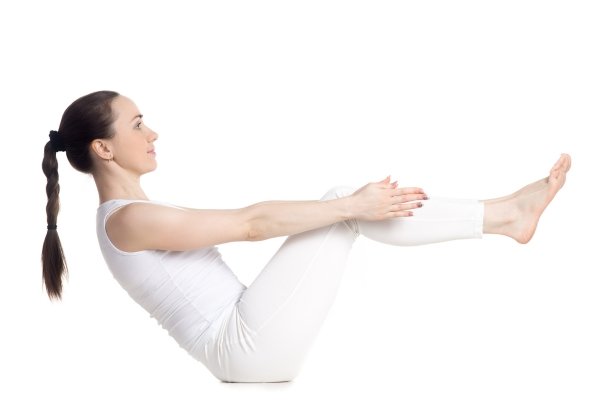
Boat Pose is a core-strengthening asana that helps build stability in the abdominal muscles while also improving balance and concentration. This pose may feel challenging at first, but with regular practice, it becomes an excellent way to tone the core and improve posture.
How to Do It:
- Begin by sitting on the mat with your legs extended straight in front of you.
- Place your hands behind your hips for support and lean back slightly while keeping your spine straight.
- Lift your legs off the mat, bringing your knees into a 90-degree angle. Your shins should be parallel to the floor.
- Extend your arms forward, keeping them parallel to the ground, with palms facing each other.
- Engage your core muscles and balance on your sitting bones. Hold the pose for 20 to 30 seconds, breathing steadily.
- Release by lowering your legs and returning to a seated position.
Downward-Facing Dog (Adho Mukha Svanasana)
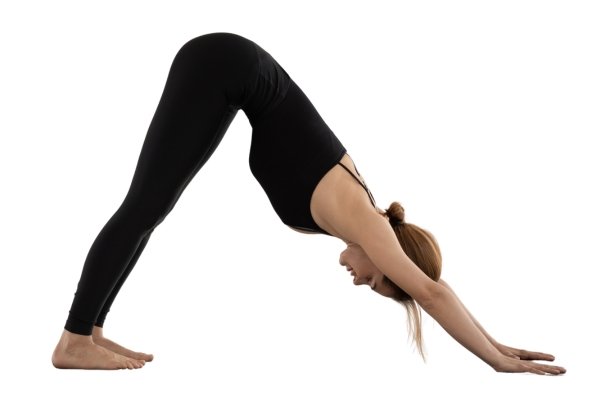
Downward-Facing Dog is a rejuvenating yoga pose that stretches and strengthens the entire body. This pose energizes the body, increases blood flow, and can serve as a reset for your mind and muscles after a long sleep.
How to Do It:
- Start in a tabletop position, with your hands directly under your shoulders and your knees under your hips.
- Spread your fingers wide and press your palms firmly into the mat.
- Tuck your toes under and lift your hips towards the ceiling, straightening your legs and forming an inverted V-shape with your body.
- Keep your head between your arms, and let your ears align with your upper arms.
- Press your heels towards the mat, but it’s okay if they don’t touch the ground.
- Hold the pose for 30 to 60 seconds, breathing deeply, before gently lowering back to the mat.
Final Thoughts on Practicing Prenatal Yoga During Pregnancy
Prenatal yoga can be a safe and beneficial practice throughout pregnancy when done with proper guidance and precautions. It not only helps improve physical strength and flexibility but also supports emotional well-being and relaxation during this important phase of life. From easing common pregnancy discomforts to preparing the body for labour and delivery, prenatal yoga offers many advantages for expecting mothers. However, it is always best to consult a healthcare professional before starting any exercise routine during pregnancy and practice under the supervision of a certified prenatal yoga instructor.
Join us at Body and Mind Yoga Center for an enriching experience that harmonizes body and mind. Your path to wellness begins here. We provide the best Yoga classes In Dubai with a variety of lessons suited to fit your needs and preferences.

