

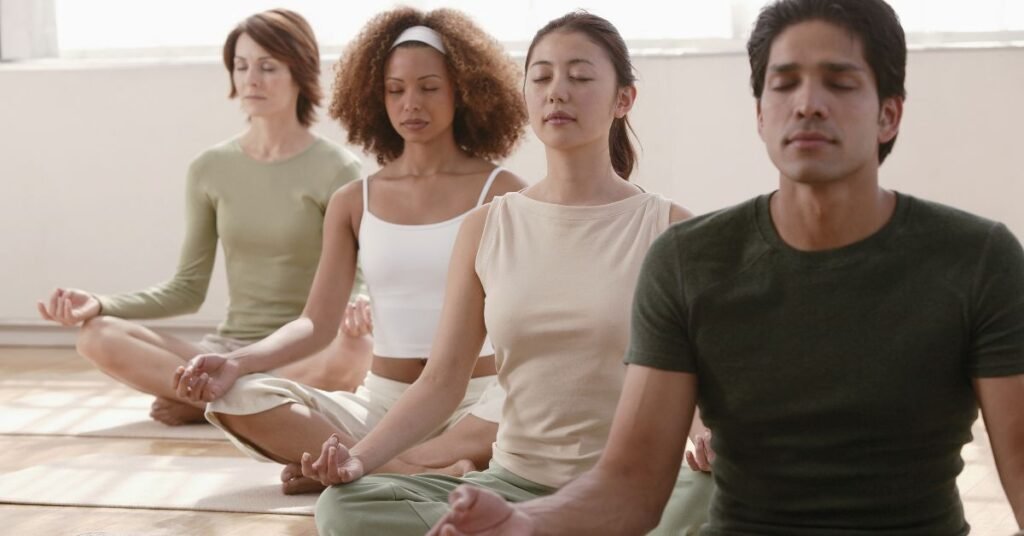
Your heart works tirelessly for you—now it’s time to return the favor. Yoga offers a gentle yet powerful way to support heart health by improving circulation, reducing stress, and encouraging mindful movement. Whether you’re new to yoga or returning to your mat, these simple poses can be easily woven into your daily routine. Unroll your mat, breathe deeply, and discover how small, intentional practices can nurture a healthier, happier heart.
How Does Yoga Improve and Optimize Heart Health?
Yoga enhances heart health through various mechanisms. Its emphasis on deep yogic breathing and relaxation techniques reduces stress and lowers blood pressure, benefiting cardiac function. Yoga postures promote circulation and oxygenation of tissues, improving cardiovascular efficiency. Regular practice also enhances flexibility, strengthens muscles, and supports weight management, all of which contribute to a healthier heart.
Here are 5 Simple Yoga Poses to Keep Your Heart Healthy
Tadasana (Mountain Pose)
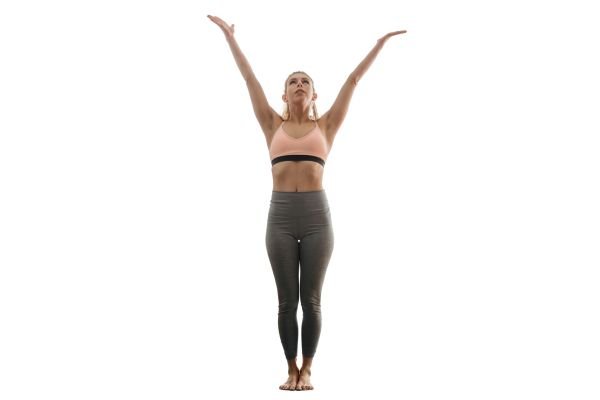
Tadasana is the foundation of all standing yoga poses. It improves posture, promotes steady breathing, and encourages mindful awareness. Practicing this pose helps improve circulation and creates a sense of balance and calm, which supports overall heart health.
How to Do It:
- Stand tall with feet together or hip-width apart.
- Distribute your weight evenly across both feet.
- Engage your thighs and gently draw your belly in.
- Roll your shoulders back and down, lifting your chest.
- Breathe deeply, keeping your spine long and gaze forward.
Adho Mukha Svanasana (Downward-Facing Dog)
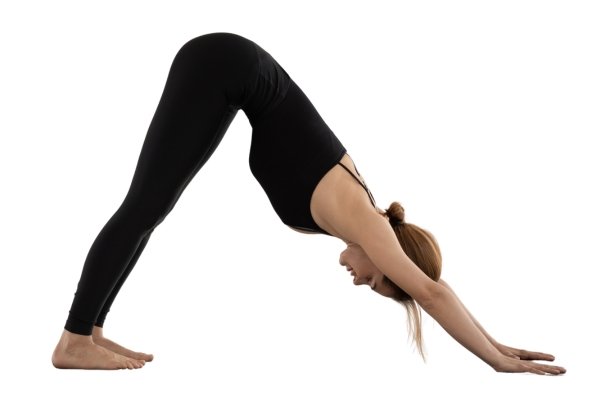
This gentle inversion boosts blood circulation and energizes the body. It helps reduce stress, strengthens the heart, and improves lung capacity. Downward-Facing Dog also stretches the spine and releases tension throughout the body.
How to Do It:
- Start on your hands and knees in a tabletop position.
- Tuck your toes under and lift your hips toward the ceiling.
- Straighten your legs as much as comfortable.
- Press your palms firmly into the mat and relax your neck.
- Hold the pose while breathing deeply and evenly.
Paschimottanasana (Seated Forward Bend)
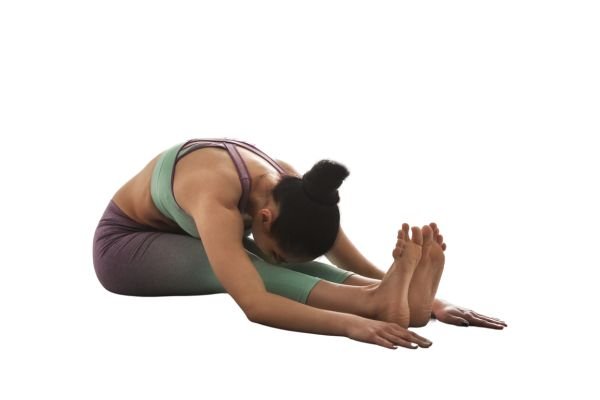
Paschimottanasana calms the nervous system and helps reduce anxiety, benefiting heart health. It gently stretches the spine and hamstrings while encouraging deep, slow breathing. This pose promotes relaxation and improved digestion.
How to Do It:
- Sit on the mat with legs extended straight in front of you.
- Inhale and lengthen your spine, lifting your arms overhead.
- Exhale and hinge forward from your hips.
- Reach for your shins, ankles, or feet without straining.
- Hold the pose and breathe slowly for several breaths.
Vrikshasana (Tree Pose)
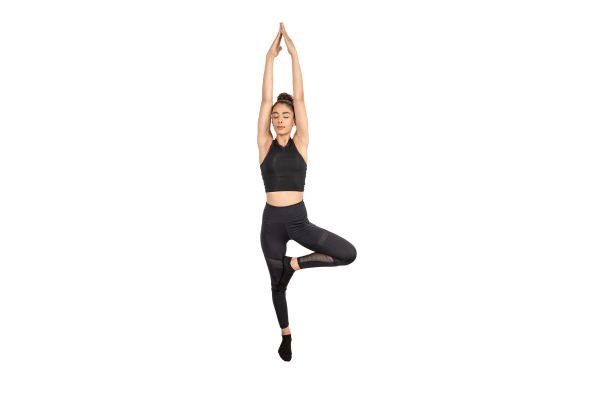
Tree Pose improves balance, focus, and stability while strengthening the legs. It enhances concentration and reduces stress, which helps maintain a healthy heart. The pose also encourages steady breathing and mental calmness.
How to Do It:
- Stand upright in Tadasana.
- Shift your weight onto one foot.
- Place the sole of the opposite foot on your calf or inner thigh.
- Bring your palms together at your chest or raise them overhead.
- Focus on a fixed point and breathe steadily.
Pranayama (Breathing Exercise)
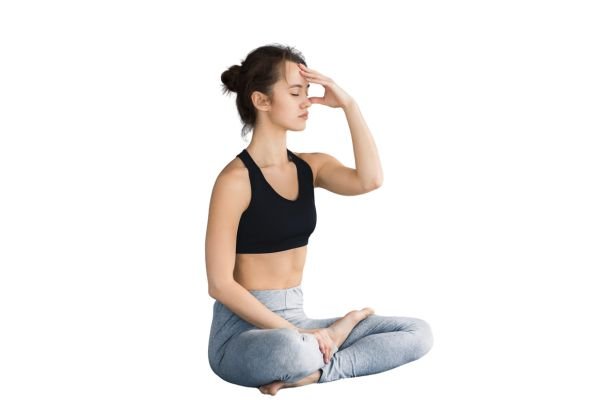
Pranayama involves controlled breathing techniques that help lower stress and regulate heart rate. Regular practice improves oxygen flow and promotes relaxation. It is especially beneficial for maintaining emotional balance and cardiovascular health.
How to Do It:
- Sit comfortably with your spine straight.
- Close your eyes and relax your shoulders.
- Inhale slowly through your nose, filling your lungs.
- Exhale gently and completely through your nose.
- Continue for several minutes with smooth, steady breaths.
How Often Should I Practice Yoga for Heart Health?
For heart health, practicing yoga at least three to five times a week is generally recommended. Even short sessions of 20–30 minutes can help improve circulation, reduce stress, and support overall cardiovascular function. Consistency is more important than intensity, so choose a routine that fits comfortably into your lifestyle. Always listen to your body and practice at a pace that feels safe and sustainable.
What is the Best Time of Day to Practice Yoga for Heart Benefits?
The best time to practice yoga for heart benefits is early morning, as it helps energize the body, improve circulation, and set a calm tone for the day. Morning practice also supports better breathing and stress management, which are important for heart health. However, evening yoga can be equally beneficial by reducing stress and promoting relaxation after a long day. Ultimately, the best time is when you can practice consistently and mindfully.
Yoga-Heart Connection :Yoga Can Improve Your Heart Health
Caring for your heart doesn’t have to be complicated. These simple yoga poses and mindful breathing practices into your daily routine, you can support both physical and emotional well-being. Yoga encourages gentle movement, reduces stress, and promotes better circulation key elements of heart health. Unroll your mat regularly, listen to your body, and remember that even a few mindful minutes each day can make a meaningful difference for your heart.
Join us at Body and Mind Yoga Center for an enriching experience that harmonizes body and mind. Your path to wellness begins here. We provide the best Yoga Classes In Dubai with a variety of lessons suited to fit your needs and preferences.

