Yoga Asanas for Daily Practice

Yoga Asanas for Daily Practice Daily yoga practice can be transformative, not only for your physical body but also for mental well-being. Including a set of yoga asanas in your routine brings numerous benefits, from increased flexibility and strength to reduced stress and a sense of balance. This guide introduces a series of foundational yoga asanas that can be easily included in your daily schedule, helping you to start each day with strength, focus, and a sense of calm. What is Yoga and What is the Role of Asanas in Yoga? Yoga is a way to exercise your body and mind. It involves different poses, breathing exercises, and meditation. Asanas, or yoga poses, are an important part of yoga. They help stretch and strengthen your body. Asanas also improve balance and flexibility. Doing yoga poses regularly can make your body feel better and your mind calmer. They help you become more aware of your body and how it moves. Overall, asanas make yoga enjoyable and beneficial. 5 Easy Yoga Poses for Beginners Corpse Pose (Savasana) Corpse Pose, or Savasana, is a deeply relaxing yoga posture often practiced at the end of a session. In Savasana, practitioners lie flat on their backs with arms and legs extended, palms facing up. This pose encourages complete relaxation of the body and mind, allowing for integration and absorption of the benefits gained throughout the yoga practice. It promotes deep breathing, reduces stress, and fosters a sense of calm and rejuvenation. How to do it Lie flat on your back with legs extended and feet slightly apart. Let your arms rest comfortably by your sides, palms facing up. Close your eyes gently. Relax your entire body, starting from your toes up to your head. Focus on deep, slow breathing, allowing your body to sink into the mat. Stay in this pose for 5-10 minutes, letting go of all tension and thoughts. Downward-Facing Dog (Adho Mukha Svanasana) Downward-Facing Dog, or Adho Mukha Svanasana, is a foundational yoga pose that strengthens and stretches the entire body. In this pose, the body forms an inverted V-shape, with the hips lifted and heels pressing toward the floor. It elongates the spine, stretches the hamstrings and calves, while also improving shoulder flexibility and relieving tension in the upper body. How to Do It: Start on your hands and knees, with wrists under shoulders and knees under hips. Inhale as you tuck your toes, lift your knees off the mat, and lift your hips towards the ceiling. Straighten your arms and legs, forming an inverted V shape with your body. Press your heels down towards the floor while lengthening your spine. Keep your head between your arms, relaxing your neck. Hold the pose for 30 seconds to 1 minute, focusing on deep breaths. Tree Pose ( Vrksasana ) Tree Pose, or Vrksasana, is a standing yoga pose where one foot is rooted while the other rests against the inner thigh or calf. With hands at heart center or raised overhead, it promotes balance, focus, and strength in the legs. Tree Pose improves posture and concentration while fostering a mind-body connection. How to do it: Begin standing on both feet with weight evenly distributed. Shift your weight to your left foot and lift your right foot off the ground. Place the sole of your right foot on the inner thigh or calf of the left leg, avoiding the knee. Find your balance and bring your hands to the heart center or extend them overhead. Focus your gaze on a fixed point to help maintain balance. Hold the pose for 30 seconds to 1 minute, then switch sides. Bridge Pose (Setu Bandha Sarvangasana) Bridge Pose, or Setu Bandha Sarvangasana, involves lying on your back, bending your knees, and lifting your hips toward the ceiling. This yoga posture strengthens the back, glutes, and legs while opening the chest and shoulders. It’s beneficial for improving spinal flexibility, alleviating lower back pain, and energizing the body. How to do it: Lie on your back with knees bent and feet hip-width apart. Press into your feet, lifting your hips towards the ceiling. Interlace your fingers under your back, extending your arms. Keep your neck relaxed and gaze towards the ceiling. Cobra Pose (Bhujangasana) Cobra Pose, or Bhujangasana, is a yoga posture where you lie on your stomach and lift your chest off the ground using your back muscles. With hands under the shoulders, it strengthens the spine, opens the chest, and stretches the abdomen. Cobra Pose also improves posture, relieves stress, and enhances energy flow in the body. How to do it Lie flat on your stomach with legs extended and tops of your feet pressing into the mat. Place your hands underneath your shoulders, palms down, and fingers spread wide. Inhale as you press into your palms, gently lifting your chest off the mat, keeping elbows slightly bent. Draw your shoulder blades down and back, opening your chest forward while keeping your gaze forward or slightly upward. Press the tops of your feet into the mat, engage your legs, and hold the pose for 15-30 seconds before slowly releasing back down to the mat on an exhale. Conclusion Incorporating these yoga asanas into your daily routine is a simple yet powerful way to nurture your body, mind, and spirit. Each pose offers unique benefits, from building strength and flexibility to enhancing mental clarity and emotional stability. Practicing yoga regularly doesn’t just improve physical fitness; it fosters inner peace, reduces stress, and creates a sense of balance that can positively impact all areas of life. Embrace this daily practice as a moment of self-care and mindfulness. With consistency, these yoga poses can be transformative, helping you start each day feeling grounded, energized, and ready to take on life’s challenges with calm and confidence. For those who are seeking yoga classes in AL Barsha Dubai or nearby areas, consider the best yoga classes in AL Barsha Dubai to embark on the yoga journey, Yoga provides many benefits.
5 Simple Yoga Asanas To Reduce Belly Fat

5 Simple Yoga Asanas To Reduce Belly Fat Practicing yoga regularly is one of the most effective ways to lead a healthy lifestyle. It not only strengthens your body and improves flexibility but also helps manage stress and tones muscles. If you’re looking to reduce belly fat, yoga can be a powerful tool to shed those extra inches while enhancing your overall well-being. Contrary to common misconceptions, yoga is highly effective in targeting belly fat. By improving digestion, releasing toxins, and strengthening muscles, yoga works holistically to tone the body. Belly fat can accumulate due to various factors like poor diet, lack of exercise, stress, genetic predispositions, or even irregular sleep patterns. Yoga addresses these issues naturally, making it a sustainable and balanced way to reduce belly fat. How Does Yoga Help You Lose Belly Fat? Yoga helps in losing belly fat by combining physical postures with Yogic breathing, which promotes core muscle engagement and fat burning. Poses like Boat Pose (Naukasana) and Plank Pose (Kumbhakasana) target the abdominal muscles directly, strengthening and toning them. These asanas stimulate the digestive system, boost metabolism, and encourage fat breakdown, especially in the belly area. Moreover, consistent practice enhances flexibility and posture, which contributes to overall body toning. Beyond the physical benefits, yoga reduces stress, which is often linked to weight gain, particularly around the midsection. Stress triggers the release of cortisol, a hormone that promotes fat storage, particularly in the abdominal area. Yoga’s focus on mindfulness and relaxation techniques helps lower cortisol levels, which reduces the likelihood of fat accumulation. By addressing both the physical and mental aspects of wellbeing, yoga offers a holistic approach to reducing belly fat. Here Are a Few Yoga Asanas for Reducing Belly Fat That You Should Practice Everyday. Bhujangasana (Cobra Pose) Bhujangasana is an excellent asana for toning the abdominal muscles. It stretches your abdominal region, improving flexibility while strengthening your spine and relieving stress. How to Do It: Lie on your stomach with your legs stretched out and your palms placed under your shoulders. Inhale deeply and gently lift your chest off the ground, arching your back as you extend your torso. Keep your elbows close to your body, and hold the pose for 1530 seconds. Exhale and return to the original position. Benefits: Strengthens the core, tones the belly, and improves digestion. Dhanurasana (Bow Pose) Dhanurasana effectively stretches the entire front of the body and works wonders in toning your abdomen and burning belly fat. How to Do It: Lie flat on your stomach with your hands at your sides and legs apart. Inhale and bend your knees while reaching back to grab your ankles. Lift your chest and thighs off the floor, balancing on your stomach. Hold the pose for 15-20 seconds before releasing. Benefits: It strengthens abdominal muscles, improves posture, and stimulates digestion. Naukasana (Boat Pose) Naukasana, also known as the Boat Pose, engages the core muscles and is one of the most effective asanas for reducing belly fat. How to Do It: Start by lying flat on your back with your legs extended and arms at your sides. Inhale and raise your upper body and legs off the floor simultaneously. Keep your arms parallel to the floor, reaching toward your feet, and hold the position for 10-20 seconds. Exhale and relax. Benefits: Strengthens the core, reduces belly fat, and improves balance. Kumbhakasana (Plank Pose) Kumbhakasana is a simple yet highly effective pose for reducing belly fat. It engages your core muscles and enhances stability and endurance. How to Do It: Start in a pushup position with your body forming a straight line from head to heels. Engage your core and hold the position while keeping your arms and legs strong. Hold for 20-30 seconds and gradually increase the duration as your strength improves. Benefits: Tones the abdomen, strengthens the arms and shoulders, and enhances core stability. Pavanamuktasana (WindRelieving Pose) Pavanamuktasana helps release trapped gas from the digestive tract, making it ideal for relieving bloating and improve digestion. It also stretches the abdominal muscles, aiding in fat reduction. How to Do It: Lie on your back with your legs extended. Inhale, bend your knees, and bring them toward your chest while hugging them with your arms. Hold the position for 10-15 seconds, then exhale and release. Benefits: Reduces bloating, improves digestion, and strengthens the abdominal muscles. Achieve a Toned Belly and Boost Your Wellness with Yoga! By incorporating these simple yet powerful yoga poses into your daily routine, you’ll not only work toward reducing belly fat but also improve your overall strength, flexibility, and mental clarity. Yoga’s holistic approach helps you sculpt your body while promoting relaxation and balance. Stay consistent, embrace the journey, and watch your belly transform as you grow stronger both physically and mentally! Want to learn Yoga? Join us at Body and Mind Yoga Center for an enriching experience that harmonizes body and mind. Your path to wellness begins here. We provide the best yoga classes in Dubai with a variety of lessons suited to fit your needs and preferences. Share this post : Previous PostNext Post More than 2 results are available in the PRO version (This notice is only visible to admin users) Most Recent Posts All Posts Yoga Yoga For Kids Yoga For Womens 5 Simple Yoga Asanas To Reduce Belly Fat 5 Yoga Poses That Everyone Should Practice for a Healthier Mind and Body 5 Powerful Yoga Poses for Menopause Relief and Hormonal Imbalance Category Have Question Looking for the best yoga classes in Dubai? Visit our state-of-the-art yoga studio and center in Dubai for a rejuvenating and transformative experience. Call Us Now
5 Yoga Poses That Everyone Should Practice for a Healthier Mind and Body

5 Yoga Poses That Everyone Should Practice for a Healthier Mind and Body Yoga has been practiced for thousands of years, offering countless benefits for both the mind and body. Whether you’re a beginner or an experienced yogi, incorporating certain poses into your daily routine can help enhance flexibility, reduce stress, and improve overall well-being. Here Are 5 Yoga Poses That Everyone Should Practice Regularly Downward-Facing Dog (Adho Mukha Svanasana) Downward-Facing Dog is a foundational yoga pose that stretches and strengthens your entire body. It improves circulation, releases tension in the spine, and enhances overall flexibility. Practicing this pose can also help calm the mind, making it a great stress reliever. How to Do It: Start on your hands and knees in a tabletop position. Spread your fingers wide and press into your palms as you tuck your toes and lift your hips toward the ceiling. Keep your knees slightly bent if your hamstrings feel tight, but aim to straighten your legs as much as possible. Hold for 30 seconds to 1 minute, breathing deeply. Benefits: – Stretches the hamstrings, calves, and shoulders – Strengthens arms and legs – Alleviates back pain and headaches Child’s Pose (Balasana) Child’s Pose is a restorative posture that provides deep relaxation. It’s often used as a resting position between more intense poses, but it’s also incredibly beneficial on its own. This gentle stretch helps open up the hips, thighs, and lower back while soothing the mind. How to Do It: Kneel on the floor and sit back on your heels. Lower your torso forward, resting your forehead on the mat. Stretch your arms in front of you or let them rest by your sides. Stay in this pose for at least 1-2 minutes, focusing on your breath. Benefits: – Stretches hips, thighs, and ankles – Relieves tension in the spine, shoulders, and neck – Calms the brain and reduces stress Mountain Pose (Tadasana) While it may seem simple, Mountain Pose is a powerful posture for improving balance, posture, and alignment. It encourages you to stand tall, grounded, and aware of your body, making it a great pose for beginners and advanced practitioners alike. How to Do It: Stand with your feet together, pressing your weight evenly across both feet. Engage your thighs and pull your belly button in toward your spine. Relax your shoulders and keep your arms at your sides with your palms facing forward. Hold the pose for 30 seconds to 1 minute, breathing deeply. Benefits: – Improves posture and balance – Strengthens legs, core, and back muscles – Increases body awareness Warrior II (Virabhadrasana II) Warrior II is a dynamic pose that builds strength and stability in the legs while enhancing focus and stamina. It’s an excellent way to challenge your body and mind, helping you develop both physical and mental resilience. How to Do It: Stand with your legs wide apart. Turn your right foot out 90 degrees and your left foot slightly inward. Extend your arms out to the sides at shoulder height, palms facing down. Bend your right knee so it’s directly over your ankle and hold the pose for 30 seconds to 1 minute. Repeat on the other side. Benefits: – Strengthens legs, ankles, and shoulders – Stretches hips and groin – Increases stamina and mental focus Bridge Pose (Setu Bandhasana) Bridge Pose is an excellent way to open the chest and stretch the spine while strengthening the back, glutes, and hamstrings. It’s also known to stimulate the thyroid and calm the mind, making it a great pose for relieving stress and anxiety. How to Do It: Lie on your back with your knees bent and feet hip-width apart. Press your feet into the mat as you lift your hips toward the ceiling. Interlace your fingers underneath your body and press your arms into the mat. Hold for 30 seconds to 1 minute, then slowly lower your hips back down. Benefits: – Strengthens the back, glutes, and hamstrings – Opens the chest and shoulders – Improves digestion and reduces fatigue In conclusion, yoga is much more than just a physical workout—it’s a practice that harmonizes the mind, body, and spirit. By incorporating yoga poses into your daily routine, you can improve your flexibility, boost your strength, and cultivate inner peace. Whether you’re a seasoned practitioner or just starting out, these poses offer a perfect foundation for a balanced and healthy life. So, unroll your mat, take a deep breath, and start practicing! Want to learn Yoga? Join us at Body and Mind Yoga Center for an enriching experience that harmonizes body and mind. Your path to wellness begins here. We provide the best yoga classes in Dubai with a variety of lessons suited to fit your needs and preferences. Share this post : Previous PostNext Post More than 2 results are available in the PRO version (This notice is only visible to admin users) Most Recent Posts All Posts Yoga Yoga For Kids Yoga For Womens 5 Yoga Poses That Everyone Should Practice for a Healthier Mind and Body 5 Powerful Yoga Poses for Menopause Relief and Hormonal Imbalance 5 Simple Yoga Asanas to Start Your Day Category Have Question Looking for the best yoga classes in Dubai? Visit our state-of-the-art yoga studio and center in Dubai for a rejuvenating and transformative experience. Call Us Now
5 Powerful Yoga Poses for Menopause Relief and Hormonal Imbalance

5 Powerful Yoga Poses for Menopause Relief and Hormonal Imbalance Menopause can be a challenging time for many women, marked by physical and emotional changes that can feel overwhelming. Symptoms such as hot flashes, hormonal imbalances, mood swings, and fatigue are common. Fortunately, yoga offers a natural, holistic approach to easing these symptoms, helping women transition through menopause with more comfort and balance. Why Yoga for Menopause? Yoga has been practiced for centuries for its ability to restore balance to both the mind and body. For women going through menopause, yoga offers several benefits: Relieves Hot Flashes: Certain yoga poses and breathing exercises can help cool the body and reduce the intensity of hot flashes. Balances Hormones: Regular practice of yoga stimulates the endocrine system, promoting hormonal balance, which can ease mood swings and irritability. Reduces Stress and Anxiety: Menopause often brings heightened stress and anxiety. Yoga helps calm the mind and promotes relaxation, reduce stress levels. Improves Sleep: Practicing yoga can improve sleep patterns, which is often disrupted during menopause due to hormonal changes. Here are 5 .Yoga Poses for Menopause Relief and Hormonal Imbalance Bridge Pose (Setu Bandhasana) The Supported Bridge Pose is excellent for managing hormonal imbalance and soothing hot flashes. This pose stimulates the thyroid gland, helping regulate the metabolism and supporting hormonal balance. It also opens the chest and shoulders, promoting relaxation and reducing stress. How to Do It: Lie on your back with your knees bent and feet flat on the floor, hip-width apart. Press your feet into the floor and slowly lift your hips toward the ceiling. You can place a yoga block under your lower back for support, allowing you to relax into the posture. Hold for 5-10 deep breaths. Benefits: – Relieves tension in the back and shoulders – Balances hormones by stimulating the thyroid – Reduces hot flashes by improving circulation Reclined Bound Angle Pose (Supta Baddha Konasana) Reclined Bound Angle Pose is one of the most calming poses, perfect for relaxing the nervous system and managing stress during menopause. It helps relieve anxiety, promotes deep relaxation, and gently opens the hips and pelvis, supporting the reproductive organs. How to Do It: Lie flat on your back and bring the soles of your feet together, letting your knees fall to the sides. Place cushions under your knees for support if needed. Close your eyes and breathe deeply, staying in the pose for 5-10 minutes. Benefits: – Relieves stress and anxiety – Supports the reproductive system and hormonal balance – Helps manage hot flashes by promoting relaxation Legs Up the Wall Pose (Viparita Karani) This restorative pose is ideal for easing fatigue, improving circulation, and relieving hot flashes. Legs Up the Wall Pose calms the nervous system, making it an effective pose for reducing stress and promoting hormonal balance. How to Do It: Sit close to a wall and gently swing your legs up, lying flat on your back. Adjust so your hips are as close to the wall as possible. Let your arms relax by your sides and breathe deeply. Stay in the pose for 5-15 minutes, focusing on deep, calming breaths. Benefits: – Reduces hot flashes and fatigue – Improves circulation – Balances hormones by calming the nervous system Cat-Cow Pose (Marjaryasana-Bitilasana) Cat-Cow Pose helps to increase spinal flexibility and stimulates the adrenal glands, which are crucial for hormone regulation. This gentle flow between the two poses helps ease tension in the back and shoulders, promoting relaxation and relieving stress. How to Do It: Start on your hands and knees in a tabletop position. Inhale as you arch your back, lifting your head and tailbone toward the ceiling (Cow Pose). Exhale as you round your back, tucking your chin and pelvis (Cat Pose). Move slowly between these poses for 1-2 minutes, synchronizing your breath with the movement. Benefits: – Stimulates adrenal glands for better hormone regulation – Relieves tension in the spine – Eases stress and anxiety during menopause Child’s Pose (Balasana) Child’s Pose is a gentle resting posture that helps calm the mind and relieve stress, making it perfect for managing anxiety and hot flashes. It stretches the lower back and hips while encouraging deep breathing, which can help balance hormones. How to Do It: Kneel on the floor with your big toes touching and knees spread wide apart. Sit back on your heels and stretch your arms forward, bringing your forehead to the floor. Breathe deeply and relax into the pose for 3-5 minutes. Benefits: – Calms the mind and reduces stress – Promotes deep relaxation and hormone balance – Helps manage hot flashes and night sweats In conclusion, Yoga for menopause relief is a powerful tool to manage the physical and emotional changes that come with this life stage. By regularly practicing the yoga poses, you can ease hot flashes, balance hormones, reduce stress, and improve your overall quality of life. Incorporate yoga poses into your routine and see the transformative benefits for yourself. Remember, it’s important to listen to your body and practice with mindfulness and care. Want to learn Yoga? Join us at Body and Mind Yoga Center for an enriching experience that harmonizes body and mind. Your path to wellness begins here. We provide the best yoga classes in Dubai with a variety of lessons suited to fit your needs and preferences. Share this post : Previous PostNext Post More than 2 results are available in the PRO version (This notice is only visible to admin users) Most Recent Posts All Posts Yoga Yoga For Kids Yoga For Womens 5 Powerful Yoga Poses for Menopause Relief and Hormonal Imbalance 5 Simple Yoga Asanas to Start Your Day 5 Effective Yoga Poses to Relieve Hyperacidity Category Have Question Looking for the best yoga classes in Dubai? Visit our state-of-the-art yoga studio and center in Dubai for a rejuvenating and transformative experience. Call Us Now
5 Simple Yoga Asanas to Start Your Day

5 Simple Yoga Asanas to Start Your Day Starting your day with a mindful and energizing yoga routine is a great way to set a positive tone for the rest of the day. Yoga stretches the body, relaxes the mind, and helps you center yourself before diving into the demands of your daily life. If you’re looking for simple yoga asanas (poses) that you can perform right after waking up, the following yoga asanas are ideal. They are beginner-friendly, yet effective in bringing balance, flexibility, and strength. Here are 5 Simple Yoga Asanas to Start Your Day Child Pose (Balasana) Child Pose, or Balasana, is one of the most relaxing yoga asanas. It is a gentle stretch for the hips, thighs, and back. This asana is an excellent way to calm your mind and release tension in the body, making it the perfect pose to start your morning. Benefits: – Stretches the hips, thighs, and ankles – Helps relieve back and neck pain – Calms the mind, reduce stress and anxiety – Improves digestion – Encourages deep breathing How to Do It: Begin on your hands and knees in a tabletop position. Align your wrists under your shoulders and knees under your hips. Exhale and slowly lower your hips back towards your heels. Your big toes should touch while your knees can be as wide apart as comfortable. Stretch your arms forward on the mat, palms facing down, or keep them alongside your body with palms facing up. Allow your forehead to rest gently on the mat, relaxing your neck. Hold this position for 30 seconds to a minute, breathing deeply. Bridge Pose (Setu Bandhasana) Bridge Pose is a gentle backbend that strengthens the legs, glutes, and lower back. It is also known to open the chest and improve flexibility in the spine, making it a great way to wake up your body in the morning. Benefits: – Strengthens the glutes, legs, and lower back – Opens the chest and improves posture – Stimulates the thyroid and improves digestion – Relieves stress and mild depression – Stretches the spine, hips, and chest How to Do It: Begin by lying on your back with your knees bent and feet flat on the mat, hip-width apart. Your arms should rest alongside your body, palms facing down. Press your feet into the mat and slowly lift your hips towards the ceiling, creating a gentle arch in your back. Clasp your hands under your back and press your arms into the mat for additional support. Keep your thighs parallel and ensure that your knees do not splay outwards. Hold the pose for 30 seconds, breathing deeply, before slowly lowering your hips back to the mat. Cobra Pose (Bhujangasana) Cobra Pose is a powerful heart opener that stretches the chest, shoulders, and abdomen while strengthening the spine. This pose is a great way to energize your body and improve your posture, especially if you tend to spend long hours sitting. Benefits: – Strengthens the spine and tones the buttocks – Stretches the chest, shoulders, and abdomen – Opens the heart, improving lung capacity – Stimulates the abdominal organs, aiding digestion – Helps alleviate stress and fatigue How to Do It: Begin by lying face down on the mat with your legs extended straight behind you and your palms placed under your shoulders. Press your feet and legs firmly into the mat, keeping your thighs engaged. Inhale as you slowly lift your chest off the mat, using the strength of your back and arms. Keep your elbows slightly bent and your shoulders relaxed. Lift your chest as high as comfortable while keeping your lower ribs grounded. Hold the pose for 15 to 30 seconds, breathing deeply, before gently lowering back down to the mat. Boat Pose (Navasana) Boat Pose is a core-strengthening asana that helps build stability in the abdominal muscles while also improving balance and concentration. This pose may feel challenging at first, but with regular practice, it becomes an excellent way to tone the core and improve posture. Benefits: – Strengthens the core, hips, and spine – Improves balance and concentration – Stimulates the abdominal organs, aiding digestion – Relieves stress and improves focus – Enhances body awareness and posture How to Do It: Begin by sitting on the mat with your legs extended straight in front of you. Place your hands behind your hips for support and lean back slightly while keeping your spine straight. Lift your legs off the mat, bringing your knees into a 90-degree angle. Your shins should be parallel to the floor. Extend your arms forward, keeping them parallel to the ground, with palms facing each other. Engage your core muscles and balance on your sitting bones. Hold the pose for 20 to 30 seconds, breathing steadily. Release by lowering your legs and returning to a seated position. Downward-Facing Dog (Adho Mukha Svanasana) Downward-Facing Dog is a rejuvenating yoga pose that stretches and strengthens the entire body. This pose energizes the body, increases blood flow, and can serve as a reset for your mind and muscles after a long sleep. Benefits: – Stretches the hamstrings, calves, and shoulders – Strengthens the arms, legs, and core – Relieves tension in the spine and lower back – Improves blood circulation and energizes the body – Helps calm the mind and alleviate stress How to Do It: Start in a tabletop position, with your hands directly under your shoulders and your knees under your hips. Spread your fingers wide and press your palms firmly into the mat. Tuck your toes under and lift your hips towards the ceiling, straightening your legs and forming an inverted V-shape with your body. Keep your head between your arms, and let your ears align with your upper arms. Press your heels towards the mat, but it’s okay if they don’t touch the ground. Hold the pose for 30 to 60 seconds, breathing deeply, before gently lowering back to the mat. In conclusion, incorporating these simple
5 Effective Yoga Poses to Relieve Hyperacidity
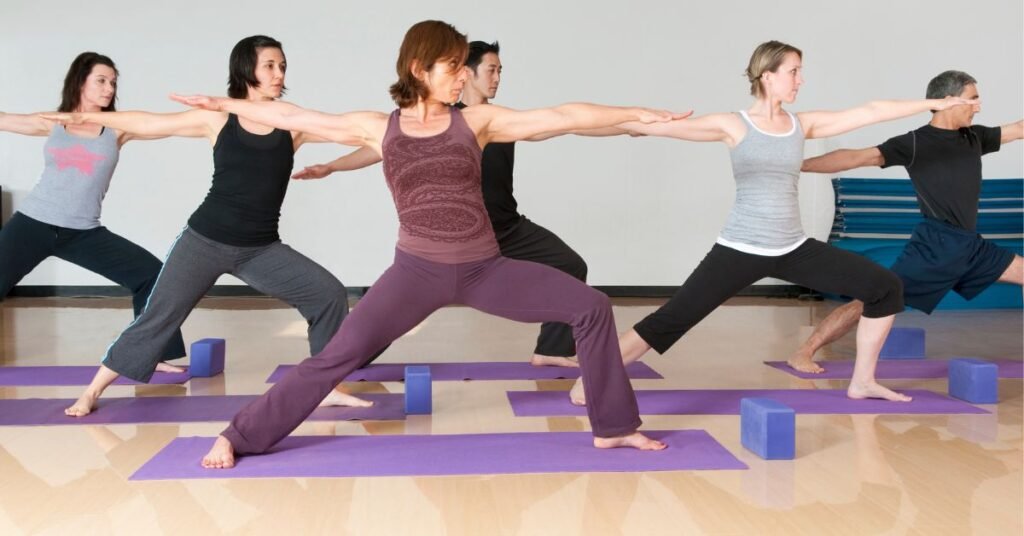
5 Effective Yoga Poses to Relieve Hyperacidity Hyperacidity is a common digestive issue that occurs when the stomach produces excess acid, leading to discomfort, heartburn, indigestion, and bloating. Modern lifestyles, stress, and unhealthy eating habits can exacerbate this condition. While medications can provide temporary relief, a holistic approach through yoga can offer long-term benefits. Certain yoga poses help reduce hyperacidity by improving digestion, relieving stress, and promoting overall well-being. Here are 5 Yoga Poses to Relieve Hyperacidity Balasana (Child Pose) Balasana, or Child Pose, is a gentle resting posture that stretches the lower back and relaxes the abdominal organs. This pose calms the nervous system, helps relieve tension in the stomach, and improves digestion, making it beneficial for managing hyperacidity. How to Do Balasana: Begin by kneeling on the mat with your big toes touching and knees apart. Sit back onto your heels, allowing your spine to lengthen as you exhale. Slowly fold forward, bringing your torso between your thighs and extending your arms out in front of you. Rest your forehead on the mat, relaxing your shoulders and neck. Hold the pose for 1–2 minutes, taking slow, deep breaths. Benefits: Balasana helps relax the abdominal organs, relieving tension and promoting digestion, which can reduce symptoms of hyperacidity. It also calms the nervous system, lowering stress levels that may trigger acid reflux. Ustrasana (Camel Pose) Ustrasana, or Camel Pose, is a deep backbend that stretches the front body, including the chest, abdomen, and throat. This posture opens the digestive tract, helping relieve pressure caused by acid reflux and promoting better digestion. How to Do Ustrasana: Begin by kneeling on the mat with your knees hip-width apart and your thighs perpendicular to the floor. Place your hands on your lower back for support as you inhale and lift your chest upward. Arch your back, gently pushing your hips forward and reaching for your heels with your hands. Keep your chest open and your head relaxed, allowing your neck to stay in a neutral position. Hold the pose for 20–30 seconds, then slowly release and sit back on your heels. Benefits: Ustrasana stretches the stomach and chest, reducing pressure on the digestive tract and alleviating acid buildup. It promotes better digestion by opening the front body and relieving discomfort from hyperacidity. Setu Bandhasana (Bridge Pose) Setu Bandhasana, or Bridge Pose, is a mild backbend that stretches the spine, chest, and hips. This pose helps stimulate digestion, strengthens the lower back, and opens the chest, making it an effective posture for managing hyperacidity. How to Do Setu Bandhasana: Lie on your back with your knees bent and feet flat on the floor, hip-width apart. Place your arms by your sides, palms facing down. Press your feet firmly into the mat and lift your hips toward the ceiling, engaging your glutes and thighs. Clasp your hands beneath your back for additional support, and lift your chest toward your chin. Hold the pose for 30–60 seconds, then gently release your hips back to the mat. Benefits: Setu Bandhasana massages the abdominal organs and helps improve digestion, making it effective for reducing acid reflux. The chest opening in this pose also promotes deep breathing, easing acid-related discomfort. Paschimottanasana (Seated Forward Bend) Paschimottanasana, or Seated Forward Bend, is a seated posture that stretches the entire back body, including the spine, hamstrings, and calves. This pose compresses the abdominal organs, promoting digestion and relieving discomfort caused by hyperacidity. How to Do Paschimottanasana: Sit on the mat with your legs extended in front of you and your spine straight. Inhale, lengthen your spine, and raise your arms overhead. Exhale and hinge forward from the hips, reaching for your feet or shins. Keep your back straight and chest open as you fold forward, bringing your forehead toward your legs. Hold the pose for 30–60 seconds, then inhale to rise back to a seated position. Benefits: Paschimottanasana compresses the abdominal organs, stimulating digestion and relieving trapped gas, which helps manage hyperacidity. The pose also reduces bloating and promotes relaxation. Shavasana (Corpse Pose) Shavasana, or Corpse Pose, is a relaxation pose that allows the body to fully rest and rejuvenate. This posture helps calm the nervous system, reduce stress, and promote digestion, making it an effective pose for managing hyperacidity. How to Do Shavasana: Lie flat on your back with your legs extended and arms by your sides, palms facing up. Close your eyes and relax your entire body, allowing your muscles to release tension. Focus on your breath, taking slow, deep inhales and exhales. Stay in the pose for 5–10 minutes, allowing your body and mind to fully relax. Slowly bring your awareness back to the present and gently rise to a seated position. Benefits: Shavasana promotes full-body relaxation, reducing stress—a key factor in triggering hyperacidity. It helps calm the mind and encourages deep breathing, supporting digestive health and reducing acid reflux symptoms. In conclusion, yoga offers a holistic approach to managing hyperacidity by promoting better digestion, relieving stress, and calming the mind. By incorporating these yoga poses into your daily routine, you can help alleviate discomfort caused by acid reflux, bloating, and indigestion. Remember to pair your yoga practice with mindful eating habits and stress management techniques for optimal results in combating hyperacidity. Join us at Body and Mind Yoga Center for an enriching experience that harmonizes body and mind. Your path to wellness begins here. We provide the best Yoga classes In Dubai with a variety of lessons suited to fit your needs and preferences. Share this post : Previous PostNext Post More than 2 results are available in the PRO version (This notice is only visible to admin users) Most Recent Posts All Posts Yoga Yoga For Kids Yoga For Womens 5 Effective Yoga Poses to Relieve Hyperacidity 7 Yoga Poses to Boost Your Confidence and Inner Strength Top 5 Prenatal Yoga Poses for Better Sleep Category Have Question Looking for the best yoga classes in Dubai? Visit our state-of-the-art yoga studio and center in Dubai
7 Yoga Poses to Boost Your Confidence and Inner Strength
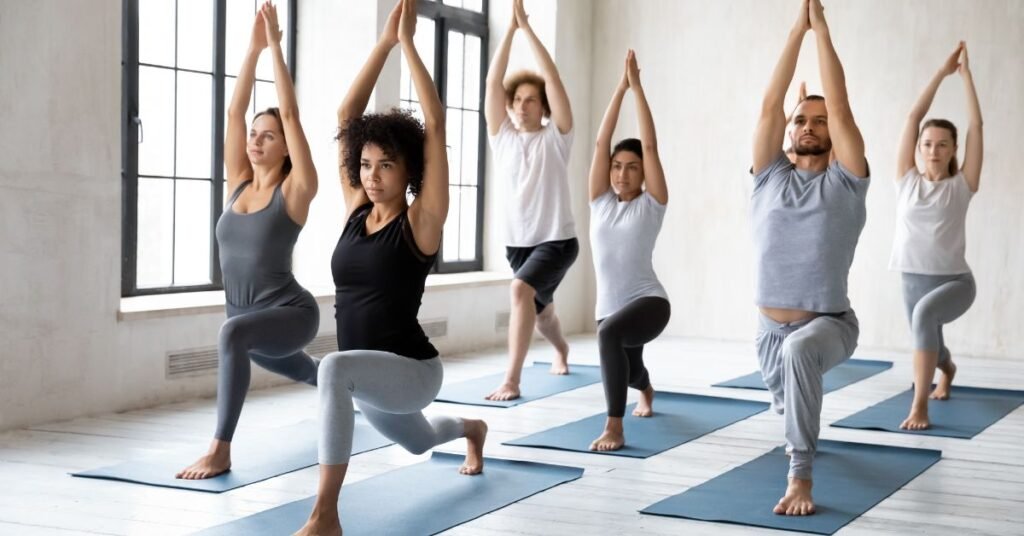
7 Yoga Poses to Boost Your Confidence and Inner Strength We’ve all been there the moments when we feel uncertain, lacking the confidence to face life’s challenges. But what if I told you that yoga could change that? Whether you’re a seasoned yogi or just starting out, yoga has a remarkable ability to not only strengthen your body but also boost your confidence and ignite inner strength. In this post, I’ll walk you through seven powerful yoga poses that will help you feel stronger, more centered, and ready to take on anything life throws your way. Let’s dive in! The Connection Between Yoga, Confidence, and Inner Strength Before we get into the poses, let’s talk about why yoga is so transformative when it comes to confidence and inner strength. Think about it: yoga connects your body and mind. Every time you move into a pose, you’re not only working your muscles, but you’re also practicing focus, patience, and self awareness. These qualities directly affect your confidence. When you feel strong and balanced physically, it translates into emotional and mental strength. And the best part? Yoga teaches you to accept where you are in the moment — it’s about progress, not perfection. Ready to tap into that? Let’s get started with the essentials of building confidence through yoga! Key Principles for Building Confidence Through Yoga If you’re new to yoga or even if you’ve been practicing for a while, there are a few core principles to keep in mind as we move into the poses: Posture is power. The way you hold your body affects how you feel. Just like standing tall with your chest lifted gives you confidence off the mat, certain yoga poses can do the same. Breathe with intention. Every yoga pose is an opportunity to practice deep, mindful breathing technique. With each inhale, imagine filling your body with self confidence, and with each exhale, let go of self doubt. Celebrate progress. Confidence comes from seeing how far you’ve come, no matter how small the steps. So, don’t worry if your Tree Pose is a little wobbly at first. With practice, you’ll notice the strength building within you. 7 Yoga Poses to Boost Your Confidence and Inner Strength Now for the fun part! Here are seven yoga poses that will make you feel stronger, more powerful, and grounded in your own potential. Mountain Pose (Tadasana) This might seem like a simple one, but don’t let its simplicity fool you. Mountain Pose is all about feeling grounded and present. When you stand tall with your feet rooted into the earth and your arms by your side, you’re inviting stability into your life. It’s the foundation of many other poses and serves as a reminder that strength starts from the ground up. Take a deep breath in and feel your chest rise. You’re literally standing in your own power! How to Mountain Pose: Stand with your feet hip-width apart, grounding them firmly into the floor. Engage your thighs and lift your kneecaps slightly, activating your legs. Keep your arms relaxed at your sides, palms facing forward. Lift your chest, lengthen your spine, and take deep, steady breaths while focusing on feeling tall and strong. Warrior II (Virabhadrasana II) Feeling like you need to summon your inner warrior? Warrior II is the pose for you. With legs firmly planted and arms stretched wide, this pose opens up your chest and strengthens your legs, symbolizing strength and courage. As you gaze over your front hand, imagine yourself conquering challenges with grace. Stay here for a few breaths and let that inner warrior rise! How to Warrior II Pose: Step your feet wide apart, about 3 to 4 feet, and turn your right foot out 90 degrees, keeping your left foot slightly angled inward. Bend your right knee directly over your ankle, ensuring it doesn’t go past your toes. Extend your arms out to the sides, parallel to the floor, and gaze over your right hand. Keep your shoulders relaxed and hold the pose, feeling the strength in your legs and arms. Cobra Pose (Bhujangasana) Need a mood boost? Cobra Pose opens your heart and lifts your spirits. Lying face down, press into your hands and lift your chest, stretching your spine and opening your chest. Not only does this pose physically strengthen your back, but it also helps you release tension and stand a little taller — inside and out. Imagine yourself opening up to all the possibilities around you, ready to face whatever comes next. How to Cobra Pose: Lie face down on your mat with your legs extended and the tops of your feet flat on the floor. Place your hands under your shoulders, elbows close to your body. Inhale as you press into your hands and lift your chest off the floor, keeping your pelvis and legs grounded. Hold for a few breaths, then slowly lower down, focusing on opening your chest and heart. Tree Pose (Vrksasana) Tree Pose is all about balance — both physically and mentally. By focusing on one point in front of you and lifting one foot off the ground, you cultivate both stability and patience. It’s okay if you wobble at first (we all do!). With practice, you’ll find that the more rooted you are in your mind, the stronger and more confident you’ll become in your body. How to Tree Pose: Stand tall in Mountain Pose, then shift your weight to your left foot, rooting it firmly into the ground. Slowly lift your right foot and place it either on your ankle, calf, or inner thigh (just avoid the knee). Press your hands together in a prayer position at your chest or extend your arms overhead. Focus on a point in front of you to maintain balance, and take deep breaths as you hold the pose. Bridge Pose (Setu Bandhasana) Bridge Pose is another heart opener, perfect for those moments when you need to feel uplifted. This pose strengthens your core and
Top 5 Prenatal Yoga Poses for Better Sleep
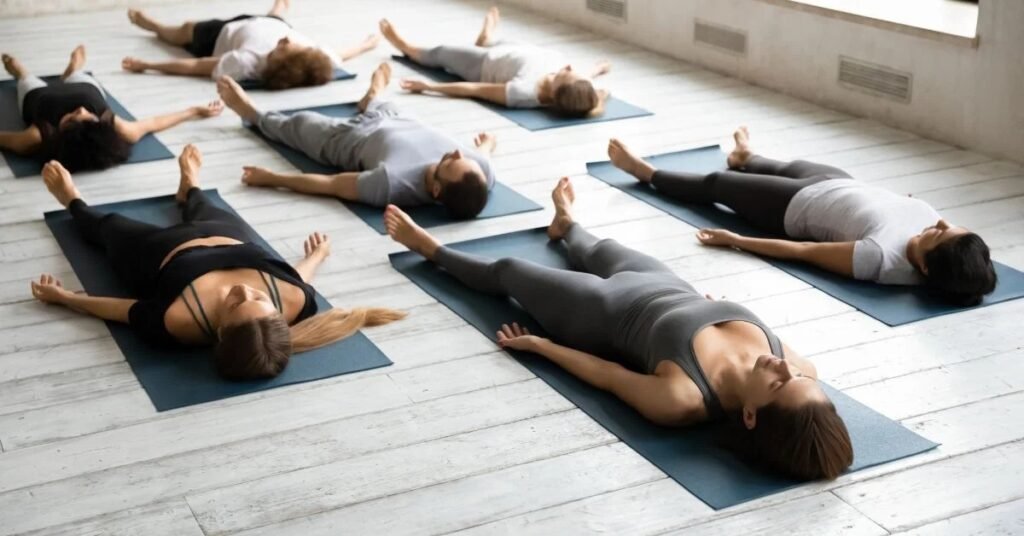
Pregnancy can be an exciting and beautiful journey, but it also comes with its fair share of challenges. One of the most common? Sleep disturbances. Whether it’s back pain, anxiety, or the inevitable bathroom trips, getting a good night’s sleep can seem nearly impossible. Fortunately, prenatal yoga offers a gentle, effective solution to improve sleep quality while promoting relaxation and comfort. In this guide, we’ll explore the top 5 prenatal yoga poses that can help you sleep better, and how to incorporate them into your bedtime routine. Ready to find some peace and rest? Let’s dive in. Why Prenatal Yoga is Essential for Sleep? Pregnancy is a time of constant physical and emotional change. These changes can often make restful sleep seem out of reach. But here’s the good news: prenatal yoga can play a vital role in calming both your body and mind, preparing you for a night of deep, uninterrupted sleep. Studies have shown that yoga helps reduce the levels of cortisol (a stress hormone) in your body, which can ease tension and help you relax. Many yoga poses are designed to release tight muscles and improve circulation, which is essential as your body carries the extra weight of pregnancy. Why is Sleep Important During Pregnancy? According to experts, adequate sleep supports fetal development and prepares you physically and mentally for childbirth. This is why finding ways to sleep better during pregnancy, such as through prenatal yoga, is crucial for both you and your baby. Breathing Techniques to Enhance Sleep Yoga isn’t just about the poses—it’s also about breathing. Pranayama, or controlled breathing, is a powerful way to calm the nervous system and prepare your body for sleep. Deep Breathing (Ujjayi Breath): Try this simple breathing technique while performing your prenatal yoga poses. Breathe in slowly through your nose, filling your belly with air, then exhale gently. Focusing on your breath helps to calm the mind and reduce stress. Here are 5 Prenatal Yoga Poses for Better Sleep Child’s Pose (Balasana) This simple pose is a go-to for relaxation. It stretches your hips, back, and legs while encouraging deep breathing. How It Helps: Child’s Pose releases tension in your lower back and hips, two areas that often cause discomfort during pregnancy. By focusing on your breath while in this pose, you can also calm your nervous system, which promotes better sleep. How to Do It: Kneel on the floor, sitting back on your heels with your big toes touching and knees spread wide (to make room for your belly). Inhale deeply, and as you exhale, slowly fold forward, bringing your torso between your thighs. Extend your arms forward, palms facing down on the mat, or rest them beside your body. Rest your forehead gently on the floor or a cushion for added comfort. Breathe deeply and relax into the pose, holding for 1-2 minutes or as long as it feels comfortable. Tip: Use a pillow or bolster to support your belly, allowing you to fully relax. Cat-Cow Stretch (Marjaryasana-Bitilasana) This gentle flowing sequence is excellent for loosening up the spine, making it a favorite for pregnant women. How It Helps: As you move between Cat and Cow, you release tension in your back and improve circulation. This movement helps relieve lower back pain, which is a common issue that can interfere with sleep. How to Do It: Begin on your hands and knees in a tabletop position, with your wrists directly under your shoulders and your knees under your hips. Inhale as you drop your belly towards the mat, arching your back (this is the Cow position). Lift your head and tailbone toward the ceiling. As you exhale, round your spine toward the ceiling, tucking your chin to your chest and drawing your belly in (this is the Cat position). Continue to move slowly between Cat and Cow, syncing the movements with your breath. Repeat the flow for 5-10 breaths, moving at a pace that feels comfortable for you. Tip: Focus on slow, controlled movements and sync them with your breath for maximum relaxation. Butterfly Pose (Supta Baddha Konasana) This restorative pose helps open the hips and stretch the inner thighs, providing relief from tightness. How It Helps: Reclined Butterfly Pose is all about letting go and relaxing. It opens up your pelvis and allows you to release built-up tension in your body, which can make it easier to fall asleep. How to Do It: Sit on the floor with your knees bent and the soles of your feet touching, letting your knees fall open to the sides. Place pillows or bolsters under your knees for support and comfort. Slowly recline back, either lying flat on your back (if comfortable) or slightly propped up with pillows or a bolster behind your back. Rest your arms at your sides with palms facing up, or place them gently on your belly. Close your eyes, breathe deeply, and relax in this pose for 2-5 minutes, focusing on the gentle stretch in your hips and thighs. Tip: Use pillows under your knees for extra support to prevent strain. Legs Up the Wall (Viparita Karani) A calming inversion pose, this position helps reduce swelling in your legs and feet, something many pregnant women experience. How It Helps: This pose encourages blood flow back toward your heart and reduces fatigue, helping you feel lighter and more relaxed. It’s particularly useful if you’ve been on your feet a lot during the day. How to Do It: Sit sideways against a wall, with one hip touching the wall and your legs bent. Slowly swing your legs up onto the wall as you lower your upper body down to the floor, lying flat on your back. Adjust so that your bottom is as close to the wall as comfortable, and your legs are extended straight up. Rest your arms at your sides, palms facing up, and focus on slow, deep breathing. Hold this pose for 5-10 minutes, allowing your legs to feel weightless and relaxed. Tip:
5 Yoga Poses for Anxiety Relief
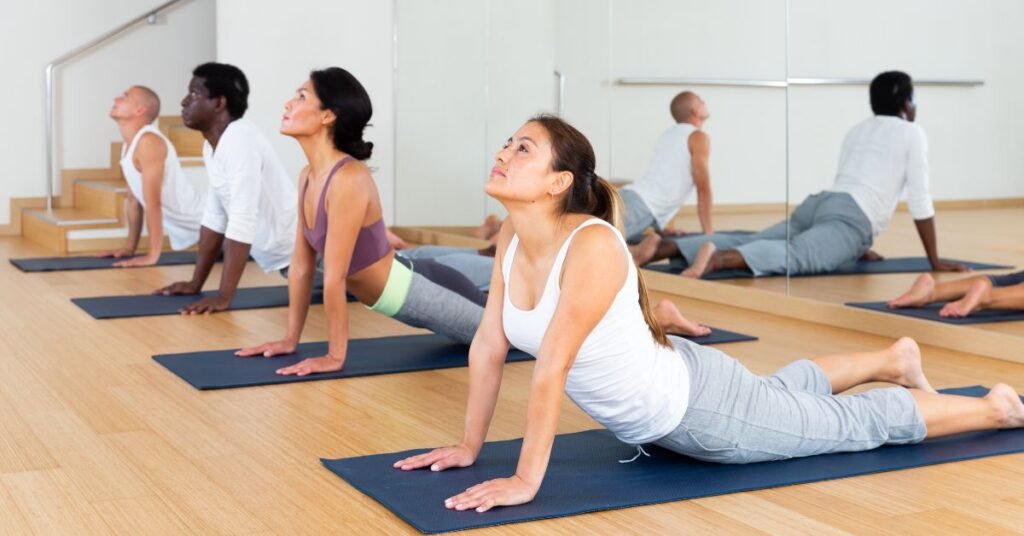
5 Yoga Poses for Anxiety Relief Anxiety is a common mental health issue that affects millions of people worldwide. The fast-paced nature of modern life, coupled with the pressures of work, relationships, and personal goals, can leave many feeling overwhelmed and stressed. Yoga, with its holistic approach to mind-body wellness, offers a natural and effective way to manage anxiety. By combining physical postures, breathing techniques, and mindfulness, yoga helps to calm the nervous system and promote a sense of inner peace. How Effective is Yoga for Anxiety? Yoga is highly effective for managing anxiety due to its focus on breath control, physical postures, and mindfulness. These practices, including specific breathing techniques, help activate the parasympathetic nervous system, reducing stress and promoting relaxation. Regular yoga practice can lower cortisol levels, improve mood, and enhance overall mental well-being. By encouraging deep breathing and bodily awareness, yoga helps to calm the mind, making it a valuable tool for managing and alleviating anxiety symptoms. How Often Should You Practice Yoga for Anxiety? To effectively manage anxiety, it’s recommended to practice yoga regularly, ideally 3-5 times per week. Consistency is key, as regular practice helps reinforce the calming effects of yoga on the nervous system. Even short sessions, 15-30 minutes, can be beneficial when done consistently. Incorporating yoga into your daily routine, along with mindful breathing techniques, can help maintain lower stress levels, improve emotional resilience, and provide ongoing relief from anxiety symptoms. Yoga for Anxiety: 5 Poses to Try Balasana (Child’s Pose) Balasana is a gentle resting pose that provides a deep sense of comfort and relaxation. It is often used as a counter-pose to more strenuous postures, allowing the body and mind to reset. How to Do Balasana: Begin by kneeling on the floor with your big toes touching and knees spread wide apart. Sit back on your heels and stretch your arms forward, allowing your forehead to rest on the mat. Close your eyes, and focus on your breath. Inhale deeply through your nose, and exhale slowly, feeling the tension release from your body. Hold this position for 1-3 minutes, allowing your mind to calm and your body to relax. Benefits: Child’s Pose helps to reduce stress and fatigue by gently stretching the lower back, hips, and thighs. The forward fold naturally encourages introspection and a sense of grounding, making it an ideal pose for calming the mind. Marjaryasana/Bitilasana (Cat/Cow Pose) Marjaryasana and Bitilasana are typically practiced together in a flowing sequence, often referred to as Cat-Cow Pose. This dynamic movement helps to increase flexibility in the spine while promoting a sense of rhythm and flow. How to Do Marjaryasana/Bitilasana: Start on your hands and knees in a tabletop position with your wrists directly under your shoulders and your knees under your hips. Inhale as you arch your back, dropping your belly towards the floor and lifting your head and tailbone towards the ceiling (Cow Pose). Exhale as you round your back, drawing your belly in and tucking your chin towards your chest (Cat Pose). Continue to move between these two postures, synchronizing your breath with the movement. Benefits: The combination of movement and breath in Cat-Cow Pose helps to release tension in the spine and neck, which are common areas where stress is stored. The rhythmic motion also soothes the nervous system and encourages mental clarity. Uttanasana (Standing Forward Bend) Uttanasana is a powerful forward fold that stretches the entire back of the body, from the calves to the spine. It is a deeply introspective pose that encourages surrender and release. How to Do Uttanasana: Stand with your feet hip-width apart, and slowly bend forward from the hips, allowing your upper body to hang towards the floor. Keep a slight bend in your knees to prevent strain on the lower back. Let your arms dangle, or clasp your elbows with opposite hands. Focus on your breath, allowing each exhale to bring you deeper into the pose. Benefits: Uttanasana promotes relaxation by increasing blood flow to the brain, which can help to clear the mind and reduce stress. The gentle inversion of the body also encourages a sense of letting go, both physically and mentally. Malasana (Garland Pose) Malasana is a deep squat that opens the hips and groin, areas where stress and tension are often stored. This grounding pose is also known as Garland Pose. How to Do Malasana: Stand with your feet slightly wider than hip-width apart, toes pointing slightly outward. Lower your hips into a squat, bringing your thighs as close to parallel with the floor as possible. Press your elbows against the inside of your knees, and bring your hands together in a prayer position at your chest. Lengthen your spine and focus on your breath. Benefits: Malasana helps to release tension in the hips and lower back, which are often affected by stress. The grounding nature of this pose also promotes a sense of stability and balance, both physically and emotionally. Bhujangasana (Cobra Pose) Bhujangasana, or Cobra Pose, is a gentle backbend that strengthens the spine and opens the chest. This pose is often part of the Sun Salutation sequence and is known for its energizing effects. How to Do Bhujangasana: Lie face down on the floor with your legs extended and the tops of your feet pressing into the mat. Place your hands under your shoulders, elbows close to your body. Inhale as you press into your hands and lift your chest off the floor, keeping your lower ribs on the mat. Hold the pose for a few breaths, then slowly lower back down. Benefits: Cobra Pose helps to counteract the effects of poor posture by strengthening the back and opening the chest. This pose can also improve mood and energy levels, making it a great choice for alleviating anxiety. Savasana (Corpse Pose) Savasana is the final resting pose in most yoga practices, and it is one of the most important postures for anxiety relief. Often referred to as Corpse Pose, Savasana allows the body
5 Best Yoga Poses for Building Core Strength

5 Best Yoga Poses for Building Core Strength Yoga is renowned for its ability to enhance flexibility, reduce stress, and improve overall well-being. Among its numerous benefits, yoga is also a powerful tool for building core strength. A strong core is essential for maintaining balance, protecting the spine, and improving posture. Building core strength through yoga offers numerous benefits that extend beyond the mat. A strong core enhances overall physical stability, improves posture, and supports the spine, reduce back pain and injury. It also enhances balance and coordination, which is crucial not only for yoga practice but also for daily activities and other forms of exercise. Here Are Five Yoga Poses to Help You Build Core Strength Effectively Plank Pose (Phalakasana) Plank Pose is a foundational pose in yoga that engages multiple muscle groups, especially the core. It strengthens the shoulders, arms, and wrists while building endurance. How to Perform: Start in a tabletop position with your wrists directly under your shoulders and knees under your hips. Step your feet back, one at a time, until your body forms a straight line from your head to your heels. Engage your abdominal muscles, pressing your hands firmly into the mat. Hold for 30 seconds to 1 minute, maintaining a steady breath. Benefits: – Enhances core stability and strength – Strengthens the arms, shoulders, and wrists – Improves posture and alignment Read More : Top 5 Yoga Poses For Effective Weight Loss Boat Pose (Navasana) Boat Pose is an excellent pose for targeting the entire core, including the lower back. It also strengthens the hip flexors and spine. How to Perform: Sit on the mat with your legs extended in front of you. Lean back slightly while lifting your feet off the ground, keeping your legs straight or bent at the knees. Extend your arms forward, parallel to the floor. Balance on your sitting bones and hold the pose for 30 seconds to 1 minute. Benefits: – Tones the abdominal muscles – Strengthens the hip flexors and spine – Improves balance and stability Side Plank Pose (Vasisthasana) Side Plank Pose targets the obliques, providing a lateral core workout. It also strengthens the arms, wrists, and legs. How to Perform: Start in Plank Pose. Shift your weight onto your right hand and the outer edge of your right foot. Stack your left foot on top of your right foot and extend your left arm towards the sky. Keep your body in a straight line and hold for 30 seconds to 1 minute. Repeat on the other side. Benefits: – Strengthens the oblique muscles – Enhances balance and stability – Builds strength in the arms, wrists, and legs Warrior III Pose (Virabhadrasana III) Warrior III is a dynamic balancing pose that challenges the core muscles while also strengthening the legs and improving focus. How to Perform: Begin in a standing position with your feet hip-width apart. Shift your weight onto your right foot and lift your left leg behind you. Extend your torso forward, keeping your arms by your sides or stretched out in front of you. Keep your body in a straight line from your head to your lifted heel. Hold for 30 seconds to 1 minute, then switch sides. Benefits: – Strengthens the core and lower body – Improves balance and coordination – Enhances concentration and focus Crow Pose (Bakasana) Crow Pose is an arm balance that requires significant core engagement. It strengthens the abdominal muscles, arms, and wrists while improving balance. How to Perform: Start in a squat position with your feet hip-width apart and hands on the mat in front of you. Bend your elbows and lift your hips, bringing your knees to your upper arms. Lean forward, shifting your weight onto your hands. Lift your feet off the ground and balance on your hands. Hold for 20 to 30 seconds, then gently lower your feet back to the mat. Benefits: – Builds core strength and stability – Strengthens the arms and wrists – Improves balance and concentration In conclusion, incorporating these yoga poses into your regular practice can significantly enhance your core strength. A strong core not only supports your yoga practice but also improves your overall physical health. Remember to listen to your body and practice these poses mindfully, focusing on proper alignment and breath. With consistent practice, you’ll build a powerful core that benefits both your yoga practice and daily life. Embrace these yoga poses regularly to foster a harmonious blend of strength, flexibility, and tranquility in your wellness routine. Want to learn Yoga? Visit Body and Mind Yoga Center, we provide the best yoga Studio in Dubai with a variety of lessons suited to fit your needs and preferences. Share this post : Previous PostNext Post More than 2 results are available in the PRO version (This notice is only visible to admin users) Most Recent Posts All Posts Yoga Yoga For Kids Yoga For Womens 5 Best Yoga Poses for Building Core Strength 5 Yoga Asanas That Can Help You Stay Healthy Yoga for Men: 5 Yoga Asanas for Flexibility and Strength Category Have Question Looking for the best yoga classes in Dubai? Visit our state-of-the-art yoga studio and center in Dubai for a rejuvenating and transformative experience. Call Us Now

