
Yoga Poses Every Woman Should Practice
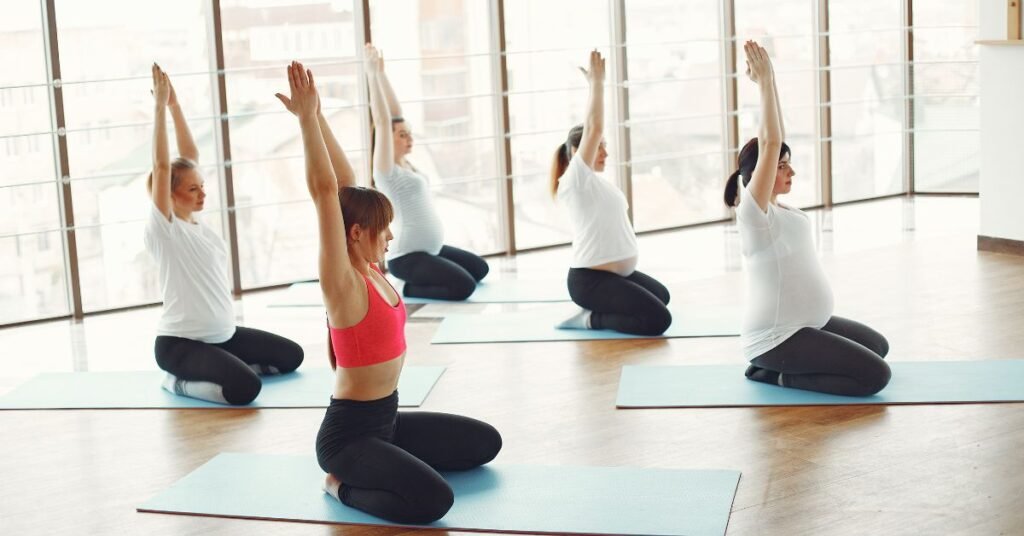
Yoga offers women a powerful way to nurture both body and mind, promoting strength, balance, and inner calm. Whether you’re seeking stress relief, flexibility, or improved overall wellness, incorporating key yoga poses into your routine can make a meaningful difference. These time-tested asanas support hormonal balance, boost energy, and enhance emotional well-being. Yoga poses every woman should practice to cultivate a healthier, more centered lifestyle. Here are Yoga Poses Every Woman Should Practice Cat-Cow Pose (Marjaryasana-Bitilasana) Cat-Cow is a gentle, flowing yoga sequence that improves spinal flexibility and posture. During pregnancy, as the weight of the baby increases, it’s common to experience back pain and stiffness. This pose helps to release that tension while strengthening the back and core. It also encourages mindful breathing, which helps prepare you for labor. How to Do It : Begin on your hands and knees in a tabletop position, shoulders over wrists and hips over knees. Inhale and arch your back, lifting your head and tailbone up (Cow Pose). Exhale and round your spine, tucking your chin and tailbone under (Cat Pose). Continue to flow gently between Cow and Cat poses with each breath. Repeat for 8–10 breaths, moving slowly and mindfully. Read More: 10 Prenatal Yoga Poses For First Trimester Of Pregnancy Veerabhadrasana (Warrior Pose) Warrior II is a powerful standing posture that helps build stamina, strength, and focus. For pregnant women, it strengthens the legs, opens the hips, and stabilizes the core—supporting your changing body. It also promotes a sense of grounding and inner power as you prepare for childbirth. How to Do It : Stand tall and step one foot back about 3–4 feet. Turn your back foot out slightly and bend your front knee at a 90-degree angle. Keep your hips squared forward and arms raised parallel to the floor. Gaze over your front fingertips and hold the pose, breathing deeply. Stay for 5–8 breaths, then switch sides. Trikonasana (Triangle Pose) Triangle Pose is a dynamic posture that enhances balance and stretches the sides of the body, hips, and spine. It improves digestion, which can be especially helpful during pregnancy, and helps relieve backache and tension. Practicing Trikonasana promotes both physical alignment and a calm, focused mind. How to Do It : Stand with your feet wide apart, toes facing forward. Turn your right foot out and left foot slightly in. Extend your arms out at shoulder height. Reach your right hand toward your right foot, resting it on your shin or thigh. Stretch your left arm up to the sky and gaze up, holding for 5–7 breaths. Switch sides. Read More: Top 5 Postnatal Yoga Poses For C Section Recovery Baddha Konasana (Butterfly Pose) Baddha Konasana also known as the Butterfly Pose, this seated posture opens the hips and stretches the inner thighs—areas that can become tight during pregnancy. It increases circulation in the pelvic area, making it beneficial for labor preparation. The pose also supports emotional calmness and a restful mind. How to Do It : Sit with your spine tall and legs extended forward. Bring the soles of your feet together and let your knees fall outward. Hold your feet or ankles gently with both hands. Inhale to lengthen your spine, exhale to soften into the pose. Stay in the pose for 1–2 minutes, breathing slowly. Viparita Karani (Legs-Up-the-Wall Pose) Viparita Karani is a deeply restorative pose that encourages relaxation and reduces swelling in the legs, ankles, and feet—common symptoms during pregnancy. It also helps improve blood circulation and soothes the nervous system, making it a perfect pose to unwind at the end of the day. How to Do It : Sit sideways next to a wall with one hip touching it. Gently lie back as you swing your legs up the wall. Adjust your distance so your lower back is supported comfortably. Let your arms rest by your sides, palms facing up. Close your eyes and breathe deeply for 5–10 minutes. Essential Yoga Poses Every Woman Should Embrace Embracing a regular yoga practice empowers women to build strength, improve flexibility, and nurture emotional balance. Each pose offers unique benefits that support overall well-being, from reducing stress to enhancing hormonal health. By incorporating these essential asanas into your daily routine, you create space for greater mindfulness, vitality, and self-care. Remember, consistency matters more than perfection—honor your body, move with intention, and let yoga become a grounding force in your life. Join us at Body and Mind Yoga Center, where our specialized prenatal yoga classes in Dubai provide a nurturing environment for mothers-to-be to connect with their bodies and their growing babies.
How Prenatal Yoga Helps to Reduce Swelling & Improve Circulation?
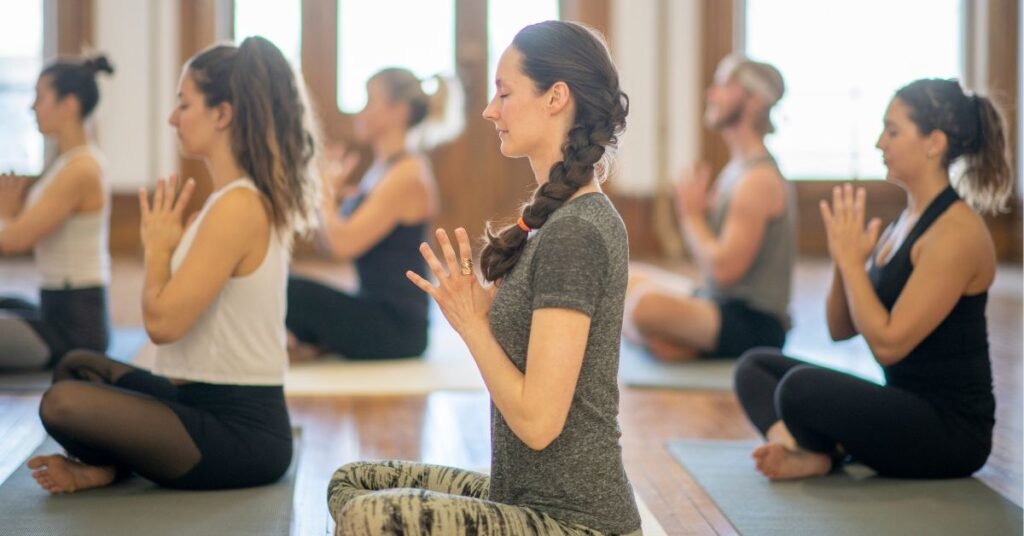
Prenatal yoga offers gentle yet powerful support for expecting mothers, especially when it comes to reducing swelling and improving circulation. As the body works hard to nourish a growing baby, fluid retention and sluggish blood flow can lead to discomfort in the legs, feet, and hands. Through mindful movement, deep breathing, and relaxation techniques, prenatal yoga encourages better circulation, eases tension, and keeps the body active in a safe way. It’s a nurturing practice that promotes comfort, balance, and overall well-being. Why Swelling and Poor Circulation Occur During Pregnancy? Increased Blood Volume During pregnancy, a woman’s blood volume increases significantly to meet the needs of the developing baby. While this is essential for fetal growth, it can also put extra pressure on the circulatory system. As the body adjusts, blood may flow more slowly, leading to fluid accumulation in the tissues. This often appears as swelling in the legs, feet, and sometimes the face. Pressure on Blood Vessels As the uterus expands, it can press against major blood vessels, particularly the inferior vena cava, which returns blood from the lower body to the heart. This pressure can restrict blood flow and make it harder for blood to circulate efficiently. When circulation slows, fluid tends to pool in the lower extremities. This is why swelling may become more noticeable in late pregnancy. Fluid Retention Hormonal shifts during pregnancy naturally cause the body to retain more water to support fetal development. This retained fluid can leak into surrounding tissues, contributing to swelling. Changes in progesterone levels also relax blood vessel walls, which can further slow circulation. As a result, the hands and feet may feel puffy, especially at the end of the day. Reduced Physical Activity Pregnancy often brings fatigue, discomfort, and a slower pace of daily movement. Less physical activity means muscles pump blood less effectively back to the heart. When activity decreases, circulation can weaken, causing fluid to settle instead of flowing smoothly. Gentle exercise, such as prenatal yoga, can help counteract this and keep blood moving. Prenatal Yoga Helps Alleviate Swelling and Improve Circulation Encourages Gentle Movement – Prenatal yoga involves slow, controlled stretches that keep the body active without strain, helping improve blood flow and prevent fluid buildup. Boosts Lymphatic Drainage – Specific poses stimulate the lymphatic system, reducing water retention and easing swelling in the feet and hands. Improves Blood Circulation – Breathing exercises and poses that open the hips and legs support better circulation, ensuring blood flows efficiently throughout the body. Promotes Relaxation and Stress Relief – Relaxation techniques calm the nervous system, reducing tension and improving overall circulation for a more comfortable pregnancy. Safe and Effective Prenatal Yoga Poses for Better Blood Flow Cat-Cow Pose (Marjaryasana-Bitilasana) Cat-Cow is a gentle spinal movement that helps ease stiffness in the back, neck, and shoulders. The rhythmic flowing motion stimulates circulation throughout the spine and abdominal area. It also improves breathing patterns, helping expectant mothers feel more relaxed and energized. This pose is especially beneficial for relieving tension caused by the additional pregnancy weight. How to Do It: Come onto hands and knees in a tabletop position. Inhale, drop the belly, lift the chest and tailbone (Cow Pose). Exhale, round the spine and tuck the chin to the chest (Cat Pose). Continue flowing with each breath. Repeat for 8–10 rounds. Legs Up the Wall (Viparita Karani) This restorative inversion allows gravity to naturally draw blood from the legs back toward the heart, reducing swelling in the feet and ankles. It encourages deep relaxation and calms the nervous system, which supports overall circulation. By elevating the legs, expectant mothers may find relief from fatigue and heaviness. It’s a soothing pose that can be practiced anytime to restore energy. How to Do It: Sit sideways near a wall. Gently swing your legs up while lying back. Keep your hips close to the wall and relax arms beside the body. Focus on slow breathing. Hold for 5–10 minutes. Bound Angle Pose (Baddha Konasana) Bound Angle Pose gently opens the hips and inner thighs while improving blood flow to the pelvic region. It helps reduce stiffness from sitting or standing for long periods, making movement more comfortable throughout pregnancy. The pose also encourages relaxation and deeper breathing, which supports better circulation. Many mothers use this pose to prepare the body for labor by increasing hip flexibility. How to Do It: Sit with legs extended. Bend knees and bring the soles of your feet together. Let knees fall gently to the sides. Sit tall, lengthening your spine. Hold and breathe for 1–3 minutes. Side-Lying Corpse Pose (Modified Savasana) This pregnancy-safe relaxation pose ensures there is no pressure on the vena cava, allowing smooth circulation and comfortable rest. It helps reduce swelling by promoting blood return to the heart while releasing tension throughout the body. Lying on the left side supports healthy blood flow to the uterus and baby. It’s perfect for ending a yoga routine or simply unwinding after a long day. How to Do It: Lie on your left side. Place a pillow between your knees for comfort. Support your belly with a cushion if needed. Close your eyes and breathe deeply. Relax for 5–10 minutes. Seated Forward Bend (Paschimottanasana – Prenatal Variation) This gentle forward bend stretches the lower back and hamstrings while promoting blood flow through the legs. With support from a pillow or bolster, it becomes a restful pose suitable for pregnancy. It helps reduce swelling and tension in the lower body caused by prolonged standing or sitting. The forward fold also encourages relaxation and deep breathing, helping calm the mind and body. How to Do It: Stand with feet hip-width apart. Place hands on a chair for support. Hinge forward from the hips, keeping knees soft. Let the head and upper body relax. Breathe slowly for 1–2 minutes. Prenatal Yoga Is a Gentle Support for Expecting Mothers Prenatal yoga offers a simple yet powerful way for expecting mothers to manage swelling and boost circulation naturally. Through gentle
5 Yoga Poses to Relieve Pelvic Pain
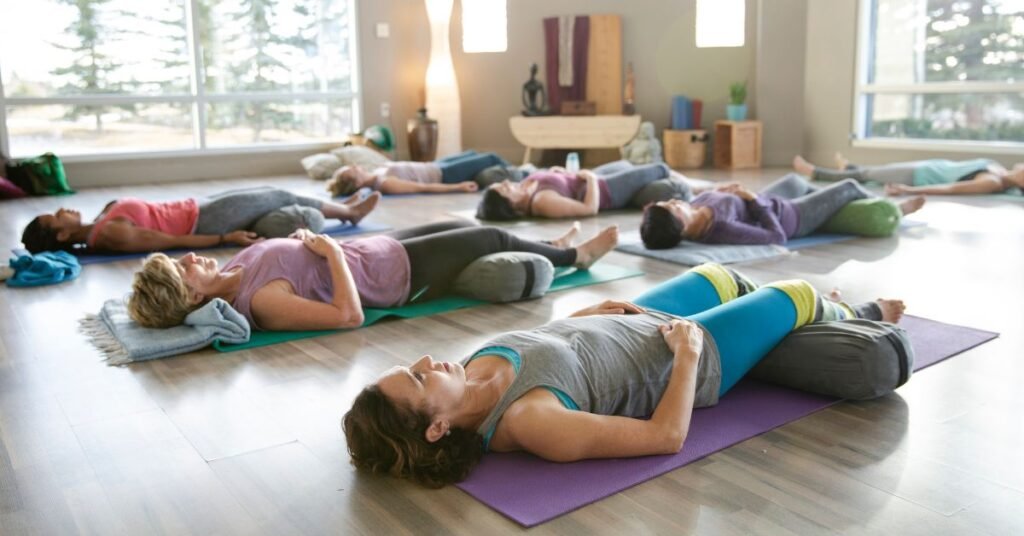
Pelvic pain can disrupt your daily life, affect your mobility, and even take a toll on your emotional well-being. Whether it stems from poor posture, muscle tightness, menstrual discomfort, or prolonged stress, finding natural and lasting relief is essential. Yoga offers a gentle yet powerful way to ease pelvic tension by improving flexibility, strengthening core muscles, and calming the nervous system. In this blog, we’ll explore effective yoga poses that support pelvic health, reduce discomfort, and help you feel more balanced and at ease in your body. Let’s begin your journey toward comfort and healing—one mindful stretch at a time. What is the Impact of Yoga on Pelvic Floor Pain? Yoga has a profound and positive impact on reducing pelvic pain by addressing both the physical and emotional factors that contribute to discomfort. Through gentle stretching, mindful movement, and deep breathing, yoga helps relax tight pelvic muscles, improve blood circulation, and enhance overall core stability. It also reduces stress and anxiety, which are often linked to increased pelvic tension. When practiced consistently, yoga not only eases pain but also supports long-term pelvic health, helping individuals regain comfort, mobility, and confidence in their bodies. Read More: Yoga Poses for Hormonal Balance in Women Here are 5 Yoga Poses to Relieve Pelvic Pain Child’s Pose (Balasana) Child’s Pose gently stretches the lower back, hips, and pelvic floor. It releases built-up tension, promotes relaxation, and helps calm the nervous system—making it ideal for soothing pelvic discomfort. How to Do It : Kneel on the floor with your knees wide and big toes touching. Sit back onto your heels. Extend your arms forward and lower your chest toward the floor. Rest your forehead down and soften your belly. Take slow, deep breaths and relax into the stretch. Bridge Pose (Setu Bandhasana) Bridge Pose strengthens the glutes and lower back while gently opening the front body. It supports pelvic alignment, reduces tightness, and improves stability around the pelvic region. How to Do It : Lie on your back with your knees bent and feet hip-width apart. Place your arms alongside your body, palms down. Press into your feet and lift your hips upward. Engage your glutes and avoid over-arching your back. Hold for a few breaths, then slowly lower down. Reclining Bound Angle Pose (Supta Baddha Konasana) This restorative pose opens the hips and releases tension in the inner thighs and pelvic floor. It helps improve circulation and encourages full-body relaxation. How to Do It : Lie on your back with your knees bent. Bring the soles of your feet together, allowing your knees to fall outward. Place your hands on your belly or alongside your body. Relax your shoulders and jaw. Close your eyes and breathe deeply, softening the pelvic area. Cat-Cow Pose (Marjaryasana–Bitilasana) Cat-Cow improves mobility in the spine and pelvis, reduces stiffness, and increases blood flow to the lower back and pelvic muscles—often easing pain caused by tension. How to Do It : Start on your hands and knees in a tabletop position. Inhale, arch your back, and lift your head and tailbone (Cow). Exhale, round your spine, and tuck your chin and tailbone (Cat). Continue flowing with your breath. Repeat for 8–10 rounds to release tension. Cobra Pose (Bhujangasana) Cobra Pose gently strengthens the lower back and opens the front body, improving blood flow to the pelvic region. It helps reduce stiffness, relieves pressure on the pelvis, and supports better posture, which can ease pelvic discomfort. How to Do It : Lie on your belly with your legs extended and tops of your feet resting on the floor. Place your palms under your shoulders, elbows close to your ribs. Inhale and slowly lift your chest off the floor, using your back muscles. Keep your shoulders relaxed and gaze slightly forward. Hold for a few breaths, then exhale and gently lower down. Say Goodbye to Pelvic Pain with Yoga That Bring Relief Incorporating these yoga poses into your daily routine can be a gentle yet effective way to relieve pelvic pain and improve overall pelvic health. By stretching tight muscles, strengthening the core, and promoting relaxation, yoga not only eases discomfort but also supports long-term wellness. Consistent practice can help you regain mobility, reduce tension, and enhance your body’s natural balance, making pelvic pain more manageable and improving your overall quality of life. Embrace these yoga poses regularly to foster a harmonious blend of strength, flexibility, and tranquility in your wellness routine. Want to learn Yoga? Visit Body and Mind Yoga Center, we provide the yoga classes for women in Dubai with a variety of lessons suited to fit your needs and preferences.
Best 5 Yoga Poses to Regulate Irregular Periods Naturally
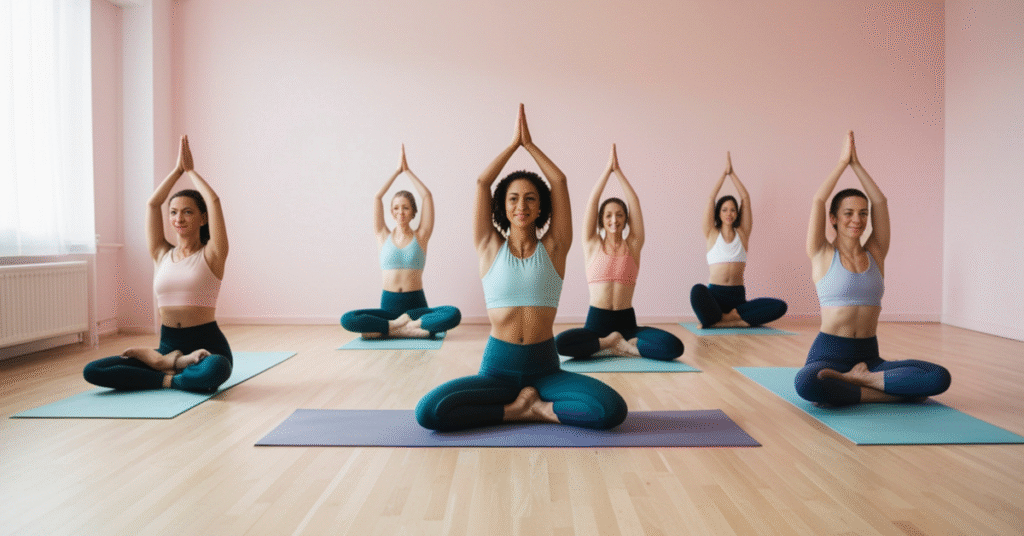
Managing irregular periods can be frustrating, often affecting your daily routine, mood, and overall well-being. While lifestyle changes and medical guidance play an important role, yoga has emerged as a gentle, natural way to support better menstrual balance. Through targeted poses that improve blood circulation, reduce stress, and regulate hormonal function, yoga can help create a more consistent cycle. In this blog, you’ll learn how specific yoga practices can naturally support menstrual regularity and promote overall reproductive health. Understanding Irregular Periods and the Role of Yoga Understanding irregular periods is essential for women’s overall health, as fluctuations in the menstrual cycle often signal hormonal imbalances, stress, lifestyle issues, or underlying conditions like PCOS or thyroid dysfunction. While medical guidance is important, yoga plays a powerful supportive role in restoring balance by regulating hormones, improving blood circulation to the reproductive organs, and reducing stress levels that often disrupt menstrual rhythm. Gentle practices like pranayama, hip-opening asanas, and relaxation techniques help calm the nervous system, ease period-related discomfort, and promote a more consistent cycle. Integrating yoga into a daily routine offers a natural, holistic way to bring the body back into harmony and support long-term menstrual well-being. How Yoga Helps with Irregular Periods? Yoga helps with irregular periods by addressing the root causes that commonly disrupt a woman’s cycle; stress, hormonal imbalance, poor blood circulation, and an inactive lifestyle. Specific yoga asanas stimulate the reproductive organs, enhance pelvic blood flow, and support the endocrine system, which regulates hormones. Deep-breathing techniques like pranayama calm the nervous system, lowering cortisol levels that often interfere with menstrual regularity. Yoga reduces inflammation, improves digestion, and releases physical tension stored in the hips and lower abdomen; all of which contribute to a more balanced menstrual cycle. With consistent practice, yoga creates harmony between the mind, body, and hormones, helping your periods become more regular and less painful over time. How Yoga Helps with Irregular Periods? Supta Baddha Konasana (Reclining Bound Angle Pose) Supta Baddha Konasana deeply relaxes the pelvic muscles while improving blood flow to the reproductive organs. It helps reduce stress and supports hormonal balance, making it beneficial for irregular periods. The pose also releases tension in the hips and lower abdomen, promoting overall menstrual wellness. How to Do It : Sit on the floor with your knees bent and feet together. Allow your knees to drop outward, forming a diamond shape with your legs. Slowly recline back using your elbows until your back rests on the floor. Place your hands beside your body or on your belly. Close your eyes and breathe deeply, relaxing into the pose. Bhujangasana (Cobra Pose) Bhujangasana strengthens the spine and massages the abdominal organs, which supports reproductive health. It helps stimulate the ovaries and enhances circulation to the pelvic region. This pose also boosts energy and reduces stress, both of which are important for maintaining a regular menstrual cycle. How to Do It : Lie on your stomach with legs extended and palms under your shoulders. Press the tops of your feet into the mat. Inhale and gently lift your chest off the floor using back strength. Keep your elbows slightly bent and shoulders relaxed. Hold for a few breaths, then slowly lower down. Balasana (Child’s Pose) Balasana is a calming pose that gently stretches the hips, thighs, and lower back. It relaxes the nervous system, helping reduce stress, a major cause of irregular periods. The pose promotes emotional balance and soothes menstrual discomfort. How to Do It : Kneel on the floor and sit back on your heels. Separate your knees slightly apart. Fold forward, extending your arms in front of you. Rest your forehead on the mat. Breathe slowly and allow your body to relax. Dhanurasana (Bow Pose) Dhanurasana stretches the entire front body and stimulates reproductive organs, helping regulate hormonal activity. It improves pelvic blood circulation and reduces menstrual irregularities. This pose also strengthens the back and improves overall flexibility. How to Do It : Lie on your stomach with your arms by your sides. Bend your knees and reach back to hold your ankles. Inhale and lift your chest and legs off the floor. Allow your body to form a gentle bow shape. Hold briefly, then release slowly. Paschimottanasana (Seated Forward Bend) Paschimottanasana helps calm the mind and reduce stress, which directly impacts menstrual regularity. The pose stretches the lower abdomen, hips, and spine, supporting reproductive organ function. It also improves digestion, another factor linked to irregular cycles. How to Do It : Sit with your legs extended straight in front of you. Inhale and lengthen your spine upward. Exhale and slowly bend forward from your hips. Reach for your feet or shins, keeping your back long. Hold the pose gently while breathing deeply. Finding Balance Naturally: Your Path to a Healthier Cycle Irregular periods are often a sign that the body is seeking balance, and yoga offers a gentle yet powerful way to restore that harmony. By improving blood flow, reducing stress, and supporting hormonal regulation, these simple poses can make a meaningful difference in your menstrual health. With consistent practice, yoga not only helps regularize your cycle but also enhances overall physical and emotional well-being. If you’re struggling with period irregularities, incorporating these poses into your daily routine can be a natural, holistic step toward a healthier and more balanced life. Join us at Body and Mind Yoga Center, where our specialized prenatal yoga classes in Dubai provide a nurturing environment for mothers-to-be to connect with their bodies and their growing babies.
5 Pelvic Floor Yoga Poses for an Easier Labor & Delivery
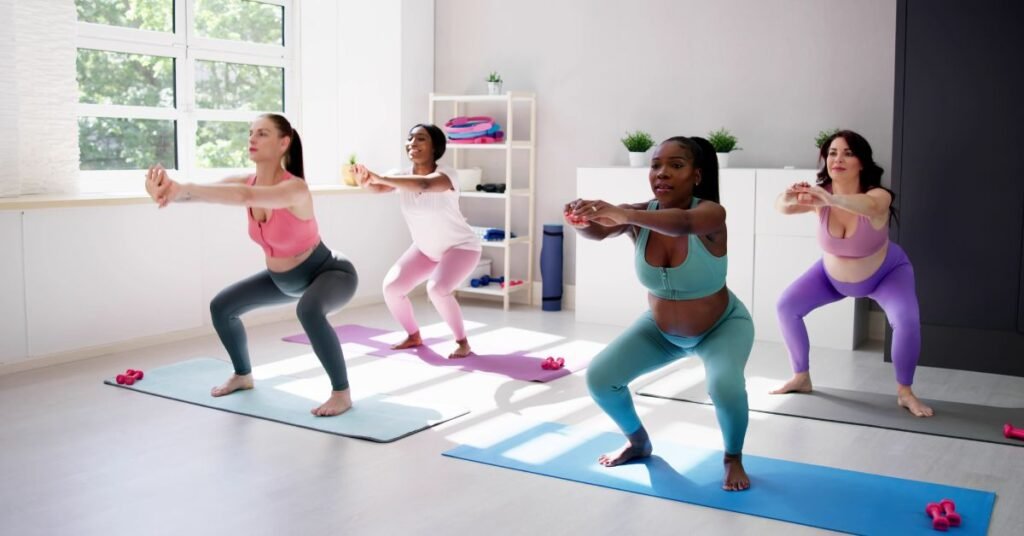
Preparing your body for childbirth is just as important as planning for the big day itself. Pelvic floor poses can help strengthen, relax, and create more flexibility in the muscles that support your uterus, bladder, and bowels making labor and delivery smoother and less stressful. By practicing these targeted yoga postures regularly, you can improve stability, reduce discomfort, and enhance your body’s natural ability to birth with confidence. Let’s explore the most effective pelvic floor poses for an easier delivery. How to Use Yoga During Labour? Using yoga during labour can help you manage pain, stay calm, and support your body’s natural birthing process. Focus on deep, mindful breathing to regulate stress and maintain steady oxygen flow, which helps both you and your baby. Gentle movements such as hip circles, squats, and rocking on a birthing ball encourage pelvis opening and ease tension. Restorative poses between contractions promote relaxation, while guided visualization keeps your mind centered. Together, these techniques make labour more manageable and empowering. Benefits of Yoga to Prepare for Childbirth Strengthens Pelvic Floor Muscles – Yoga helps build stability and control in the pelvic region, supporting a smoother labour and postpartum recovery. Improves Flexibility and Mobility – Gentle stretching opens the hips, reduces tension, and helps your body adapt to birthing positions with ease. Enhances Breath Control – Deep breathing techniques reduce stress, manage pain, and keep you calm during contractions. Reduces Pregnancy Discomfort – Yoga helps relieve back pain, swelling, and tightness by improving circulation and posture. Boosts Mental and Emotional Readiness – Mindfulness and relaxation practices strengthen confidence, reduce anxiety, and create a positive mindset for childbirth. Here are 5 Pelvic Floor Poses for an Easier Labor & Delivery Malasana (Garland Pose) Malasana is a deep squat that naturally opens the hips and lengthens the pelvic floor muscles, helping your body prepare for the birthing position. This pose improves mobility in the lower back, hips, and ankles, which are essential during labor. Practicing it regularly can also ease pelvic discomfort and support better alignment for the baby. How to Do It: Stand with feet wider than hip-width. Turn your toes slightly outward. Bend your knees and lower into a deep squat. Bring palms together at your chest, elbows pressing into knees. Lengthen your spine and breathe deeply. Bridge Pose (Setu Bandhasana) Bridge Pose strengthens the glutes, lower back, and pelvic floor, making it easier for your body to support childbirth. It also helps counteract the heaviness in the pelvis by gently lifting and opening the front body. This pose can reduce lower back pain, improve posture, and enhance circulation in the pelvic region. How to Do It: Lie on your back with knees bent and feet hip-width apart. Place arms beside your body, palms down. Press through your feet to lift your hips upward. Engage your glutes and pelvic floor gently. Hold for a few breaths, then slowly lower down. Cat-Cow Pose (Marjaryasana–Bitilasana) Cat-Cow is a flowing movement that releases tension in the spine while promoting flexibility in the back and core. This gentle sequence helps the baby settle into an optimal birthing position by improving pelvic mobility. It also boosts circulation and relieves discomfort caused by pregnancy-related posture changes. How to Do It: Come onto hands and knees in a tabletop position. Inhale: Drop your belly and lift your chest (Cow). Exhale: Round your spine and tuck your chin (Cat). Continue alternating movements with your breath. Repeat for 8–10 rounds, moving slowly and smoothly. Bound Angle Pose (Baddha Konasana) Bound Angle Pose provides a soothing stretch to the inner thighs and hips while gently relaxing the pelvic floor. It helps relieve tightness from sitting or carrying extra pregnancy weight. Regular practice improves pelvic circulation and supports a more comfortable labor experience. How to Do It: Sit tall and bring the soles of your feet together. Let your knees fall outward comfortably. Hold your feet or ankles with your hands. Lengthen your spine and relax your shoulders. Stay for several breaths, gently pressing knees toward the floor. Child’s Pose (Balasana) Child’s Pose is a deeply calming posture that encourages pelvic floor relaxation and reduces tension in the back and hips. It helps create space in the lower abdomen, promoting a sense of ease and grounding. This pose also supports emotional relaxation, helping you stay centered and calm during pregnancy. How to Do It: Kneel on the floor with knees wide apart. Lower your hips back toward your heels. Extend your arms forward and rest your forehead on the mat. Relax your belly and pelvic area completely. Breathe slowly and stay as long as comfortable. Prepare Your Body and Mind for an Easier Labor & Delivery Preparing your body for childbirth through mindful movement can make a meaningful difference in how confident, strong, and calm you feel on your big day. Yoga helps you connect with your breath, build trust in your body, and create the physical and mental space needed for a smoother birthing experience. By practicing regularly and listening to your body’s cues, you can approach labor with greater ease, balance, and readiness for the beautiful journey ahead. Join us at Body and Mind Yoga Center, where our specialized prenatal yoga classes in Dubai provide a nurturing environment for mothers-to-be to connect with their bodies and their growing babies.
Best Yoga Poses for a Healthy Uterus
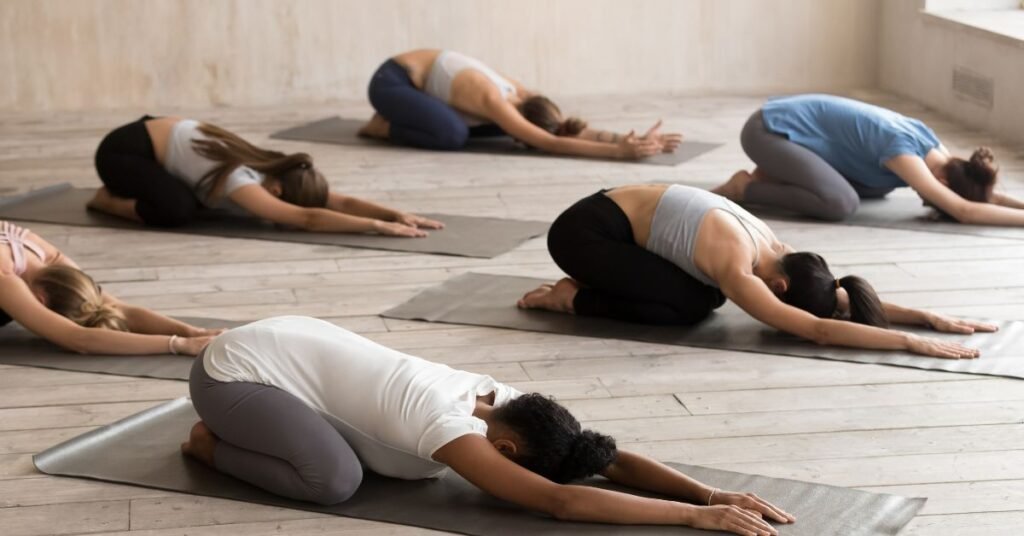
A healthy uterus plays a vital role in women’s overall well-being, influencing hormonal balance, fertility, and menstrual health. Yoga, with its gentle stretches and mindful breathing, can significantly improve uterine health by boosting blood circulation, reducing stress, and balancing reproductive hormones. Incorporating specific yoga poses into your routine not only strengthens pelvic muscles but also supports a healthier menstrual cycle and emotional harmony. Can Yoga Improve Fertility? Yes, yoga can help improve fertility by promoting both physical and emotional well-being. Certain yoga poses enhance blood flow to the reproductive organs, balance hormones, and reduce stress, one of the major factors that can affect fertility. Regular practice also helps regulate menstrual cycles, detoxify the body, and create a calm mental state that supports conception. While yoga isn’t a standalone treatment, it can be a powerful complementary practice for improving fertility naturally. How Does Yoga Benefit Uterus Health? Yoga benefits uterus health by improving blood circulation to the pelvic region, which nourishes and strengthens the uterine muscles. Regular practice helps balance reproductive hormones, ease menstrual cramps, and support a healthier menstrual cycle. Additionally, yoga reduces stress and anxiety factors that can negatively affect reproductive health. Certain poses also promote flexibility and relaxation in the lower abdomen, helping maintain optimal uterine function and overall reproductive well-being. Here are 5 Yoga Poses for a Healthy Uterus Butterfly Pose (Baddha Konasana) Butterfly Pose (Baddha Konasana) is a seated yoga pose that gently opens the hips and groin while stretching the inner thighs. It promotes relaxation and improves flexibility in the lower body. This pose is particularly beneficial for alleviating tension and enhancing circulation in the pelvic area. How to do it: Sit on the floor with your legs extended. Bend your knees and bring the soles of your feet together, allowing your knees to fall out to the sides. Hold your feet or ankles and sit up tall, lengthening your spine. If comfortable, hinge at your hips to fold forward slightly, keeping your back straight. Hold for a few breaths. Cat-Cow Pose (Marjaryasana-Bitilasana) Cat-Cow Pose (Marjaryasana-Bitilasana) is a gentle, flowing sequence that alternates between arcing and rounding the spine. This movement helps to increase flexibility, relieve tension in the back, and warm up the body. It’s an excellent way to synchronize breath with motion and enhance spinal mobility. How to do it: Start on your hands and knees in a tabletop position, with wrists under shoulders and knees under hips. Inhale, arch your back and lift your head and tailbone towards the ceiling (Cow Pose). Exhale, round your spine, tucking your chin to your chest and drawing your belly to your spine (Cat Pose). Flow between these two poses for 1-2 minutes, synchronizing your breath with the movements. Bridge Pose (Setu Bandhasana) Bridge Pose (Setu Bandhasana) is a backbend that strengthens the back, glutes, and hamstrings while opening the chest and shoulders. This pose helps to improve spinal flexibility and can alleviate back pain. It also promotes relaxation and stimulates the lungs and thyroid gland. How to do it: Lie on your back with your knees bent and feet flat on the floor, hip-width apart. Place your arms by your sides with palms down. Press your feet and arms into the floor as you lift your hips towards the ceiling. Roll your shoulders underneath your body and clasp your hands together if comfortable. Hold the pose for a few breaths, then slowly lower your hips back to the floor. Seated Forward Bend (Paschimottanasana) Seated Forward Bend (Paschimottanasana) is a calming pose that stretches the spine, hamstrings, and shoulders. This pose helps improve digestion and flexibility while promoting relaxation. It’s an effective way to relieve stress and reduce fatigue. How to do it: Sit on the floor with your legs extended straight in front of you. Inhale and lengthen your spine, reaching your arms overhead. Exhale and hinge at your hips to fold forward, reaching for your feet, shins, or ankles. Keep your spine long and avoid rounding your back. Hold for 1-2 minutes, breathing deeply. Child’s Pose (Balasana) Child’s Pose (Balasana) is a restful pose that gently stretches the hips, thighs, and ankles while calming the mind. It provides a soothing relief for the back and neck and encourages relaxation. This pose is often used as a resting position between more challenging poses. How to do it: Start on your hands and knees in a tabletop position. Bring your big toes together and widen your knees apart. Sit back on your heels and extend your arms forward, lowering your torso between your thighs. Rest your forehead on the mat and breathe deeply, holding the pose for 1-3 minutes. Nurture Your Uterus with the Healing Power of Yoga Incorporating these yoga poses into your daily routine can greatly enhance uterine health by improving blood flow, balancing hormones, and reducing stress. Consistent practice not only supports reproductive wellness but also promotes emotional and physical harmony. Remember to move mindfully, breathe deeply, and listen to your body’s limits. With regular yoga practice, you can nurture your uterus naturally and build a stronger connection to your overall feminine health and well-being. Embrace these yoga poses regularly to foster a harmonious blend of strength, flexibility, and tranquility in your wellness routine. Want to learn Yoga? Visit Body and Mind Yoga Center, we provide the yoga classes for women in Dubai with a variety of lessons suited to fit your needs and preferences.
Yoga Poses for Hormonal Balance in Women
Hormonal imbalance can affect a woman’s mood, energy levels, metabolism, and overall well-being. Instead of relying solely on medication, yoga offers a natural and holistic way to restore harmony within the body. Through mindful movement, breathwork, and relaxation, yoga helps regulate endocrine functions, reduce stress, and balance hormones. Regular practice of specific poses can support reproductive health, ease menstrual discomfort, and promote emotional stability—empowering women to feel more centered and in control of their health. How Daily Yoga Can Improve Women’s Overall Hormonal Health? Daily yoga practice can significantly enhance women’s hormonal health by promoting balance in the body’s endocrine system. Consistent movement, deep breathing, and mindfulness reduce stress levels, lowering cortisol and supporting optimal hormone production. Yoga stimulates glands like the thyroid, adrenal, and reproductive organs, improving metabolism, mood, and menstrual health. Over time, this holistic approach not only stabilizes hormonal fluctuations but also fosters emotional well-being, better sleep, and overall vitality for women at every stage of life. Benefits of Daily Yoga for Womens Regulates Menstrual Cycle Yoga helps balance reproductive hormones such as estrogen and progesterone, which play a key role in maintaining a healthy menstrual cycle. Regular practice can ease issues like irregular periods, cramps, and PMS symptoms. Poses that stimulate the pelvic region improve blood circulation to the reproductive organs, supporting overall menstrual health and comfort. Reduces Stress Hormones Chronic stress triggers the release of cortisol, which can disrupt hormonal balance and affect mood, sleep, and fertility. Yoga’s focus on mindful breathing and relaxation techniques helps calm the nervous system and lower cortisol levels. Over time, this creates a more stable internal environment where hormones can function properly. Supports Thyroid Function The thyroid gland plays a vital role in regulating metabolism and energy levels. Certain yoga poses, such as Shoulder Stand and Fish Pose, gently massage and stimulate the thyroid area, improving its function. With regular practice, yoga can help alleviate fatigue and support metabolic balance in women. Enhances Mood and Emotional Stability Yoga encourages mindfulness and deep relaxation, which can naturally boost serotonin and endorphin production—hormones responsible for happiness and emotional balance. It helps reduce anxiety, mood swings, and irritability often linked to hormonal changes. By connecting the mind and body, yoga fosters inner calm and emotional resilience. Improves Sleep and Overall Vitality Hormonal imbalances often disrupt sleep patterns and energy levels. Gentle yoga stretches and restorative postures before bedtime can relax the body and promote restful sleep. Consistent practice restores balance in the endocrine system, leaving women feeling refreshed, energized, and more in tune with their natural rhythms. 5 Yoga Poses for Hormonal Balance in Women Bridge Pose (Setu Bandhasana) Bridge Pose strengthens the back, stimulates the thyroid gland, and improves blood circulation to the pelvic region. It helps balance hormones related to metabolism and reproductive health while calming the mind. How to Do It: Lie on your back with knees bent and feet hip-width apart. Place your arms beside your body, palms facing down. Inhale and lift your hips toward the ceiling. Keep your shoulders and neck relaxed as you hold the pose. Exhale slowly and lower your hips back down. Cobra Pose (Bhujangasana) Cobra Pose activates the adrenal glands, enhances blood flow, and energizes the body. It reduces stress and fatigue, promoting hormonal harmony and emotional balance. How to Do It: Lie flat on your stomach with palms under your shoulders. Keep your legs together and toes pointed. Inhale and gently lift your chest off the floor, keeping your elbows slightly bent. Open your chest and look upward without straining the neck. Exhale and slowly return to the starting position. Child’s Pose (Balasana) This restorative pose relaxes the body, calms the mind, and reduces cortisol levels. It is excellent for stress relief, which helps stabilize hormonal activity naturally. How to Do It: Kneel on the mat and sit back on your heels. Separate your knees slightly, keeping your big toes together. Exhale and bend forward, resting your forehead on the mat. Stretch your arms forward or place them alongside your body. Breathe deeply and stay in this pose for a few minutes. Butterfly Pose (Baddha Konasana) Butterfly Pose enhances circulation in the pelvic area, supporting reproductive and hormonal health. It also eases menstrual discomfort and promotes relaxation. How to Do It: Sit on the floor with your legs extended. Bend your knees and bring the soles of your feet together. Hold your feet with your hands and sit upright. Inhale deeply, then exhale as you gently press your knees toward the ground. Maintain steady breathing while holding the pose for 30–60 seconds. Legs-Up-the-Wall Pose (Viparita Karani) This gentle inversion improves blood flow, relieves fatigue, and calms the nervous system. It supports hormonal balance by reducing stress and improving circulation to the endocrine glands. How to Do It: Sit close to a wall and lie on your back. Swing your legs up so they rest vertically against the wall. Keep your arms relaxed at your sides with palms facing up. Close your eyes and breathe slowly and deeply. Stay in the pose for 5–10 minutes, then gently roll to one side to exit. Yoga Helps Restore Hormonal Balance Naturally Incorporating yoga into your daily routine offers a natural and holistic path to hormonal balance and overall well-being. Through mindful movement, deep breathing, and relaxation, yoga nurtures both the body and mind, reducing stress and supporting the endocrine system. Over time, regular practice can help women experience improved energy, emotional stability, and inner harmony. It’s a gentle reminder that true balance begins within, and yoga provides the foundation to achieve it naturally. Join us at Body and Mind Yoga Center, where our specialized prenatal yoga classes in Dubai provide a nurturing environment for mothers-to-be to connect with their bodies and their growing babies.
Best Yoga Poses for PCOD That Will Help You
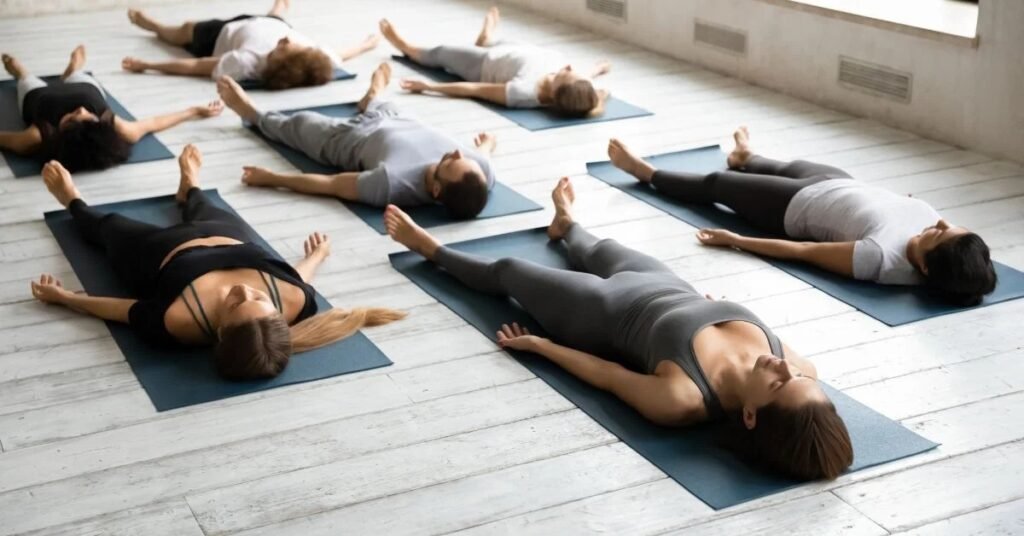
Living with PCOD (Polycystic Ovarian Disease) can be challenging, as it often brings symptoms like irregular periods, weight gain, hormonal imbalance, and stress. While medical treatment plays an important role, incorporating yoga into your daily routine can offer powerful natural support. Yoga not only helps balance hormones and manage weight but also reduces stress — one of the major triggers of PCOD symptoms. In this blog, we’ll explore the best yoga poses for PCOD that can help you restore balance, improve reproductive health, and enhance overall well-being. What Are the Benefits of Yoga for PCOD? Yoga offers numerous benefits for women dealing with PCOD (Polycystic Ovarian Disease) by addressing both the physical and emotional aspects of the condition. Regular yoga practice helps improve hormonal balance, promote better blood circulation to the pelvic region, and regulate the menstrual cycle. It also supports weight management by boosting metabolism and reducing insulin resistance — two key factors in managing PCOD. Beyond the physical benefits, yoga is a natural stress reliever. It calms the nervous system, lowers cortisol levels, and enhances mood, which in turn helps control hormonal fluctuations. Overall, yoga provides a holistic way to manage PCOD symptoms, bringing the body and mind into harmony. Read More: Yoga for Gynecological Health: Strengthen, Balance, and Heal Naturally Here are 5 Yoga Poses for PCOD Cat-Cow Stretch (Marjaryasana-Bitilasana) This gentle flow between two poses helps relieve tension in the lower back and hips, which are common areas of discomfort during pregnancy. It improves spinal flexibility and encourages proper posture. The rhythmic movement paired with breath also calms the nervous system. How to do it: Start on your hands and knees in a tabletop position. Inhale, arch your back, lift your head and tailbone (Cow Pose). Exhale, round your spine, tuck your chin and pelvis (Cat Pose). Repeat slowly, syncing with your breath. Continue for 1–2 minutes. Bound Angle Pose (Baddha Konasana) Butterfly Pose, this seated posture opens the hips and inner thighs, promoting flexibility and blood circulation in the pelvic area. It helps prepare the body for labor and can reduce discomfort in the lower back. Sitting upright also supports better digestion and posture. It’s easy to modify with cushions for added comfort. How to do it: Sit tall on a mat or cushion. Bring the soles of your feet together. Let your knees drop gently to the sides. Hold your feet or ankles. Breathe deeply for 1–3 minutes. Read More: How Prenatal Yoga Helps Relieve Constipation During Pregnancy? Goddess Pose (Utkata Konasana) Goddess Pose strengthens the legs, glutes, and pelvic floor, helping build stamina for labor. It encourages a sense of grounding and stability, both physically and emotionally. This pose also opens the hips and stretches the chest and shoulders. How to do it: Stand with feet wide apart, toes pointing out. Bend your knees into a gentle squat. Raise your arms, elbows bent, palms forward. Engage your core and keep your back straight. Hold for 5 breaths, then slowly rise. Legs-Up-The-Wall Pose (Viparita Karani) This restorative pose helps reduce swelling in the feet and ankles, a common issue during pregnancy. It promotes relaxation, eases lower back tension, and improves circulation. The gentle inversion also helps calm the mind and relieve fatigue. How to do it: Sit sideways next to a wall. Lie back and lift your legs up the wall. Rest your arms beside you. Close your eyes and breathe deeply. Stay for 5–10 minutes, then gently roll to your side. Side-Lying Corpse Pose (Savasana – Left Side Variation) This is a deeply relaxing posture ideal for rest. Lying on the left side improves blood flow to the baby and reduces pressure on major veins. It provides emotional grounding and enhances the mother-baby connection. Using pillows ensures safety and full-body comfort. How to do it: Lie on your left side. Place a pillow between your knees and under your head. Rest your top arm on your belly. Close your eyes and breathe deeply. Stay for 5–10 minutes to fully relax. Embrace Yoga for a Healthier PCOD Journey Managing PCOD requires a balanced approach that nurtures both body and mind, and yoga offers just that. By practicing regularly, you can naturally support hormonal balance, reduce stress, and enhance your overall well-being. Along with a healthy diet and lifestyle, yoga helps restore inner harmony and strengthens your connection with your body. Consistency is key even a few minutes of mindful movement and deep breathing each day can make a meaningful difference in managing PCOD and improving your quality of life. Join us at Body and Mind Yoga Center, where our specialized prenatal yoga classes in Dubai provide a nurturing environment for mothers-to-be to connect with their bodies and their growing babies.
Yoga for Gynecological Health: Strengthen, Balance, and Heal Naturally

Women’s health is deeply interconnected with physical, hormonal, and emotional well-being. Gynecological health, in particular, plays a crucial role in overall vitality, affecting everything from menstrual cycles to hormonal balance and reproductive wellness. While modern medicine offers solutions for many concerns, a holistic approach can help support long-term well-being. Yoga, with its combination of mindful movement, breathing, and relaxation, is more than just a fitness practice—it’s a natural way to nurture the body, regulate hormones, and promote reproductive health. Regular practice can reduce discomfort, relieve stress, enhance core and pelvic strength, and create a foundation for a healthier, more balanced life. Can Yoga Improve Your Gynecological Health? Women’s health is deeply connected to both physical and emotional well-being, and gynecological health plays a vital role in overall vitality. From hormonal balance to menstrual regularity, reproductive wellness affects daily life in countless ways. But did you know that incorporating yoga into your routine can have a profound impact on your gynecological health? Yoga isn’t just about flexibility or relaxation. Yoga improves blood circulation, reduces stress, and supports the proper functioning of reproductive organs. Yoga practices can help alleviate menstrual discomfort, regulate hormones, and promote a healthier reproductive system naturally. Whether you’re looking to manage period pain, enhance fertility, or simply feel more balanced, yoga offers gentle yet effective solutions for women at every stage of life. Read More: How Yoga Strengthens Pelvic Muscles for Childbirth? Benefits of Yoga for Gynecological Health Regulates Menstrual Cycles Yoga helps balance hormone levels, which is essential for maintaining regular menstrual cycles. By improving overall endocrine function and promoting circulation in the reproductive system, it can help reduce irregularities, stabilize cycle length, and ease premenstrual symptoms over time. Reduces Menstrual Discomfort Practicing yoga encourages relaxation and relieves tension in the lower abdomen and back, which are common areas affected during menstruation. It can help reduce cramps, bloating, and discomfort naturally while also calming the nervous system, making periods more manageable. Supports Fertility and Reproductive Health Yoga enhances blood flow and oxygen supply to the reproductive organs, which promotes optimal functioning and hormonal balance. Over time, this can support overall reproductive health and may positively influence fertility by creating a healthier environment for reproductive processes. Relieves Stress and Hormonal Imbalance Stress is a major factor that can disrupt hormonal balance and menstrual health. Yoga reduces stress by calming the mind, lowering cortisol levels, and promoting mental clarity. This natural stress relief helps stabilize hormones, improving overall gynecological and emotional well-being. Strengthens Core and Pelvic Health Regular yoga practice strengthens the core and pelvic region, which supports reproductive organs and improves overall gynecological health. A strong core and pelvic area can help prevent issues such as pelvic weakness, improve posture, and enhance general vitality. Read More: How Prenatal Yoga Helps Relieve Constipation During Pregnancy? What Yoga Practices Are Best for Gynecological Health? Cat-Cow Pose (Marjaryasana-Bitilasana) This gentle movement between two postures increases spinal flexibility and helps release tension in the back and shoulders. It also improves circulation and creates space in the abdomen, making breathing easier. Ideal for easing lower back pain during pregnancy. How to Do It: Begin on your hands and knees in a tabletop position. Align your wrists under shoulders and knees under hips. Inhale, lift your head and tailbone up, allowing your belly to drop (Cow). Exhale, round your back, tuck your chin toward your chest, and draw your belly in (Cat). Continue the flow for 5–8 slow, steady breaths. Bound Angle Pose (Baddha Konasana) Known as the butterfly pose, this asana gently opens the hips and pelvis, increasing flexibility and circulation in the lower body. It also helps prepare the body for labor by strengthening the pelvic floor muscles. A calming posture to practice in a seated position. How to Do It: Sit on the mat with your back straight. Bend your knees and bring the soles of your feet together. Let your knees fall outward comfortably. Hold your feet with your hands and keep your spine tall. Stay in this pose, breathing deeply for 1–2 minutes. Warrior II Pose (Virabhadrasana II) A powerful standing posture, Warrior II strengthens the legs, hips, and arms while improving stamina and focus. It enhances balance, which is especially helpful as the center of gravity shifts during pregnancy. The pose also promotes confidence and grounding. How to Do It: Stand with your feet about 3–4 feet apart. Turn your right foot outward and left foot slightly inward. Extend your arms out at shoulder height. Bend your right knee so it stacks above the ankle. Gaze over your right fingertips and hold for 4–5 breaths, then switch sides. Child’s Pose (Balasana – Pregnancy Variation) A deeply relaxing pose, this variation of Child’s Pose gently stretches the hips, thighs, and lower back. It helps relieve fatigue and calms the nervous system. With modifications, it becomes a safe and supportive resting posture during pregnancy. How to Do It: Kneel on the floor with your big toes touching. Widen your knees apart to make room for your belly. Sit back onto your heels. Stretch your arms forward on the mat. Rest your forehead on the mat or a cushion and breathe deeply. Supported Bridge Pose (Setu Bandhasana – Modified) This restorative posture helps open the chest, relieve back discomfort, and improve circulation. Using props like a cushion or block adds safety and comfort for pregnant women. It also promotes relaxation and reduces lower body tension. How to Do It: Lie on your back with your knees bent and feet hip-width apart. Place a yoga block, cushion, or bolster under your sacrum for support. Keep your arms relaxed by your sides with palms facing down. Close your eyes and take slow, steady breaths. Hold the pose for 5–6 breaths before slowly coming down. Transform Your Health with Daily Yoga Practice Yoga offers a gentle yet powerful way to support gynecological health, from regulating menstrual cycles and relieving discomfort to reducing stress and promoting overall reproductive wellness. By incorporating yoga
How Prenatal Yoga Helps Relieve Constipation During Pregnancy?
Pregnancy is a beautiful journey, but it often comes with uncomfortable changes, and constipation is one of the most common challenges many expectant mothers face. Hormonal shifts, a growing uterus, and lifestyle factors can slow digestion, making bowel movements irregular and uncomfortable. While it may feel like a routine inconvenience, managing constipation is important for overall comfort, health, and well-being during pregnancy. The good news is that prenatal yoga offers a natural, safe, and effective way to support digestion, relieve bloating, and promote regular bowel movements, helping moms-to-be feel lighter, healthier, and more comfortable throughout their pregnancy. Why Constipation Happens During Pregnancy? Constipation during pregnancy is a common issue caused by hormonal, physical, and lifestyle changes. Increased levels of the hormone progesterone relax the intestinal muscles, slowing digestion and making bowel movements less frequent. As the uterus grows, it puts pressure on the intestines, further affecting digestion. Iron supplements, often prescribed during pregnancy, can also harden stool and worsen constipation. Moreover, factors such as reduced physical activity, inadequate water intake, and a low-fiber diet contribute to the problem. Staying hydrated, eat fiber-rich foods, and engaging in gentle exercises or prenatal yoga can help relieve constipation and support healthy digestion throughout pregnancy. How Yoga Helps in Constipation During Pregnancy? Yoga can help relieve constipation during pregnancy by stimulating digestion, improving blood circulation, and gently massaging the abdominal organs. Prenatal yoga poses also enhance bowel movement regularity, reduce bloating, and promote overall digestive health in a safe and natural way. Benefits of Yoga for Constipation During Pregnancy Improves Digestion: Yoga stimulates the digestive system and encourages the smooth movement of food through the intestines. This helps prevent constipation and supports overall gut health during pregnancy. Reduces Bloating and Discomfort: Gentle yoga stretches and twists massage the abdominal area, relieving pressure and reducing bloating. It also helps ease discomfort caused by slowed digestion. Enhances Blood Circulation: Practicing yoga improves blood flow throughout the body, including the digestive organs. Better circulation ensures that nutrients are absorbed efficiently, supporting overall digestive function. Promotes Regular Bowel Movements: Regular prenatal yoga helps maintain a healthy digestive rhythm by encouraging consistent bowel movements. This reduces the risk of constipation and supports overall digestive wellness. Best Yoga Poses for Constipation Relief Cat-Cow Pose (Marjaryasana-Bitilasana) This gentle flow eases constipation by massaging the abdominal organs and stimulating digestion. It also relieves tension in the spine and promotes overall relaxation. How to do it: Start on all fours with wrists under shoulders and knees under hips. Inhale, arch your back, lifting your chest and tailbone upward (Cow Pose). Exhale, round your back, tucking the chin and tailbone (Cat Pose). Continue flowing with your breath, moving slowly and gently. Repeat for 8–10 cycles, maintaining a smooth, steady rhythm. Seated Forward Bend (Paschimottanasana) A gentle forward stretch that eases constipation by stimulating intestinal movement and supporting digestion. Using a cushion or block ensures the belly remains comfortable. How to do it: Sit on the floor with legs extended straight ahead, keeping a slight bend if needed. Place a cushion or bolster under your knees for comfort. Inhale, lengthen your spine, reaching arms overhead. Exhale, gently bend forward from the hips, resting your hands on your legs or a block. Hold for 20–30 seconds while breathing deeply, then slowly rise back up. Supine Twist (Supta Matsyendrasana Variation) This gentle spinal twist massages the digestive organs, aiding bowel movement and detoxification. It’s safe and relaxing for pregnant women when done with proper support. How to do it: Lie on your back with knees bent and feet flat on the floor. Extend your arms out to the sides in a T-position. Slowly drop your knees to one side, keeping shoulders grounded. Turn your head gently to the opposite side for a mild twist. Hold for 20–30 seconds, then switch sides, breathing deeply throughout. Garland Pose (Malasana) This deep squat opens the hips and compresses the abdomen slightly, stimulating bowel movements and easing constipation. It also improves posture and balance. How to do it: Stand with feet slightly wider than hip-width apart. Bend your knees and lower your hips into a squat, keeping heels on the floor if possible. Bring your palms together at your chest in a prayer position, pressing elbows gently against the inner knees. Lengthen your spine and relax your shoulders. Hold for 20–30 seconds, breathing deeply, then slowly rise back to standing. Wind-Relieving Pose (Pawanmuktasana) By drawing the knees to the chest, this pose gently massages the intestines, releases trapped gas, and promotes regular bowel movements. It also relieves lower back tension. How to do it: Lie flat on your back with legs extended. Inhale and bring one knee toward your chest, holding it with both hands. Keep the other leg extended and relaxed on the floor. Hold for 20–30 seconds while breathing deeply, then switch legs. For added relief, bring both knees to your chest simultaneously and gently rock side to side. Is Yoga Safe During Pregnancy for Relieving Constipation? Yes, yoga is generally safe during pregnancy for relieving constipation when practiced mindfully and with proper modifications. Prenatal yoga focuses on gentle stretches, breathing exercises, and poses that support digestion without putting strain on the abdomen. It helps improve bowel movements, reduce bloating, and enhance overall digestive health in a natural way. However, it is important to avoid deep twists or poses that compress the belly and to consult a healthcare provider before starting any new exercise routine. Relieving Constipation Naturally with Prenatal Yoga Constipation during pregnancy is a common but manageable concern, and incorporating prenatal yoga into your routine can make a significant difference. Gentle yoga poses not only stimulate digestion and improve bowel movement but also enhance circulation, reduce bloating, and support overall digestive health safely. Along with staying hydrated, eating fiber-rich foods, and maintaining light physical activity, yoga provides a natural and effective way to ease constipation and promote comfort throughout pregnancy. By practicing these techniques mindfully, expectant mothers can enjoy a healthier, more balanced pregnancy journey. Join

